How Coffee Roasting Shapes Flavor: The Crucial Step
Ever wonder why two cups of coffee from the same origin can taste wildly different? The secret isn’t just in the beans—it’s in how they’re roasted. Roasting is the single most influential step in developing coffee’s flavor, aroma, and body. Without the right roast, even the best green beans fall flat.
The most critical phase of coffee roasting happens between the first and second cracks, where heat drives caramelization and Maillard reactions. To maximize flavor, stop roasting just after the second crack and cool the beans quickly—this locks in the highest level of caramelization while minimizing carbonization.
Why Roasting Matters More Than You Think
Coffee beans start life as dense, green seeds with a grassy, earthy smell. Roasting—applying heat over 200°C—transforms them. During this process, moisture evaporates, beans expand, and weight drops. The longer and darker the roast, the more weight is lost. But it’s not just about mass: roast level directly shapes acidity, bitterness, sweetness, and even caffeine content.
Flavor by Roast Level: Light vs Dark
Lighter roasts preserve more of the bean’s inherent acidity and complexity, highlighting fruity and floral notes. They also retain higher caffeine levels. As roasts get darker, acidity fades, and bitterness becomes more pronounced. The Maillard reaction and caramelization deepen, creating notes of chocolate, nuts, and caramel—but caffeine drops. Your choice of roast should match the flavor profile you want.
What Happens During Roasting?
Here’s the science: once beans reach around 200°C, water inside them vaporizes, pressure builds, and the first crack sounds—a signal that starches are turning to sugar. This is where aroma compounds develop, and natural coffee oils (crema) begin to surface. If you continue roasting into and through the second crack, bean cell walls break down further. At this stage, careful control prevents unwanted carbonization, which leads to burnt, astringent flavors.
Four Secrets Every Roaster Follows
Experienced roasters manage four key elements to guide the roast:
- Maximize caramelization: Stop just after the second crack and cool immediately to lock in sugars and aromatics.
- Minimize carbonization: Avoid overheating beyond the second crack to prevent bitter, burnt notes.
- Listen to the cracks: The first crack is lower and slower; the second is sharper and louder. The time between them varies by bean type—know your roast profile.
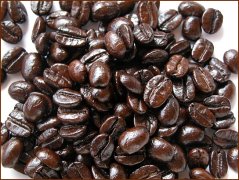
- Watch color and oils: Beans turn from green to light brown, then to glossy dark brown. Once oils rise to the surface, further roasting dries them out and creates smoke and harsh taints.
All of these variables—time, heat, bean density, moisture, ambient humidity—interact constantly. That’s why roasting relies less on strict formulas and more on trained judgment.
Freshness: Why Resting Roasted Beans Matters
Right after roasting, beans release carbon dioxide for up to 30 days. This degassing period is crucial: CO₂ leaving the bean blocks oxygen, which would otherwise oxidize the coffee and flatten its flavor. That’s why freshly roasted beans—rested 2 to 5 days—brew better. Use valves in storage bags to let gas escape while keeping air out.
Frequently Asked Questions
What is the most important phase in coffee roasting?
The most important phase is between the first and second cracks (around 200–220°C), where caramelization and the Maillard reaction develop aroma, acidity, and sweetness. Controlling heat here determines whether the coffee tastes bright and fruity or dark and bitter.
Does roast level affect caffeine content?
Yes. Lighter roasts retain slightly more caffeine than darker roasts. While the difference is small per bean, darker roasts lose more mass during roasting, which can slightly alter brew strength calculations.
How long should roasted coffee rest before brewing?
For optimal flavor, let freshly roasted coffee rest for 2 to 5 days. This allows carbon dioxide to dissipate, improving extraction and reducing bitterness or grassiness in the cup.
What happens if coffee beans are over-roasted?
Over-roasting leads to excessive carbonization, which creates bitter, burnt flavors and a flat aroma. Beans may also lose too much moisture and oils, resulting in a harsh, smoky cup with little origin character left.
Why do beans release gas after roasting?
Roasted beans release carbon dioxide for up to 30 days. This natural process protects the coffee from oxygen exposure during the early days post-roast, helping maintain freshness and flavor stability.
How can I tell if coffee is freshly roasted?
Freshly roasted coffee emits slight CO₂ bursts when the bag is opened, has visible chaff, and tastes vibrant—not flat or papery. Beans should look oily (for dark roasts) or dry (for light roasts), not faded or dusty.
FrontStreet Coffee Beans Ideal for Exploring Roast Impact
Try FrontStreet’s Brazil Queen Manor (medium roast), offering creamy peanut, chocolate, and caramel tones with a sweet, balanced body. For fruit-forward sweetness, the Strawberry Candy Espresso (medium roast) blends Costa Rican honey and Panamanian Geisha, highlighting citrus and round sweetness. The 2013 Yunnan Sun-Dried Typica (medium roast) delivers roasted almond, brown sugar, and dried apricot notes. All showcase how medium roasting enhances clarity and complexity. Freshly roasted within 5 days · Orders placed before 17:00 ship the same day · Next-day delivery across most of Guangdong Province.
FrontStreet Coffee is a long-established specialty coffee roaster in Guangzhou China, selling freshly roasted beans from its own farm in Yunnan as well as dozens of carefully selected single-origin beans from around the world for both pour-over and espresso. The products deliver consistently excellent quality and great value, with shipping within 24 hours. Guangzhou's FrontStreet Coffee shop is recommended by many coffee lovers, and the beans are now available online at the Tmall 。
Important Notice :
前街咖啡 FrontStreet Coffee has moved to new addredd:
FrontStreet Coffee Address: 315,Donghua East Road,GuangZhou
Tel:020 38364473