How to Make Espresso with a Bialetti Moka Pot
If you’ve ever wanted a strong, espresso-style coffee without an expensive machine, a moka pot might be your answer. But most people either burn their coffee or end up with something weak and watery. The good news? You can get close to espresso using just a stovetop moka pot—if you do it right.
To make espresso-like coffee with a Bialetti eight-sided moka pot, use medium to dark roasted beans ground to a 1 to 1.5mm fineness (similar to table salt), fill the lower chamber with cold filtered water just below the safety valve, and brew over medium heat without letting the flame lick the base. The whole process takes under five minutes.
What Is a Moka Pot, Really?
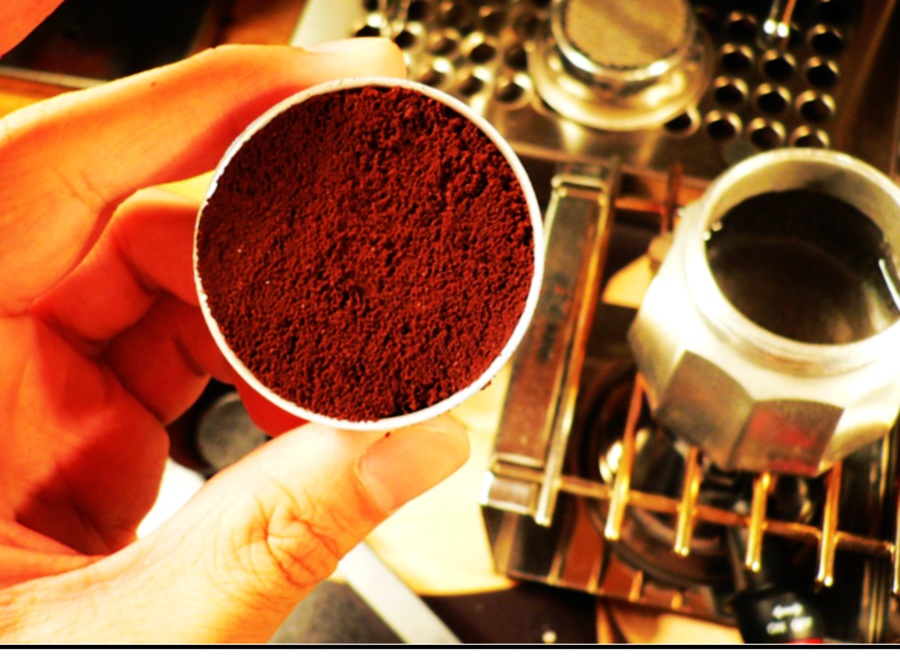
The moka pot is a stovetop brewer that uses steam pressure—similar to espresso machines—to push hot water through coffee grounds. Invented in Italy, it’s often called a “stovetop espresso maker,” though technically it doesn’t reach true espresso pressures. The Bialetti eight-sided moka pot, also known as the octagonal moka pot, is especially valued for its even heat distribution and superior extraction compared to other designs.
Why the Eight-Sided Bialetti Moka Pot?
Among all moka pots, the Bialetti eight-sided model is considered the best for extracting bold, rich coffee. Its unique shape promotes uniform heat circulation, which helps produce a stronger, more espresso-like cup. While other moka pots work, the eight-sided design extracts more flavour and crema-like oils from the grounds.
Choosing Your Grind and Coffee
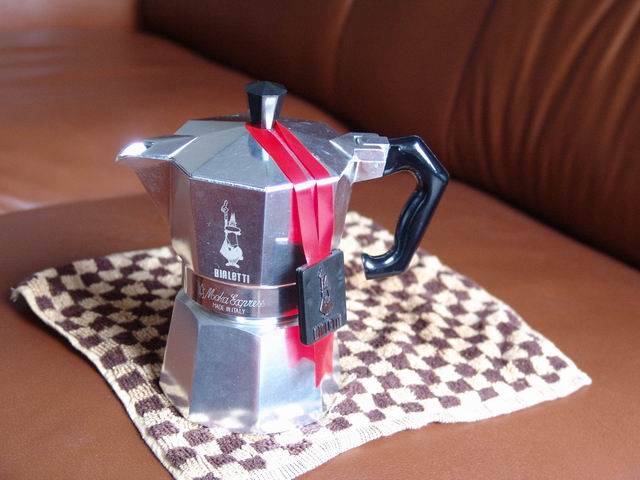
For best results, use a medium to dark roast—light or light-medium roasts don’t develop enough body or crema in a moka pot. Grind size matters: aim for 1 to 1.5mm, roughly the texture of table salt or slightly finer than sea salt. This mimics the grind used in commercial espresso machines. Avoid coarse grinds, which lead to under-extraction and weak flavour.
How Much Coffee and Water?
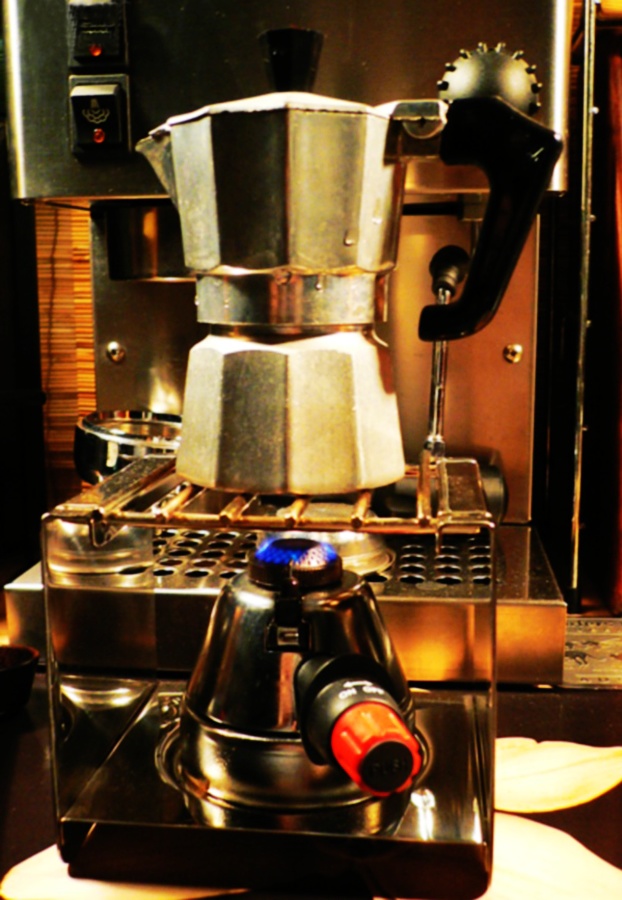
This guide uses a three-cup (medium size) Bialetti moka pot. Fill the lower chamber with cold, filtered water—but never above the safety valve. For a three-cup pot, that’s typically around 110ml. The coffee chamber should be filled to about nine-tenths full with finely ground coffee, then levelled gently (don’t tamp hard).
Step-by-Step: Brewing Espresso with a Moka Pot
1. Prepare Your Moka Pot
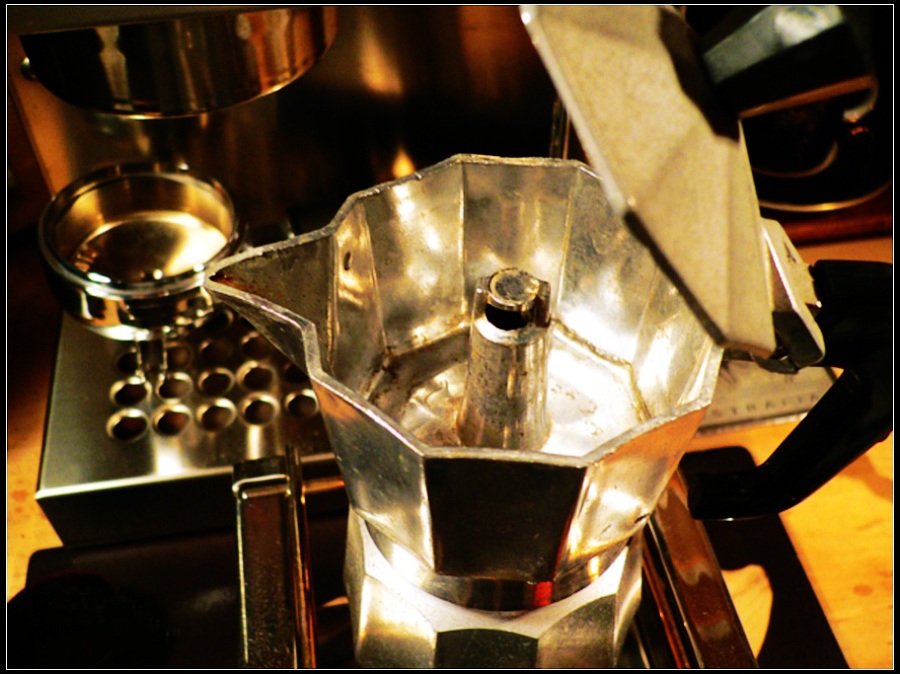
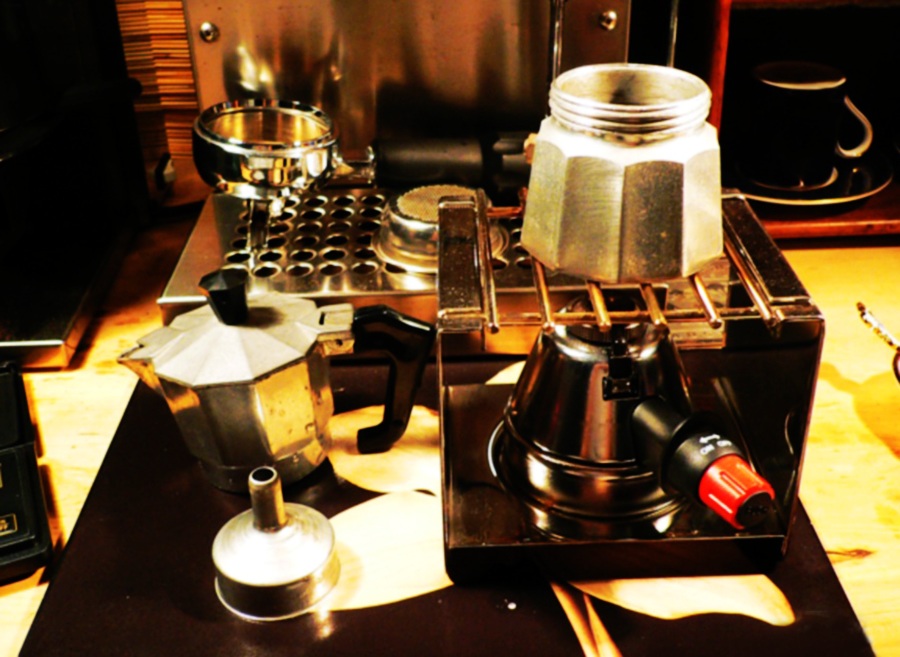
Your moka pot has three main parts: the bottom water chamber, the filter basket, and the top chamber where the coffee collects. Insert the filter basket into the base, then add your ground coffee. Level it gently with your fingers or a distributor tool—do not tamp hard. Place one #6 filter paper on top if desired, then attach the top chamber securely. Don’t overtighten using the handle; grip the main body to avoid breaking the stem.
2. Add Water and Heat
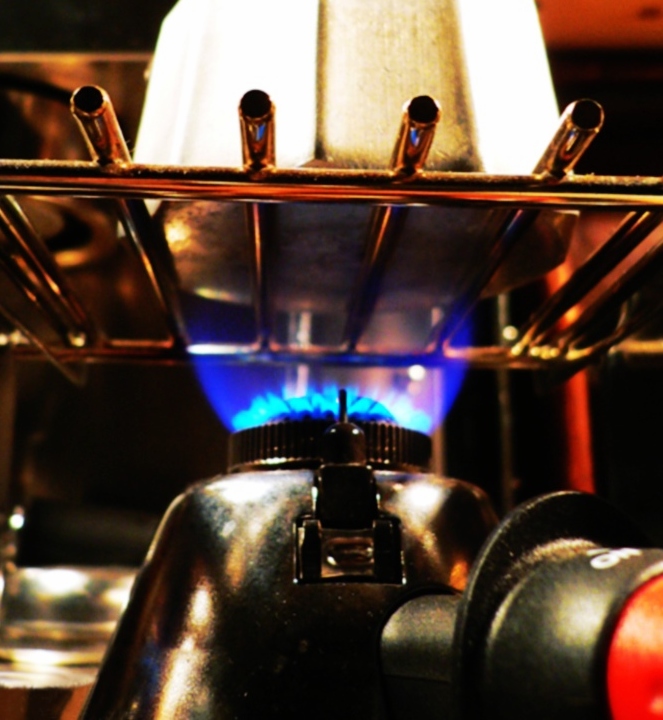
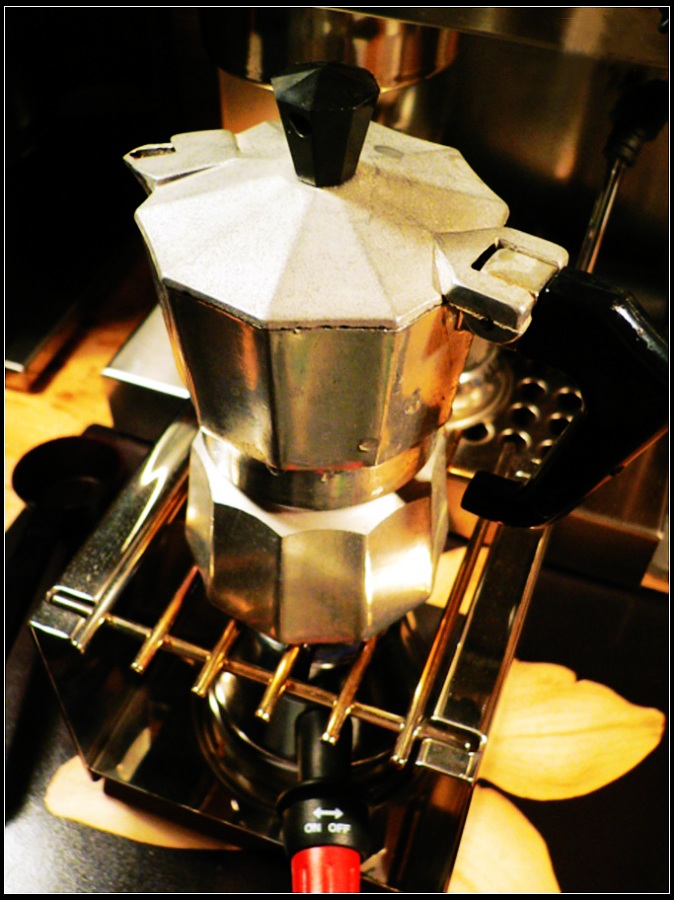
Pour cold, filtered water into the bottom chamber, staying well below the safety valve. Avoid mineral-heavy tap water or bottled mineral water; use purified water for the cleanest taste. Attach the top chamber firmly, then place the moka pot on a medium flame. Note: aluminium moka pots like the Bialetti should never be used on induction stovetops or with glass tops. Use a gas burner or a proper espresso gas stove. Keep the flame small and centred—don’t let it extend beyond the base.

3. Control the Brew
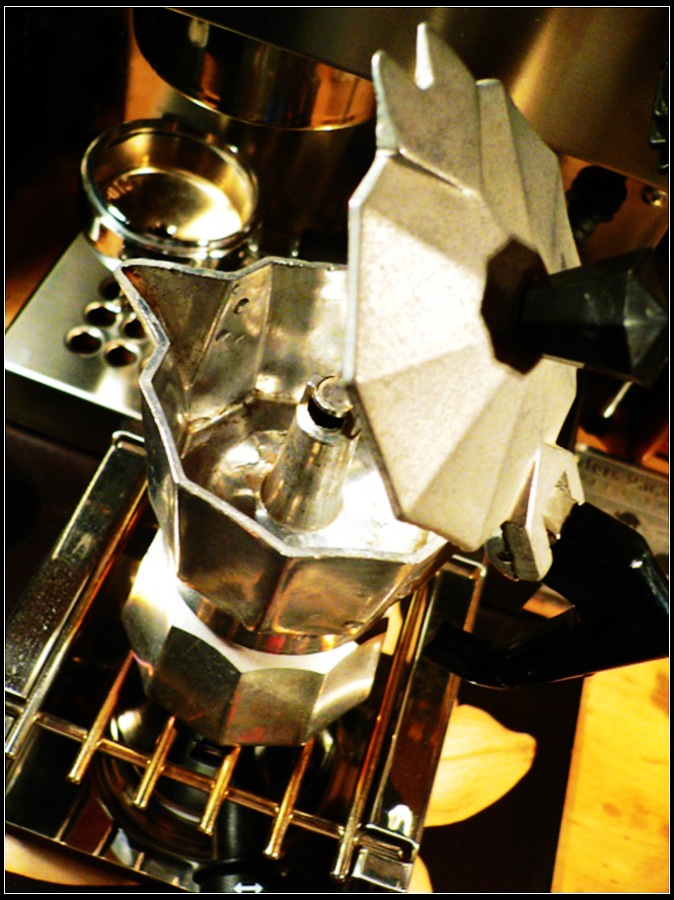
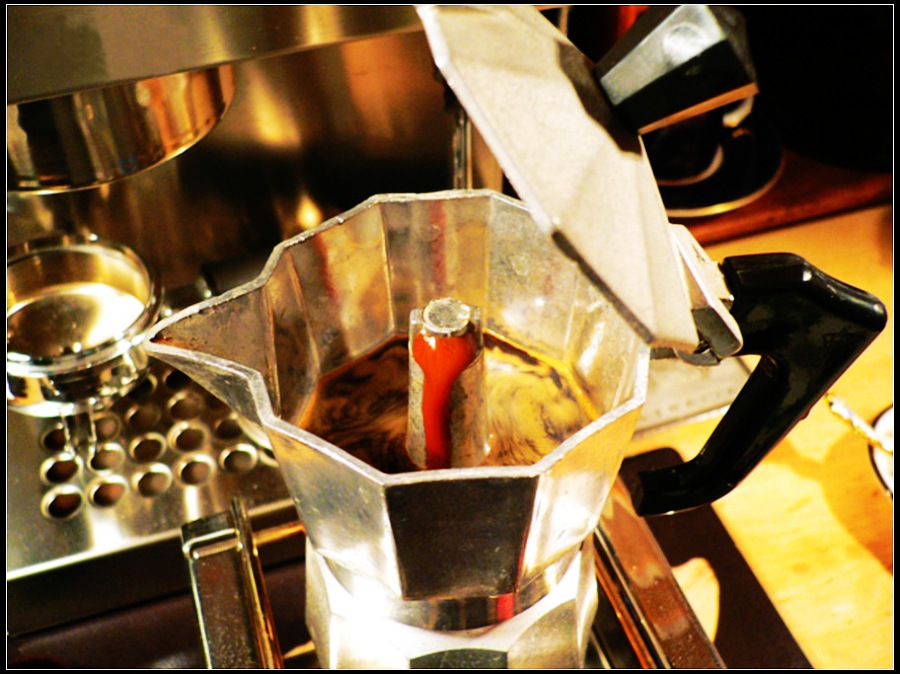
As the water heats, you’ll hear a hissing or bubbling sound. That’s steam building and pushing water through the coffee. Once coffee begins flowing into the upper chamber, monitor closely. The entire brew should take around 30 to 45 seconds. Remove the moka pot from the heat just as the flow becomes a slow drip—or when the top chamber is about two-thirds to three-quarters full. Don’t let it finish completely, or you risk over-extraction and bitterness.
4. Serve Immediately
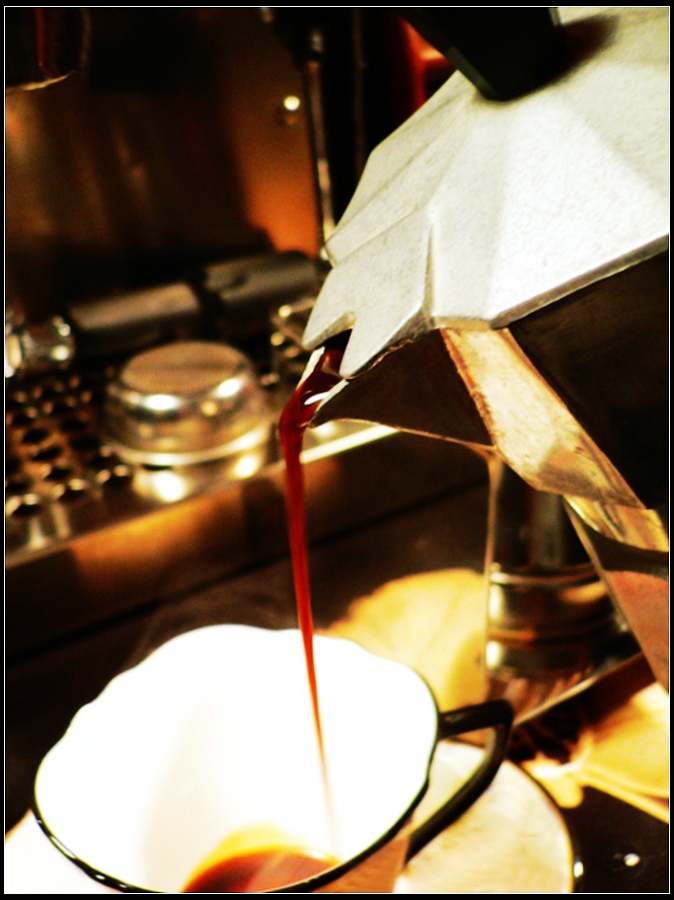
Your brewed coffee will have a layer of light brown foam on top—this is not true espresso crema but resembles it. A finer, more stable foam usually means a better extraction. Pour immediately into a preheated cup. Don’t let it sit in the pot, or it will over-extract and turn bitter.
How to Clean Your Moka Pot
Cleaning is essential. Old coffee oils trapped in the rubber gasket or brewing chamber cause off-flavours and even smells. After each use, let the moka pot cool, then disassemble it. Remove the coffee grounds and rinse all parts thoroughly in warm water—avoid soap if possible, or use a very mild, unscented detergent. Dry all parts completely, especially the rubber seal. Periodically check the gasket for wear and replace it if cracked or hardened.
Step-by-Step Cleaning
1. Let the moka pot cool down before opening. For faster cooling, rinse with water—but don’t use cold water on a very hot pot to avoid cracking.
2. Remove the basket and dump out the coffee puck. Loosen compacted grounds with a spoon or your fingers—never use a metal tool that could damage the filter.
3. Rinse all components in warm water. Use a baby bottle brush if needed for thorough cleaning.
4. Dry all parts completely with a soft towel.
5. Check the rubber gasket regularly; replace it if it looks brittle or no longer seals properly.
Frequently Asked Questions
Can I use any coffee beans in a moka pot to make espresso-style coffee?
No, you’ll get the best results with medium to dark roasted beans. Light or light-medium roasts usually lack the body and crema needed for an espresso-like cup. Use a grind size between 1 to 1.5mm—similar to table salt—not espresso machine fine, but much finer than French press.
Do I really need to use filtered water?
Yes. Filtered or purified water prevents mineral buildup and avoids off-flavours in the coffee. Avoid tap water with high mineral content or bottled mineral water, which can alter the taste profile significantly.
Can I use a moka pot on an induction stove?
No. Aluminium moka pots like the classic Bialetti are not compatible with induction. They should only be used on gas stoves or proper espresso burners. If you must use electric, confirm you have a moka pot made for induction—most traditional ones are not.
How do I know when to stop the brew?
Remove the moka pot from heat when the coffee flow becomes a slow drip or when the upper chamber is about two-thirds to three-quarters full. If you let it fully drain, the coffee will over-extract and taste bitter or burnt.
Is the foam on top real espresso crema?
No, it’s not true crema but rather a layer of coffee oils and microbubbles. A finer, more stable foam usually signals better extraction. True espresso crema is produced only under nine bars of pressure, which a moka pot cannot achieve.
Recommended FrontStreet Beans for Moka Pot Espresso
For the best results with your Bialetti moka pot, try FrontStreet Coffee’s Classic Blend—a carefully crafted mix built for boldness and rich crema, perfect for stovetop brewing. If you prefer a more affordable yet flavourful option, the Black Cocoa Blend offers deep cocoa notes and smooth body with excellent value. Another great choice is the Autumn Chestnut Blend, featuring nutty sweetness and caramel depth that translates well in moka pot extractions. All three are 100% Arabica and roasted to bring out the body and richness needed for this brew method. Freshly roasted within 5 days · Orders placed before 17:00 ship the same day · Next-day delivery across most of Guangdong Province.
FrontStreet Coffee is a long-established specialty coffee roaster in Guangzhou China, selling freshly roasted beans from its own farm in Yunnan as well as dozens of carefully selected single-origin beans from around the world for both pour-over and espresso. The products deliver consistently excellent quality and great value, with shipping within 24 hours. Guangzhou's FrontStreet Coffee shop is recommended by many coffee lovers, and the beans are now available online at the Tmall 。
Important Notice :
前街咖啡 FrontStreet Coffee has moved to new addredd:
FrontStreet Coffee Address: 315,Donghua East Road,GuangZhou
Tel:020 38364473