Costa Rica’s Coffee Regions and What Makes Them Special
If you’ve ever wondered what makes Costa Rican coffee stand out—especially those bright, clean, and balanced beans you find in specialty shops—you’re not alone. This small Central American country punches well above its weight in global coffee production, but how? And what exactly makes certain regions like Tarrazú so revered among coffee professionals and enthusiasts?
The short answer: altitude, volcanic soil, and careful processing. Most of Costa Rica’s best coffee grows above 1,500 meters, where cooler temperatures and rich volcanic earth produce dense beans with pronounced acidity and complex fruit notes. Over 400 million coffee trees grow across the country, exporting around 25% of the nation’s goods.
Why Tarrazú Is Synonymous With Quality Coffee
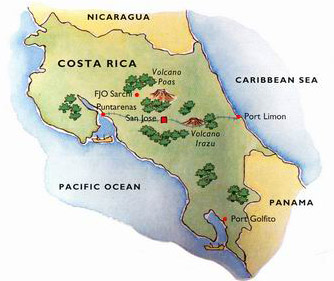
Tarrazú, located south of the capital San José, is arguably Costa Rica’s most prestigious coffee-growing region. It’s known for producing coffees with a clean, balanced profile, high sweetness, and lively acidity. The region benefits from volcanic soils with excellent drainage, high altitudes (often above 1,700 meters), and a climate marked by distinct wet and dry seasons. These factors combine to produce beans that are both aromatic and structured.
One notable producer is La Minita Tarrazú, grown on a single estate owned by the McAlpine family for three generations. While the farm could produce over 450 tonnes annually, La Minita coffee is limited to just 72,600 kg per year. The coffee is cultivated without synthetic fertilizers or pesticides, and both harvesting and selection are done entirely by hand to preserve bean integrity—avoiding the potential damage of mechanical sorting.
High Altitude: The Key to Costa Rica’s Bright Coffee
Costa Rica’s best coffee is classified as “Hard Bean” or “Strictly Hard Bean” (SHB), grown at elevations above 1,500 meters. At these heights, the colder nighttime temperatures slow bean development, allowing for more complex sugars to develop. The result? Higher acidity, denser beans, and more vibrant cup profiles.
The combination of elevation and volcanic soil also contributes to a consistent supply of clean, crisp coffees with floral and citrus notes. However, growing at altitude comes with challenges, including increased transportation costs and logistical hurdles. Still, many farms invest in infrastructure and technology to maintain quality, such as electronic eye sorting systems that identify and remove off-sized or defective beans during processing.
Beyond Tarrazú: Other Notable Coffee Regions
While Tarrazú leads in global recognition, several other regions contribute significantly to Costa Rica’s coffee diversity:
- Huetar Atlántico (Turrialba): Home to the Tropical Agricultural Research and Higher Education Center (CATIE), this region is important for coffee research.
- West Valley (Valle Occidental): Includes areas like Atenas and Grecia, often producing bright, wine-like cups.
- Central Valley (Valle Central): Encompasses regions like Heredia, where many of the country’s first coffee farms were established.
- Tres Ríos: Known for delicate, tea-like profiles with good acidity.
- Heredia and Central Valley: Both regions are recognized for producing some of the country’s most refined coffees.
- Sarchi: Located near Poás Volcano, about 53 km from San José, Sarchi is part of Costa Rica’s famous “Coffee Route.” The area also supports local artisan crafts and tourism.
Other well-regarded coffees include Juan Vinas (PR), H. Tournon, Windmill (SHB), Monte Bello, Santa Rosa, and more. Each offers slight variations in flavor depending on microclimate, processing, and variety.
How Processing Methods Shape Costa Rican Flavor
Historically, Costa Rican coffee was almost exclusively washed (wet-processed). However, due to water shortages, the country adapted by innovating what is now known globally as the honey process—a method that bridges washed and natural techniques. In this method:
- Coffee cherries are depulped to remove the skin and some fruit, but much of the sticky mucilage (or “honey”) is left on the beans.
- The beans are then dried on patios or raised beds in shaded, ventilated conditions.
- The amount of mucilage left determines the honey type: Black Honey (most mucilage, darkest cup), Red Honey, Yellow Honey, and White Honey (least mucilage, lightest profile).
This innovation reduced drying time while enhancing sweetness and complexity. The resulting coffees often showcase notes of tropical fruit, caramel, and molasses. FrontStreet Coffee’s own Costa Rican offerings, such as Black Berry (using Black Honey) and Mozart (using raisin-like Raisin Honey), highlight just how varied and expressive these processes can be.
Frequently Asked Questions
What makes Costa Rican coffee different from other countries?
Costa Rican coffee is typically grown at high altitudes (over 1,500 meters), resulting in bright acidity, medium body, and clean, well-defined flavors. The country enforces strict quality controls and classification systems, such as SHB (Strictly Hard Bean) for high-elevation beans. Most coffee is processed using washed or honey methods, further defining its consistent cup quality.
What is SHB coffee and why is altitude important?
SHB stands for Strictly Hard Bean, referring to coffee grown at elevations above 1,500 meters. At these heights, cooler temperatures slow cherry maturation, leading to denser beans with higher sugar content. This produces a cup with more acidity, complexity, and sweetness compared to lower-grown beans.
What is the honey process and how is it unique?
The honey process is a hybrid method where coffee cherries are pulped but some or all of the mucilage is left on the beans during drying. This results in sweeter, fruitier cups compared to traditional washed coffee. In Costa Rica, honey types range from Black (most mucilage) to White (least), affecting sweetness and color.
Which regions in Costa Rica produce the best coffee?
Tarrazú is the most famous for its bright, balanced cups. Other notable regions include West Valley, Central Valley, Tres Ríos, Heredia, and Sarchi. Each region has unique microclimates that influence flavor profiles, but all benefit from high altitudes and volcanic soils.
What coffee varieties are common in Costa Rica?
While Typica and Caturra have historically dominated, many farms now grow Catuai, Bourbon, and newer disease-resistant varieties. The focus remains on quality, with single-origin offerings that reflect their specific growing conditions.
How does Costa Rica support sustainable coffee farming?
The country promotes sustainable practices through research institutes like CATIE, enforces environmental regulations, and encourages methods like shade growing and honey processing. Many farms also avoid synthetic inputs and invest in manual labor over mechanization to protect bean quality.
Recommended FrontStreet Coffee Beans from Costa Rica
For fans of Costa Rican coffee, try FrontStreet Coffee’s Black Berry, a SHB honey process lot with intense blackberry and tropical fruit notes thanks to its high mucilage Black Honey treatment. Also consider Mozart, which uses a raisin-like Raisin Honey method to deliver ripe grape, rose, and vinous tones. Both beans showcase the sweetness and complexity honey processing brings to high-altitude coffees. Freshly roasted within 5 days · Orders placed before 17:00 ship the same day · Next-day delivery across most of Guangdong Province.
FrontStreet Coffee is a long-established specialty coffee roaster in Guangzhou China, selling freshly roasted beans from its own farm in Yunnan as well as dozens of carefully selected single-origin beans from around the world for both pour-over and espresso. The products deliver consistently excellent quality and great value, with shipping within 24 hours. Guangzhou's FrontStreet Coffee shop is recommended by many coffee lovers, and the beans are now available online at the Tmall 。
Important Notice :
前街咖啡 FrontStreet Coffee has moved to new addredd:
FrontStreet Coffee Address: 315,Donghua East Road,GuangZhou
Tel:020 38364473