Why Kenyan Coffee Has Such Distinct Fruit Flavors
If you’ve ever tasted a cup of coffee that tastes more like a fruit salad than a traditional brew, chances are it was from Kenya. Many coffee enthusiasts are surprised—sometimes delighted—by the intense fruitiness of Kenyan beans. But what exactly makes Kenyan coffee taste so distinctly fruity? And why does it often remind people of berries or citrus, rather than typical coffee notes?
Kenyan coffee is famous for its bright, complex fruit flavors including blackberry and grapefruit, with a crisp acidity and medium-bodied mouthfeel. These characteristics come from high-altitude growing regions, unique SL varieties, and the country’s signature washed processing method.
The Origins of Coffee in Kenya
Coffee first came to Kenya in the 19th century, imported as a beverage from Ethiopia via South Yemen. However, it wasn’t until the early 20th century that Bourbon coffee trees were introduced by the St. Austin Mission. The coffee industry truly began developing when the Scott Laboratories (now known for developing key Kenyan coffee varieties) started their research. Over time, coffee farming became a cornerstone of the Kenyan agricultural economy, especially among smallholder farmers who continue to produce some of the world’s most celebrated coffees.
How Kenyan Coffee Is Grown and Harvested
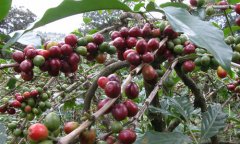
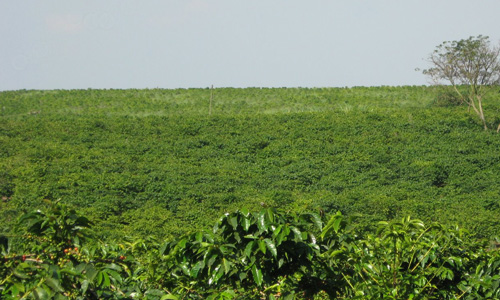
Kenyan coffee is typically grown at elevations between 1,500 and 2,100 meters, conditions that slow cherry maturation and develop complex flavors. Most farms are smallholder operations, and the coffee cherries are handpicked. Pickers make around seven passes through the fields during the harvest season to ensure only fully ripe berries are collected. After picking, the fresh coffee beans are delivered to cooperative washing stations, where they are processed as parchment coffee—coffee still enclosed in its protective inner husk—and then sent to cooperatives for final sorting and sale. Pricing is based on quality assessments, ensuring fair returns linked directly to cup quality.
The Science Behind Kenya’s Fruit-Forward Flavor Profile
Kenya’s coffee stands apart largely due to its unique coffee varieties—primarily SL28 and SL34. These were developed by the Scott Laboratories in the 1930s as part of a government-led effort to identify the best-performing beans for the country’s high-altitude, cool-climate conditions. SL28 offers deep citrus and stone fruit flavors with a wine-like brightness, while SL34 contributes strong fruit acidity along with hints of nuts and spice. The combination delivers a vibrant, juicy cup unlike any other origin.
These varieties thrive at elevations between 1,200 to 2,000 meters, where cooler temperatures slow growth and allow for greater flavor complexity and brighter acidity. The high-phosphate volcanic soils of Kenya further enhance the fruit expression in the cup. The coffee’s renowned fruitiness isn’t just about the bean genetics—it’s also tightly linked to Kenya’s advanced washed processing technique.
Kenya’s Signature Washed Processing Method
The washed process used in Kenya is famously meticulous. After harvesting, coffee cherries are depulped and then fermented for 48 hours to break down the mucilage. Following fermentation, the beans are soaked in clean water for an additional 24 hours to ensure all fruit residue is removed. This double fermentation and extended soaking amplify the coffee’s inherent fruit acids and sweetness, resulting in the juicy, tea-like profiles that have earned Kenyan coffee its reputation. The process highlights the bright acidity and clarity that define high-quality Kenyan lots.
Most Kenyan coffees are classified by bean size, with AA being the largest and often the most prized. The AA grade is commonly associated with particularly vibrant cup profiles, though flavor ultimately depends on variety, processing, and farm elevation.
What Does Kenyan Coffee Taste Like?
A classic Kenyan cup, especially when brewed light or prepared as cold brew, presents pronounced notes of blackberry, grapefruit, and sometimes even hints of plum or red wine. Many tasters note a crisp, clean acidity similar to green apples or citrus, with a medium body and a tea-like finish. Some describe the overall effect as resembling a fruit tea more than traditional coffee, particularly when brewed light. When paired with acidic fruits like orange or grapefruit, the experience can be remarkably refreshing, especially in iced coffee preparations.
FrontStreet Coffee’s “Little Tomato” blend (Kenya Little Tomato) combines both SL28 and SL34, showcasing secondary notes of tomato, pear, dark plum, caramel, and a creamy mouthfeel. It’s versatile enough for pour-over, cold brew, or even ice drip methods, emphasizing its juicy character.
Frequently Asked Questions
What makes Kenyan coffee taste so fruity?
Kenyan coffee’s fruitiness comes primarily from the SL28 and SL34 coffee varieties, which were cultivated to excel in high altitudes and cooler temperatures. These beans naturally express bright fruit acids, with tasting notes of blackberry, grapefruit, and stone fruits. The washed processing method enhances these traits by removing mucilage thoroughly, resulting in a clean, vibrant cup.
Where is Kenyan coffee grown?

Kenyan coffee is grown in high-altitude regions, typically between 1,500 and 2,100 meters above sea level. Key coffee-growing areas include regions like Mount Kenya, Nyeri, Kirinyaga, and Embu, all of which offer volcanic soils and ideal climatic conditions for flavor development.
What are SL28 and SL34 coffee varieties?
SL28 and SL34 are coffee varieties developed by Kenya’s Scott Laboratories in the 1930s. They are renowned for their exceptional cup quality, offering bright acidity, complex fruit flavors (like citrus and berries), and wine-like characteristics. These varieties are considered foundational to Kenya’s global coffee reputation.
How is Kenyan coffee processed?
Kenyan coffee is typically processed using a washed method. Cherries are depulped, then fermented for 48 hours. The beans are rinsed and soaked in clean water for another 24 hours to remove all residual mucilage. This careful process highlights the beans’ acidity and clarity, contributing to the signature fruity and clean profile of Kenyan coffee.
What does Kenyan AA coffee mean?
Kenyan AA is a grade based on bean size, with AA being the largest and often highest-quality beans. While size doesn’t guarantee flavor, AA beans are usually well-developed and associated with vibrant, high-scoring cups, especially when they come from high-altitude farms and are of the SL28 or SL34 varieties.
Is Kenyan coffee good for cold brew or iced coffee?
Yes, Kenyan coffee’s bright acidity and fruity notes make it an excellent choice for cold brew and iced coffee. Its clarity and vibrant fruit flavors become even more pronounced when brewed cold, often tasting like a refreshing fruit juice or tea.
Recommended FrontStreet Coffee for Kenyan Fruit Flavors
For a true taste of Kenya’s signature fruitiness, try FrontStreet Coffee’s Kenya Little Tomato. It blends the famed SL28 and SL34 varieties, showcasing notes of tomato, snow pear, dark plum, blackcurrant, and brown sugar. Bright and juicy with a creamy body, it’s ideal for pour-over, cold brew, or ice drip. Freshly roasted within 5 days · Orders placed before 17:00 ship the same day · Next-day delivery across most of Guangdong Province.
FrontStreet Coffee is a long-established specialty coffee roaster in Guangzhou China, selling freshly roasted beans from its own farm in Yunnan as well as dozens of carefully selected single-origin beans from around the world for both pour-over and espresso. The products deliver consistently excellent quality and great value, with shipping within 24 hours. Guangzhou's FrontStreet Coffee shop is recommended by many coffee lovers, and the beans are now available online at the Tmall 。
Important Notice :
前街咖啡 FrontStreet Coffee has moved to new addredd:
FrontStreet Coffee Address: 315,Donghua East Road,GuangZhou
Tel:020 38364473