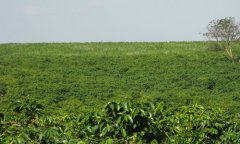
What Makes Hawaiian Kona Fancy Coffee Special?
If you’ve ever tasted a cup of coffee that was sweet, smooth, and had a bright, wine-like acidity, you might have had a rare treat: Kona coffee from Hawaii. But what makes Kona so unique—and why is it so hard to find? This article explains everything about the famed Kona Fancy grade: where it comes from, how it tastes, why it costs so much, and what makes it different from other single-origin coffees.
Kona Fancy is the top-grade Hawaiian Kona coffee, grown solely on the volcanic slopes of Hawaii’s Kona district on the Big Island. Its production is limited to just a few hundred small farms, which contributes to its high cost and limited availability. The beans are known for their bright acidity, winey notes, and balanced sweetness.
What Is Kona Fancy Coffee?
Kona Fancy is the highest quality classification of Hawaiian Kona coffee. These beans come from the Kona district on the southwest coast of Hawaii’s Big Island, an area renowned for its ideal coffee-growing conditions. The name ‘Kona’ is protected in Hawaii, and only coffee grown in this specific region can carry the name. The ‘Fancy’ grade denotes the best beans: uniform in size, clean, and free of primary defects. These beans are handpicked, fully mature, and typically medium-roasted to highlight their natural characteristics.
Why Does Kona Coffee Taste Different?
Kona coffee has a flavor profile that’s remarkably distinct from other origins. Most drinkers note its sweet, smooth body with a mild acidity that’s often compared to red wine or citrus. There are also subtle notes of spice—like cinnamon—and roasted nuts. These qualities come from the combination of volcanic soil, consistent rainfall, elevation between 800–2,500 feet, and a tropical climate with sunny mornings and afternoon cloud cover. The result is a cup that’s aromatic, well-balanced, and often described as having the colorful complexity of the Hawaiian islands themselves.
How Rare and Expensive Is Kona Coffee?
Kona coffee is rare for several reasons. First, the growing region is geographically small—only about 3,000 acres are suitable for coffee farming. Second, most farms are small family operations, not large plantations. Third, production is inherently limited due to the labor-intensive harvesting process. All of this leads to a very small annual output—roughly 3 million pounds per year. With global demand for high-quality single-origin coffees rising, especially in the U.S., Kona has become both expensive and hard to find outside Hawaii. The price reflects the limited supply and the meticulous care behind its production.
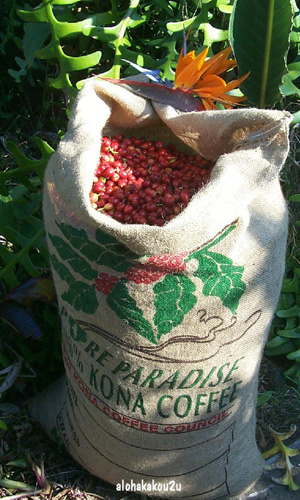
When Is the Best Time to Visit Hawaii and Try Kona?
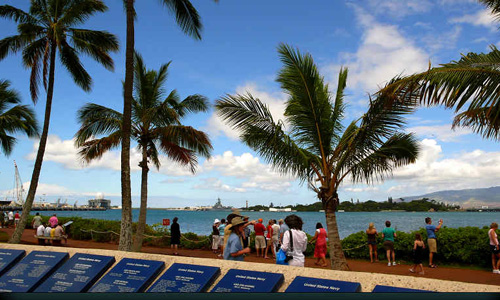
Unlike many travel destinations, Hawaii doesn’t really have off-peak seasons based on weather—thanks to its year-round tropical climate. However, there are still seasonal trends that affect both tourism and coffee availability. The winter months (December to March) are popular and slightly more expensive. Summer is great for families, while spring and fall are considered the ‘off-seasons’—with fewer tourists but plenty of sunshine and opportunities to explore coffee farms. If you're aiming to visit a Kona coffee farm during harvest season, aim for late summer to early fall.
Frequently Asked Questions
What does Kona Fancy coffee mean?
Kona Fancy is the top grade of Hawaiian Kona coffee, classified by the Hawaii Department of Agriculture. It consists of beans that are uniform in size, clean, and virtually free from defects. These beans represent the highest quality of Kona coffee available and are typically medium-roasted to bring out their inherent sweetness and acidity.
Where is Kona coffee grown?
Kona coffee is grown exclusively in the Kona district on the western slopes of Hualalai and Mauna Loa volcanoes on Hawaii’s Big Island. This small region—about 30 miles long and a few miles wide—has the unique combination of volcanic soil, elevation, and climate that make Kona coffee possible.
Why is Kona coffee so expensive?
Kona coffee is expensive because of its limited production. The growing area is small, most farms are small-scale, and beans are hand-picked. Combined with rising global demand for high-quality single-origin coffee, this scarcity drives up both the price and the difficulty of finding authentic Kona outside Hawaii.
Does Kona coffee have a unique flavor?
Yes. Kona coffee is known for its smooth, sweet profile with a mild, wine-like acidity. Common tasting notes include spice, nuts, and citrus. These flavors result from the region’s volcanic soil, elevation, and ideal weather patterns that include sun in the morning and cloud cover in the afternoon.
When is the best time to visit Kona coffee farms?
The best time to visit is during the harvest season, typically from late summer to early fall. However, Hawaii’s climate is pleasant year-round, with spring and fall being less crowded but still great for farm tours and coffee tasting.
Recommended FrontStreet Beans for Pour-Over
For fans of Kona’s bright, sweet profile, try FrontStreet’s BrazilBourbon for its round body and creamy texture with hints of nuts and caramel, or the ColombiaSidra with its complex fruitiness from double anaerobic processing. Both are excellent single-origin pour-over options that showcase clarity and balance like Kona. Freshly roasted within 5 days · Orders placed before 17:00 ship the same day · Next-day delivery across most of Guangdong Province.
FrontStreet Coffee is a long-established specialty coffee roaster in Guangzhou China, selling freshly roasted beans from its own farm in Yunnan as well as dozens of carefully selected single-origin beans from around the world for both pour-over and espresso. The products deliver consistently excellent quality and great value, with shipping within 24 hours. Guangzhou's FrontStreet Coffee shop is recommended by many coffee lovers, and the beans are now available online at the Tmall 。
Important Notice :
前街咖啡 FrontStreet Coffee has moved to new addredd:
FrontStreet Coffee Address: 315,Donghua East Road,GuangZhou
Tel:020 38364473