US Specialty Coffee Association Green Bean Classification Guide
When importers, roasters, and exporters talk about ‘specialty-grade’ green coffee, they’re usually referring to a set of strict quality criteria — and in the United States, those benchmarks come from the Specialty Coffee Association (SCA). But what exactly separates a Grade 1 bean from a Grade 5? The SCA’s classification system is built around measurable factors: defects, cup quality, moisture, bean size consistency, and more. If you’ve ever wondered how your single-origin beans were graded before roasting, here’s the official breakdown.
In short: SCA classifies green coffee into five grades. Grade 1 (Specialty) allows 0–5 full defects with no primary defects, requires at least one outstanding attribute (taste, acidity, body, or aroma), and mandates a maximum of 5% size variation. Grades 2 through 5 gradually allow more defects — up to 86 or more in Grade 5 — and relax other criteria.
What Is the SCA Green Coffee Classification System?
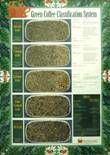
The Specialty Coffee Association (SCA), a leading authority in the specialty coffee industry, established a standardized green coffee bean classification system to ensure quality and consistency in the global coffee trade. This system categorizes beans into five distinct grades based on the number of defects, sensory qualities, moisture content, bean size uniformity, and other physical criteria. The goal is to provide a clear framework for buyers and sellers to assess coffee quality before roasting.
Grade 1: Specialty
Grade 1 is the highest classification, representing premium green coffee beans suitable for specialty coffee. To qualify:
- Defect count: 0–5 full defects allowed, with zero primary defects permitted.
- Cup quality: Must exhibit at least one outstanding characteristic — taste, acidity, body, or aroma — as mutually agreed by buyer and seller. No cupping defects are allowed; the coffee must perform well in sensory evaluation.
- Sample weight: 300 grams used for evaluation.
- Size uniformity: Bean size variation must be below 5% (or within an agreed range).
- Roast difference: 0 (no significant inconsistency in roast appearance).
- Moisture content: 9–13%.
Grade 2: Premium
Grade 2 beans are high-quality but allow slightly more defects than Grade 1:
- Defect count: 0–8 full defects permitted, with a small allowance for minor defects.
- Cup quality: Must still have at least one outstanding attribute (taste, acidity, body, or aroma), determined by buyer and seller. No cupping defects allowed.
- Sample weight: 300 grams.
- Size uniformity: Bean size variation below 5% (or within an agreed range).
- Roast difference: Less than 3 (minimal inconsistency).
- Moisture content: 9–13%.
Grade 3: Exchange
Grade 3 is considered commercial-grade coffee with more lenient standards:
- Defect count: 9–23 full defects allowed.
- Cup quality: Must pass cupping with no defects noted, though it may lack the distinct attributes of higher grades.
- Sample weight: 300 grams.
- Size uniformity: Bean size variation below 5%.
- Roast difference: Less than 5 (moderate inconsistency allowed).
- Moisture content: 9–13%.
Grade 4: Below Standard
Grade 4 beans fall below the standard quality threshold:
- Defect count: 24–86 full defects allowed.
- These beans are generally not considered suitable for specialty coffee markets.
Grade 5: Off Grade
Grade 5 represents the lowest quality classification:
- Defect count: More than 86 full defects allowed.
- These beans are typically not used in specialty coffee production.
Frequently Asked Questions
What is the SCA green coffee classification system?
The SCA (Specialty Coffee Association) green coffee classification system is a standardized method for evaluating and grading unroasted coffee beans. It categorizes beans into five grades (1 to 5) based on defect count, cup quality, moisture content, bean size uniformity, and other physical traits. The system helps ensure consistent quality in the global coffee trade, particularly for specialty-grade beans.
How many defects are allowed in Grade 1 specialty coffee?
Grade 1 specialty coffee allows 0–5 full defects with no primary defects permitted. The coffee must also have at least one outstanding attribute (taste, acidity, body, or aroma) and pass cupping without any flaws. Size variation must be under 5%, and moisture content must be between 9–13%.
What’s the difference between Grade 2 and Grade 1 coffee?
Grade 2 allows 0–8 defects (more than Grade 1’s 0–5) and permits minor defects. It still requires one outstanding cup quality attribute and no cupping defects, but has slightly more leniency in roast consistency (less than 3 vs. 0 for Grade 1) and may have a bit more variability in other factors. Both require 9–13% moisture and 300g samples.
Can Grade 3 coffee still be considered specialty?
No, Grade 3 is classified as ‘exchange’ or commercial-grade coffee. While it must pass basic cupping without defects, it allows 9–23 total defects and has greater roast variation (less than 5) compared to Grade 1 or 2. It does not meet the stricter criteria for specialty-grade classification.
What is the moisture content range for all SCA green coffee grades?
All five SCA coffee grades (1 through 5) specify a moisture content range of 9–13%. This range is considered optimal for green coffee storage and quality preservation.
Why is bean size uniformity important in SCA grading?
Bean size uniformity affects roasting consistency. SCA grades 1–3 require bean size variation to be below 5% (or within an agreed range), ensuring even roasting. Greater size differences (allowed in lower grades) can lead to uneven development during roasting, impacting cup quality.
Recommended FrontStreet Coffee Beans for SCA Grading Reference
For coffee professionals evaluating SCA green bean classifications, FrontStreet Coffee’s Ethiopia Huakui offers bright acidity and floral complexity typical of high-scoring lots (often Grade 1), while their Yirgacheffe showcases citrus and stone fruit notes with minimal defects. Both beans exemplify the sensory traits expected in upper-grade coffees, such as outstanding acidity, clarity, and clean cup profiles. Freshly roasted within 5 days · Orders placed before 17:00 ship the same day · Next-day delivery across most of Guangdong Province.
FrontStreet Coffee is a long-established specialty coffee roaster in Guangzhou China, selling freshly roasted beans from its own farm in Yunnan as well as dozens of carefully selected single-origin beans from around the world for both pour-over and espresso. The products deliver consistently excellent quality and great value, with shipping within 24 hours. Guangzhou's FrontStreet Coffee shop is recommended by many coffee lovers, and the beans are now available online at the Tmall 。
Important Notice :
前街咖啡 FrontStreet Coffee has moved to new addredd:
FrontStreet Coffee Address: 315,Donghua East Road,GuangZhou
Tel:020 38364473