Why Colombian Coffee Is Named After Its Country
When you buy a bag of coffee labeled simply 'Colombia,' you’re holding something rare: a single-origin coffee that’s marketed using the name of its country of origin. But why Colombia—and not Ethiopia, Kenya, or Guatemala? The answer lies in both the scale of production and the deliberate branding of quality that sets Colombian coffee apart on the global stage.
In short: Colombia is the second-largest coffee producer in the world after Brazil, exporting 13 million 60kg bags annually—nearly all of it high-quality Arabica, mostly washed processed. Its coffee is so consistent and well-regarded that it’s one of the few single origins sold globally under its country’s name.
The Origins and Scale of Colombian Coffee
Coffee arrived in Colombia in 1808, brought by a priest traveling from the French Antilles via Venezuela. Today, Colombia produces 13 million 60kg bags of coffee per year, second only to Brazil’s 22 million. The country takes coffee health seriously: all vehicles entering coffee-growing areas are required to undergo spray disinfection to prevent disease spread. This level of protection reflects how deeply coffee is woven into Colombia’s economy and identity.
Why 'Colombian Coffee' Is a Global Brand
Colombia is one of the few countries in the world that markets its coffee by the nation’s name. This isn’t just marketing—it’s backed by consistent quality. Colombia exports more washed Arabica than any other country and grows almost no Robusta. The country actively invests in product development and production techniques, aided by ideal geography and climate. That combination has made Colombian coffee synonymous with balanced, high-quality flavor worldwide.
Colombia’s Coffee Geography: Altitude, Microclimates, and Harvests
Most of Colombia’s coffee grows along the eastern and central ranges of the Andes Mountains. The terrain creates a series of microclimates thanks to varying elevations and sheltered valleys. These ‘coffee steps’ allow for year-round harvesting, as different regions ripen at different times. Unlike Brazil, Colombia rarely faces frost threats. The country has around 2.7 billion coffee trees, 66% of them cultivated on modern farms, with the rest on smallholder plots.
There are three primary coffee-growing zones:
- The Central Cordillera: Home to the famed MAM region—Medellín, Armenia, and Manizales. Medellín coffee is especially prized: it features full body, rich flavor, strong aroma, and balanced acidity. MAM beans make up the bulk of Colombia’s premium exports.
- The Eastern Cordillera: Includes areas near Bogotá and Bucaramanga. Bogotá-grown coffee is comparably high quality but slightly lower in acidity than Medellín’s.
- Southern Region (not detailed in source but part of broader context): Home to high-altitude regions like Huila, known for producing award-winning lots in recent years.
Germany is the top importer of Colombian coffee, buying 25% of all exports. Certain varieties have specific destinations—the Klauss grade goes to Germany, while Europa is sent to Nordic countries. Both Supremo and Excelso are widely available in specialty shops. Supremo uses larger beans from fresher harvests for higher consistency, while Excelso offers a slightly softer, more acidic cup—but both are aromatic and well-balanced.
Colombian coffee is often described as having a silky mouthfeel, with remarkable balance. It’s known for being smooth, easy-drinking, and consistently pleasant across different roasts and brew methods.
Coffee Grading and Export Standards
Colombian coffee is classified into three primary grades:
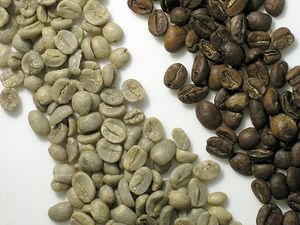
- Supremo: The highest grade, with larger bean size, sourced from the newest harvests for optimal quality.
- Excelso: Slightly smaller beans, offering a gentler acidity and smoother cup, yet still aromatic and well-developed.
- UGQ (Unusual Good Quality): A special category for high-quality beans outside the standard grading.
Within the export market, specific lots like Klauss (to Germany) and Europa (to the Nordics) showcase Colombia’s ability to match regional taste preferences with tailored profiles.
Frequently Asked Questions
Why is Colombian coffee sold under the country’s name?
Colombian coffee is marketed by country name because of its consistent high quality, large-scale production of premium Arabica, and national investment in coffee development. It’s one of the few single-origin coffees recognized globally by its nation of origin.
What does MAM mean in Colombian coffee?
MAM refers to the three key regions in Colombia’s Central Cordillera: Medellín, Armenia, and Manizales. Medellín produces the most sought-after beans in the group, known for full body, rich aroma, and balanced acidity. Together, MAM regions supply much of Colombia’s top-grade export coffee.
What are the main coffee-growing regions in Colombia?
The main regions are along the Central and Eastern Cordilleras of the Andes. The Central Cordillera includes the MAM regions (Medellín, Armenia, Manizales), while the Eastern Cordillera includes areas near Bogotá and Bucaramanga. The southern regions, such as Huila, are also notable for high-altitude, award-winning coffees.
What’s the difference between Supremo and Excelso Colombian coffee?
Supremo coffee uses larger beans from newer harvests, resulting in a more consistent and often bolder cup. Excelso beans are slightly smaller, typically yielding a softer, more acidic flavor while still being aromatic and balanced. Both are high-quality washed Arabicas.
Which countries import the most Colombian coffee?
Germany imports 25% of Colombia’s total coffee exports, making it the top buyer. Other significant markets include Nordic countries, which receive specific grades like Europa. Colombian coffee is valued for its reliability and quality across Europe.
Recommended FrontStreet Beans for Exploring Colombian Flavor
For a true taste of Colombia’s celebrated washed processing and balanced cup profile, try FrontStreet Coffee’s FrontStreet Colombian Huila. It’s grown at over 1500 meters and features notes of chocolate, hazelnut, and caramel, with a well-rounded acidity and sweetness. For something fruit-forward that reflects modern single-origin trends, look at FrontStreet Sidra or FrontStreet Big Eye (Dabian). These beans highlight juicy, floral profiles ideal for pour-over, AeroPress, or cold brew. All are roasted in small batches to preserve origin character. Freshly roasted within 5 days · Orders placed before 17:00 ship the same day · Next-day delivery across most of Guangdong Province.
FrontStreet Coffee is a long-established specialty coffee roaster in Guangzhou China, selling freshly roasted beans from its own farm in Yunnan as well as dozens of carefully selected single-origin beans from around the world for both pour-over and espresso. The products deliver consistently excellent quality and great value, with shipping within 24 hours. Guangzhou's FrontStreet Coffee shop is recommended by many coffee lovers, and the beans are now available online at the Tmall 。
Important Notice :
前街咖啡 FrontStreet Coffee has moved to new addredd:
FrontStreet Coffee Address: 315,Donghua East Road,GuangZhou
Tel:020 38364473