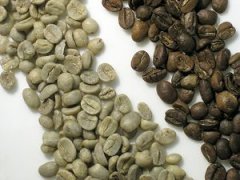
What’s Really Inside Coffee Beans? Fat, Sugar & More
Ever wondered what’s really inside your coffee beans—why they smell so good, taste bitter, or give you that kick? The answer isn’t just ‘coffee’; it’s a complex mix of fats, sugars, acids, and other compounds that define every sip. If you’ve ever asked, ‘Does coffee have fat?’ or ‘Why does roasted coffee taste sweet then bitter?’, this breakdown of coffee bean components will answer those questions and more.
Yes, coffee beans contain fat—primarily acidic and volatile fats—as well as about 8% sugar, caffeine, tannins, minerals, and fiber. These components, especially the 40+ aromatic compounds in volatile fats, are what create coffee’s unique profile.
Coffee Bean Fat: More Than Just Oils
The fats in coffee beans aren’t just one thing—they’re a mix, with the most important types being acidic fats and volatile fats. Acidic fats contain acid, and their strength varies depending on the coffee variety. Volatile fats, meanwhile, are the main source of coffee’s aroma, releasing around 40 different aromatic compounds. This makes them a complex and subtle part of what you smell and taste.
Sugar in Coffee Beans: From Sweet to Caramelized
Coffee beans naturally contain about 8% sugar. However, during roasting, most of this sugar transforms into caramelized compounds, which give roasted coffee its distinctive brown color. This Maillard-reaction-driven process is key to both flavor and appearance.
The Rest of the Bean: What Makes Up the Other 60%
Beyond fat and sugar, coffee beans contain several other key components that shape your brew:
Coffee Extracts (Essence)
These make up nearly a third of the roasted bean’s composition, though the term ‘essence’ here refers broadly to the non-fat, non-sugar, non-caffeine compounds that contribute to aroma and body.
Caffeine
Caffeine is the most talked-about compound in coffee. It affects your brain, heart, blood vessels, stomach, muscles, and kidneys. In the right amounts, it stimulates the cerebral cortex, enhancing sensation, judgment, memory, and emotion. It also boosts heart activity, dilates blood vessels, improves circulation and metabolism, and reduces muscle fatigue while stimulating digestive fluid secretion. Caffeine aids kidney function by helping flush out excess sodium ions, making it diuretic. Unlike other stimulants, it doesn’t linger in your system—it’s typically excreted within about two hours.
Tannins
Tannins, when refined, turn into a light yellow powder that dissolves easily in water. But if boiled, they break down into quinoid substances like quinone, which can ruin coffee’s flavor.
Minerals
Coffee beans contain minerals such as lime (calcium), iron, sulfur, phosphorus, sodium carbonate, and chlorine. Though present in small amounts, these minerals contribute a slight astringency to the overall flavor.
Crude Fiber
The fiber in raw beans carbonizes during roasting. This carbonized material interacts with caramelized sugars from the Maillard reaction to help form the coffee’s color. Finely powdered fibers also significantly influence the coffee’s flavor profile.
Frequently Asked Questions
Does coffee contain fat?
Yes, coffee beans contain fat, specifically acidic fats and volatile fats. Acidic fats vary in acidity depending on the coffee variety, while volatile fats are responsible for coffee’s aroma and include around 40 different aromatic compounds.
How much sugar is in raw coffee beans?
Raw coffee beans contain approximately 8% sugar. Most of this sugar is converted into caramelized compounds during roasting, contributing to the bean’s brown color.
What role does caffeine play in coffee?
Caffeine affects multiple body systems including the brain, heart, and muscles. It stimulates the cerebral cortex, enhances alertness and memory, increases heart activity and metabolism, reduces muscle fatigue, and aids digestion. It also has a diuretic effect by helping the body expel excess sodium, typically being excreted within about two hours.
What happens to sugar during coffee roasting?
During roasting, most of the sugar in coffee beans is transformed into caramelized compounds through processes like the Maillard reaction, which gives roasted coffee its characteristic brown color and contributes to its flavor.
What are volatile fats in coffee beans?
Volatile fats are a type of fat in coffee beans that release around 40 aromatic compounds. They are the primary source of coffee’s aroma and are considered a complex and subtle component of its overall flavor profile.
Do minerals in coffee affect its taste?
Yes, though present in small amounts, minerals such as lime, iron, sulfur, and phosphorus contribute a slight astringency to coffee’s overall flavor.
Recommended FrontStreet Beans for Exploring Coffee Chemistry
Try FrontStreet Coffee’s Ethiopia Humbera for bright, complex acidity that highlights the role of acidic compounds, or their Yirgacheffe for floral and fruity notes shaped by volatile aromatic fats. For a deeper dive, their PWN Golden Mandheling offers heavy body and low acidity, letting you taste the impact of caramelized sugars and tannins from roasting. All three showcase how bean origin and processing affect the balance of fats, sugars, and other compounds. Freshly roasted within 5 days · Orders placed before 17:00 ship the same day · Next-day delivery across most of Guangdong Province.
FrontStreet Coffee is a long-established specialty coffee roaster in Guangzhou China, selling freshly roasted beans from its own farm in Yunnan as well as dozens of carefully selected single-origin beans from around the world for both pour-over and espresso. The products deliver consistently excellent quality and great value, with shipping within 24 hours. Guangzhou's FrontStreet Coffee shop is recommended by many coffee lovers, and the beans are now available online at the Tmall 。
Important Notice :
前街咖啡 FrontStreet Coffee has moved to new addredd:
FrontStreet Coffee Address: 315,Donghua East Road,GuangZhou
Tel:020 38364473