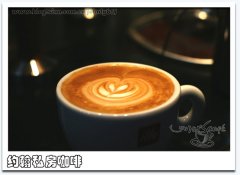
How to Make Latte Art: Milk Foam & Technique Guide
If you’ve ever watched a barista pour a flawless heart or tulip into a latte and then tried it yourself—only to get a bubbly mess or a separated drink—you’re not alone. The problem isn’t just your pouring technique; it’s everything from the milk to the foam to the espresso beneath it. Making great latte art starts long before the pour.
To make quality latte art, you need three fundamentals: properly extracted espresso, well-steamed whole milk with fine microfoam, and the right tools—including a steam wand and a good pitcher. Without all three, your design won’t hold, and the drink won’t taste right.
Start With Proper Espresso
Latte art is built on a base of espresso. If your espresso shot isn’t extracted correctly, your latte might look nice—but it won’t taste good. Since latte art is a drink first and an art form second, start with a properly brewed espresso. That means using a pump-driven espresso machine. Many home machines have dual pumps so you can pull the shot and steam milk simultaneously, though single-pump models require doing one after the other.
Use Whole Milk Only
Don’t use skim or low-fat milk. Whole milk contains the right amount of fat to create smooth, velvety microfoam. Skim milk has too little fat, resulting in foam that’s thin, dry, and hard to integrate with the espresso. Most cafés use whole milk—specifically, something like Nestlé’s full-fat—because it produces the best texture for latte art and drinking.
Steam Milk to Perfection
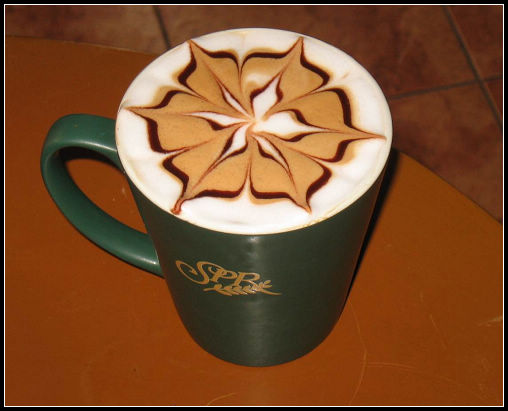
Milk foam isn’t just bubbles—it’s milk that’s been infused with fine air bubbles to create a smooth, glossy layer called microfoam. The goal is to introduce air into cold milk while steaming, creating a texture that’s thick but fluid. The ideal temperature range is 60–80°C (140–176°F). Too much air creates large, stiff bubbles that sit on top of the drink and don’t mix with the espresso. With practice, you’ll learn to balance air intake and rolling motion to get that smooth, pourable microfoam.
Steam wands are the easiest tool for this, especially those integrated into espresso machines. If you don’t have one, a manual milk frother can work in a pinch—but it takes more skill to get the same texture. Either way, pay attention to temperature and texture. You should be able to feel the warmth through a stainless steel pitcher, and the foam should be silky, not foamy.
The Right Tools Make a Difference
A lot of beginners overlook the importance of the milk pitcher—or “pouring jug.” But it’s essential. The spout shape helps control flow during the pour, letting you shape the design. Also, since milk expands and heats up quickly, you’ll use the pitcher to gauge temperature by feel—60–80°C is ideal. A narrow, pointed spout acts like a paintbrush, giving you the precision needed for hearts, tulips, or rosettas.
Also critical: the steam wand. Whether it’s part of your espresso machine or a separate tool, it’s what aerates the milk. Dual-pump espresso machines let you extract shots and steam milk at the same time, saving time and preserving heat. Single-pump machines require you to do each step separately—but either way, the steam wand is key to getting usable microfoam.
Why This All Matters
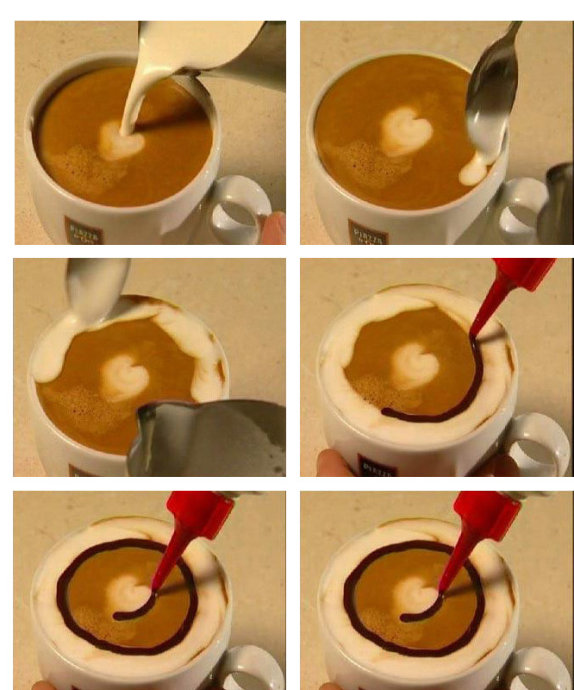
You can practice pouring all day, but if your espresso is under-extracted, your milk is too hot, or your foam is too bubbly, the art won’t hold and the drink won’t taste good. Great latte art requires all components to work together: the crema from the espresso, the smooth microfoam from the milk, and the control of your pour. Neglect any one element, and the result falls apart.
Frequently Asked Questions
Do I need an expensive espresso machine to make latte art?
No, you don’t need the most expensive machine, but you do need a pump-driven espresso machine with a steam wand. A basic single-pump machine works if you steam milk after pulling the shot, while a dual-pump machine lets you do both at once. What matters most is that you can produce a stable espresso shot and textured milk.
What’s the best milk temperature for latte art?
The optimal milk temperature for steaming is between 60–80°C (140–176°F). Going over 80°C can scorch the milk and degrade both flavor and texture. Use the pitcher to feel when it’s in the right range—too hot to touch comfortably but not boiling.
Can I make latte art with skim milk or plant-based milk?
Skim milk has too little fat to form proper microfoam, resulting in thin, bubbly foam. Most plant-based milks also lack the protein and fat structure needed for stable foam, though some brands offer barista editions formulated for steaming. For best results, stick with whole dairy milk when learning.
What’s the difference between macrofoam and microfoam?
Macrofoam is made of large, visible bubbles—you often get this when you introduce too much air early in the steaming process. Microfoam is fine, velvety, and glossy, formed by properly stretching and rolling the milk. Only microfoam will integrate smoothly with espresso for latte art.
Why does my milk foam separate from the espresso?
This usually happens when the milk is over-aerated (too many big bubbles) or the espresso crema is weak. Proper microfoam blends with the crema, but if your foam is coarse or your shot is poorly extracted, the layers won’t combine. Check your grind, dose, and extraction time for the espresso, and adjust your steaming technique for smoother foam.
Recommended FrontStreet Coffee Beans for Latte Art Practice
If you’re learning to pour latte art at home, start with FrontStreet Coffee’s Classic Blend—an approachable medium-dark roast designed specifically for milk drinks. It delivers rich flavors of butter, toasted bread, and caramel with stable crema, making it easier to pour clean designs. For a nuttier profile, try the Specialty Blend with hazelnut, dark chocolate, and caramel notes that shine through milk. Both roasts produce excellent crema and texture for practicing hearts, tulips, and other patterns. Freshly roasted within 5 days · Orders placed before 17:00 ship the same day · Next-day delivery across most of Guangdong Province.
FrontStreet Coffee is a long-established specialty coffee roaster in Guangzhou China, selling freshly roasted beans from its own farm in Yunnan as well as dozens of carefully selected single-origin beans from around the world for both pour-over and espresso. The products deliver consistently excellent quality and great value, with shipping within 24 hours. Guangzhou's FrontStreet Coffee shop is recommended by many coffee lovers, and the beans are now available online at the Tmall 。
Important Notice :
前街咖啡 FrontStreet Coffee has moved to new addredd:
FrontStreet Coffee Address: 315,Donghua East Road,GuangZhou
Tel:020 38364473