How to Use a Turkish Coffee Pot: Step-by-Step Guide
Making authentic Turkish coffee isn’t just about brewing—it’s about tradition, texture, and theater. But if your first cup tastes gritty or overly bitter, you’re missing the fine balance of heat, timing, and grind that defines this ancient method. Here’s how to get it right, from the first bubble to the coffee reading afterward.
To make Turkish coffee correctly, use 15 grams of ultra-fine coffee, 5 grams of sugar, a pinch of spice (optional), and 150 ml of cold or lukewarm water. Heat in a traditional copper cezve (or stainless steel alternative) until it boils three times, skimming the golden foam at the right moments. Total brew time: around three minutes.
What Is a Turkish Coffee Pot?
A Turkish coffee pot—also called a cezve, ibrik, or briki—is traditionally made of copper, though stainless steel versions are common too. It’s a small, long-handled pot designed for low-volume, high-intensity brewing. The narrow top helps build foam, and the wide base promotes even heat distribution. Most enthusiasts value cezves for their craftsmanship, historical charm, and ability to create a thick, unfiltered coffee full of body and aroma.
Why Use a Turkish Coffee Pot?
Turkish coffee isn’t filtered, so the grounds remain in the cup, creating a thick layer of sediment. The cezve allows you to control the heat precisely, helping develop the signature golden foam (kaymak) without over-extracting or scorching the coffee. It’s also the only brewing method recognized by UNESCO as an Intangible Cultural Heritage, making it as much about performance and ritual as it is about flavor.
Pros and Cons of Brewing Turkish Coffee
- Pros: Simple setup, no filter needed, creates rich foam, allows for spice infusion, includes a cultural coffee-telling ritual.
- Cons: Requires fine grind (can clog some grinders), no filtration means sediment in the cup, must be brewed on a flame (no electric compatibility), often more expensive than standard brewers.
What You’ll Need
- Copper or stainless steel Turkish coffee pot (cezve)
- 15 grams of finely ground coffee (like flour)
- 150 ml water (cold or lukewarm, not boiling)
- 5 grams sugar (adjust to taste)
- Optional: spices such as cinnamon, cardamom, or ginger
The Best Grind Size for Turkish Coffee
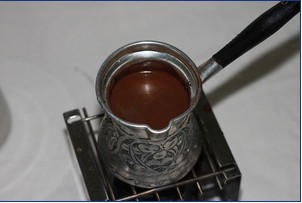
The coffee must be ground to an extra-fine consistency—about the same as powdered sugar or flour. This ultra-fine grind is essential to create the necessary resistance for foam development and to fully extract in such a short brew time. Most home grinders can’t achieve this; you may need a specialized Turkish grinder or to have the coffee pre-ground.
How to Make Turkish Coffee: Step-by-Step
Follow these steps to brew traditional Turkish coffee with foam and minimal grit:
- Heat Your Water: Pour 150 ml of cold or lukewarm water (not boiling) into the cezve. Heating water first is optional, but starting around 70–80°C (instead of cold) can reduce perceived acidity for some drinkers.
- Add Ingredients: Add 15 grams of finely ground coffee, 5 grams of sugar, and any desired spices (like cinnamon or ginger) directly into the water. Do not stir yet.
- First Heat & Foam: Slowly heat the mixture. Just before it reaches a boil, a layer of golden foam (kaymak) will form on top. Remove from heat immediately, let it settle briefly, then stir.
- Second Boil & Stir: Return to heat. Let it foam again, then remove and stir once more.
- Third Boil & Serve: Heat a third time until foam rises, then take it off the heat for the final time. Do not allow it to boil over.
- Pour Carefully: Let the coffee sit for a few seconds to allow grounds to settle. Pour slowly into small cups, leaving the settled grounds at the bottom.
The entire process typically takes around 3 minutes.
Flavor Adjustments and Customizations
You can adjust the sweetness by varying the sugar: none (unsweetened), a little (medium), or more (sweet). Spices like cardamom, cinnamon, or even a pinch of ginger are traditional in many regions and can complement the deep flavors of dark-roasted coffee.
Choosing the Right Coffee Beans
Ideal beans for Turkish coffee are dark or medium-dark roasted. Light roasts lack the body and oils needed to create good foam and can taste overly acidic or grassy in this unfiltered style. Dark roasts bring out chocolatey, nutty, and caramelized notes that pair well with the thick mouthfeel and spices.
How to Clean Your Turkish Coffee Pot
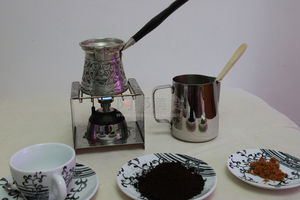
Cleaning a cezve is simple. Rinse it with warm water immediately after use—do not use soap if you want to preserve its flavor memory. Over time, the pot develops a patina that enhances both its appearance and performance. Avoid abrasive sponges to maintain the finish.
Durability and Longevity
High-quality copper or stainless steel cezves are extremely durable and often become lifelong companions. With proper care, a cezve can last decades, developing both character and better heat conduction over time.
How Long Does Turkish Coffee Take to Brew?
The entire brewing process usually takes about three minutes, including heating, foaming, and pouring. Most of that time is spent waiting for the coffee to come to temperature and boil in stages.
Where to Use a Turkish Coffee Pot
Turkish coffee is best enjoyed at home or in small social settings. Its ritualistic preparation makes it perfect for gatherings, holidays, or quiet moments. The slow, deliberate process invites conversation and connection, especially when followed by coffee cup reading (tasseography).
Common Mistakes to Avoid
- Using coarse grind—it leads to under-extracted, weak coffee.
- Boiling too vigorously or too long—causes overflow and burnt flavors.
- Not letting the foam settle before pouring—results in a muddy cup.
- Stirring excessively—disrupts foam formation.
- Using boiling water from the start—can mute aromatics and increase bitterness.
Frequently Asked Questions
Can I use any coffee grinder for Turkish coffee?
No, most standard grinders can’t achieve the ultra-fine consistency required for Turkish coffee. You’ll need a specialized Turkish grinder or have your beans pre-ground to a flour-like powder. Standard burr grinders may not go fine enough, and blade grinders will produce uneven particles.
Do I really need to boil the coffee three times?
Yes, traditional Turkish coffee involves three rounds of heating: the first two create and skim the foam, and the third is when you pour. Each stage builds flavor and texture, and skipping a boil or foam step will alter the final cup significantly.
Can I make Turkish coffee without sugar?
Absolutely. Sugar is optional and can be adjusted to taste or omitted entirely. Many people enjoy it unsweetened or prepare a separate cup for those who prefer it sweet. Spices can also be customized or left out based on preference.
Is it safe to use a stainless steel cezve instead of copper?
Yes, stainless steel cezves are widely used and safe. While traditional cezves are copper, modern ones are often stainless for easier maintenance and lower cost. Both work well, though copper offers superior heat conductivity.
Why is there so much sediment in my cup?
Turkish coffee is unfiltered, so the fine coffee grounds remain in the cup. This is normal and part of the experience. To minimize sediment in your drink, let the coffee settle for a few seconds before pouring slowly and carefully.
Recommended FrontStreet Beans for Turkish Coffee
For Turkish coffee, choose dark roasts with low acidity and bold body. FrontStreet’s PWN Golden Mandheling delivers a clean, spicy profile with herbal depth, while Brazil Queen Manor offers sweet hazelnut and cocoa notes. Colombia Huila, medium-dark roasted, provides balanced berry and caramel tones. All three are ideal for creating thick, flavorful brews with rich mouthfeel and spice compatibility. Freshly roasted within 5 days · Orders placed before 17:00 ship the same day · Next-day delivery across most of Guangdong Province.
FrontStreet Coffee is a long-established specialty coffee roaster in Guangzhou China, selling freshly roasted beans from its own farm in Yunnan as well as dozens of carefully selected single-origin beans from around the world for both pour-over and espresso. The products deliver consistently excellent quality and great value, with shipping within 24 hours. Guangzhou's FrontStreet Coffee shop is recommended by many coffee lovers, and the beans are now available online at the Tmall 。
Important Notice :
前街咖啡 FrontStreet Coffee has moved to new addredd:
FrontStreet Coffee Address: 315,Donghua East Road,GuangZhou
Tel:020 38364473