A Visual Guide to Coffee Trees, Flowers, Fruit, and Beans
If you’ve ever wondered what a coffee tree actually looks like—blossoms, fruit, and all—you’re not alone. Most coffee drinkers never see the plant that grows their daily brew. Here’s your chance to see the whole journey, from flower to roasted bean, all in one place.
Coffee goes through five visible stages: the tree itself, fragrant white flowers, red coffee cherries, green coffee beans inside the fruit, and finally the familiar roasted beans. Each stage plays a critical role in determining your cup’s flavor. Below, we break down what each looks like and why it matters.
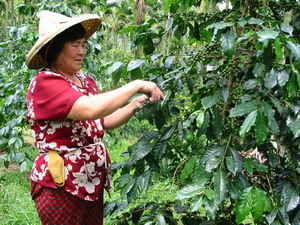
What a Coffee Tree Really Looks Like
Coffee trees are evergreen shrubs that grow in tropical climates. They typically reach 8 to 10 feet tall when cultivated, though wild varieties can grow taller. The glossy, dark green leaves are oval-shaped and grow opposite each other on the stem. Under the right conditions, a mature coffee tree can produce around 2,000 cherries a year—that’s roughly 4,000 coffee beans, since each cherry holds two seeds.
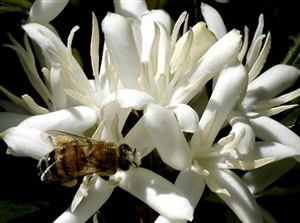
The Coffee Flower: A Fragrant First Step
After rainfall or heavy watering, healthy coffee trees bloom with small, star-shaped white flowers. These flowers are highly fragrant, with a scent often compared to jasmine. The blooms usually appear on the branches after the rainy season and last only a few days. Within a few weeks of flowering, the coffee cherries begin to form. This brief flowering stage is essential—it’s the plant’s first move toward fruit and, eventually, coffee beans.
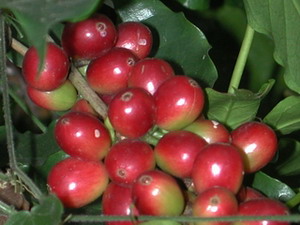
From Flower to Coffee Cherry
Once pollinated, the flowers develop into coffee cherries. These start green and gradually ripen to a bright red—though some varieties turn yellow or even purple when ripe. Each cherry typically holds two coffee beans, though a small percentage are “peaberries,” with just one rounded bean inside. The cherries are ready for harvest about 7 to 9 months after flowering, depending on the climate and variety. Ripe cherries are handpicked or mechanically harvested, ideally only when fully red for optimal flavor.
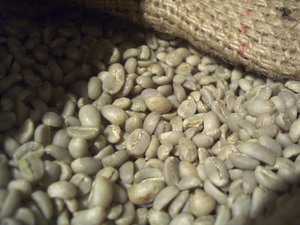
Inside the Cherry: Green Coffee Beans
Each coffee cherry contains two green coffee beans, surrounded by a sweet, pulpy layer and a protective skin. The beans are the seeds of the fruit, and at this stage, they are still unroasted. The green beans are what roasters start with—they have none of the brown color or rich aroma found in roasted coffee. The variety, growing altitude, and processing method (washed, natural, or honey) all influence the green beans’ density and flavor potential long before roasting begins.
From Green to Roasted: The Final Transformation
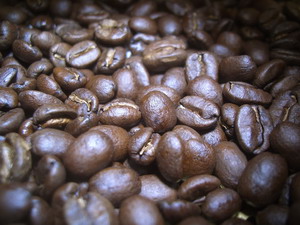
Roasting transforms green coffee beans into the aromatic, brown beans used for brewing. During roasting, beans lose moisture, expand in size, and undergo chemical changes like the Maillard reaction, which develops their flavors and aromas. Light roasts preserve more of the bean’s origin characteristics, while darker roasts highlight deeper, richer tones. The beans you buy—whether for espresso or pour-over—start their journey as these green seeds inside a cherry, then go through precise heat application to become the final product.
Frequently Asked Questions
What does a coffee tree look like?
A coffee tree is a compact evergreen shrub that grows 8 to 10 feet tall under cultivation. It has glossy, dark green, oval-shaped leaves and produces small white, jasmine-like flowers. Each tree can yield around 2,000 coffee cherries annually, with two beans inside each cherry.
What color are coffee flowers?
Coffee flowers are small, white, and star-shaped, with a strong fragrance similar to jasmine. They bloom briefly after rain and eventually give way to green coffee cherries.
How do coffee cherries turn into coffee beans?
Inside each ripe coffee cherry are one or two seeds—these are the green coffee beans. The cherries turn from green to red (or sometimes yellow or purple) as they ripen, signaling that the beans inside are ready for harvest.
What do green coffee beans look like?
Green coffee beans are small, hard, and pale green or bluish in color. They are the unroasted seeds found inside coffee cherries and have none of the roasted flavor or aroma until they are processed.
How are green beans turned into roasted beans?
Green beans are roasted at high temperatures to develop flavor. This process reduces moisture, causes the beans to expand, and triggers chemical reactions such as the Maillard reaction. Roast levels range from light to dark, impacting the final taste profile.
Why don’t we see coffee plants in stores?
Coffee plants are typically grown in tropical regions near the equator. The beans go through multiple stages—tree, flower, cherry, green bean—before roasting, which is done near consumption markets. The full plant is rarely seen outside farms or specialty growers.
FrontStreet Coffee Beans That Show the Full Journey
The Ethiopia Humbera offers floral and citrus notes from its high-altitude cherry, while the Yirgacheffe brings bright lemon and jasmine—just like the flowers on a coffee tree. For a classic cup that traces the full path from tree to roast, try our Classic Blend, balancing chocolate and nut tones with clean acidity. Freshly roasted within 5 days · Orders placed before 17:00 ship the same day · Next-day delivery across most of Guangdong Province.
FrontStreet Coffee is a long-established specialty coffee roaster in Guangzhou China, selling freshly roasted beans from its own farm in Yunnan as well as dozens of carefully selected single-origin beans from around the world for both pour-over and espresso. The products deliver consistently excellent quality and great value, with shipping within 24 hours. Guangzhou's FrontStreet Coffee shop is recommended by many coffee lovers, and the beans are now available online at the Tmall 。
Important Notice :
前街咖啡 FrontStreet Coffee has moved to new addredd:
FrontStreet Coffee Address: 315,Donghua East Road,GuangZhou
Tel:020 38364473