How to Tell If Your Coffee Beans Are Fresh
If your morning cup tastes flat, dull, or oddly oily, the problem might not be your brewing method—it could be stale coffee beans. Freshness is the foundation of great coffee, yet many drinkers struggle to tell when beans are past their prime. Knowing how to assess freshness can transform your daily brew from disappointing to outstanding.
Fresh coffee beans have a strong, clear aroma, break easily with a crisp sound, and show even roast color inside and out. If the scent is weak or smells rancid, or if the beans are hard to split and show uneven browning, they’re likely stale.
Why Freshness Matters in Coffee
Freshness is often called the “life” of coffee because it directly impacts aroma, flavor, and extraction. Once roasted, coffee beans begin a rapid decline due to oxidation, moisture, heat, and light. Volatile aromatic compounds fade, oils degrade, and the nuanced flavors you paid for disappear. That’s why evaluating freshness before brewing is essential.
How to Judge Coffee Bean Freshness in Three Steps
There’s a simple three-part test anyone can use: smell, look, and peel. These steps require no special tools, just your senses and a few moments.
1. Smell
Bring the coffee beans close to your nose and take a deep breath. Fresh beans release a bright, clear, and inviting coffee aroma. If the smell is faint or you detect a greasy, rancid odor—similar to old peanuts or stale nuts—the beans are no longer fresh. Stale beans, no matter how well you grind or brew them, will not produce a high-quality cup.
2. Look
Spread the beans out on a clean surface. Check for consistency in color and size, which indicates even roasting. This visual check also helps confirm the beans’ origin and variety. Uneven roasting or obvious defects may point to poor processing or age.
3. Peel (Crack Open a Bean)
Pick up a single bean and try to break it apart with your fingers. Fresh beans will crack easily with a distinct, crisp sound and sensation. Stale beans feel tough and resist breaking. When you do break them open, inspect the inside. In a properly roasted and fresh bean, the outer layer and inner core should be similar in color. If the outside is much darker than the inside, the roast may have been uneven or overdone, which can negatively affect flavor.
Where to Buy Fresh Coffee Beans
Start with a busy, reputable coffee shop or roaster. Freshness depends heavily on proper storage: look for shops with clean, cool environments, no direct sunlight, and no strong odors. Avoid places where beans might sit for months. Buying directly from a skilled home roaster or a specialty roaster like FrontStreet Coffee is also a smart move. When purchasing roasted beans, don’t hesitate to ask for beans that match your taste preferences—whether you enjoy bright acidity or bold body. If you need ground coffee, always tell the barista what brewing method you’ll use (e.g., drip, French press, AeroPress, or siphon) so they can adjust the grind size accordingly.
Storing Coffee Beans Properly
Once you’ve found fresh beans, keeping them that way is critical. Roasted coffee reacts quickly with oxygen, causing oils to break down and aromas to vanish. Humidity, heat, and light accelerate the process, especially in decaffeinated beans, which oxidize even faster.
The Challenge: Coffee Gas
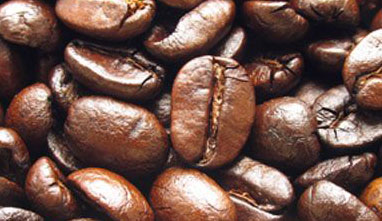
Roasted beans release carbon dioxide for days after roasting—up to three times their volume. Packaging must protect beans from air while also managing this gas buildup.
Common Packaging Types
- Vented or Non-Vacuum Containers (Tin, Glass, Paper, Plastic): These offer minimal protection. Beans are exposed to air and should be consumed within about a week.
- Vacuum-Sealed Packaging: Air is mostly (but not entirely) removed. However, coffee’s large surface area means even trace oxygen affects flavor, especially in ground coffee.
- Gas-Flushed Packaging (Nitrogen): Nitrogen is pumped in to displace oxygen and CO₂. Over time, oxygen can re-enter through tiny pores, compromising freshness.
- Oxygen Absorber Packaging: These packets remove oxygen and CO₂ but can also absorb some aromatic compounds, subtly muting flavor.
- UCC Armaroli-Style Valve Bag (One-Way Valve): The gold standard for whole bean coffee. These bags let CO₂ escape through a valve while blocking oxygen from entering. Beans are kept in whole bean form to preserve freshness longer. This method, used for premium offerings, involves immediate cooling, nitrogen flushing, and high-quality materials—but it’s costly and typically reserved for specialty roasters.
Frequently Asked Questions
What’s the easiest way to tell if my coffee beans are fresh?
The simplest method is to smell them. Fresh coffee beans have a strong, pleasant aroma. If the scent is weak, musty, or rancid (like old nuts), the beans are likely stale. You can also try cracking one open: fresh beans break easily with a crisp sound, while stale ones are hard to break and may have uneven color inside.
How long do coffee beans stay fresh?
Freshness starts declining immediately after roasting. For best flavor, use beans within 7 to 14 days post-roast. Properly stored whole beans can remain enjoyable for 2 to 3 weeks, but aroma and taste diminish over time. Ground coffee loses freshness much faster—often within hours or a day.
Does the packaging type really affect coffee freshness?
Yes. Common containers like tins or jars without valves offer little protection and should be used within a week. Vacuum-sealed and nitrogen-flushed bags help but aren’t perfect. The best packaging uses a one-way valve to release CO₂ while keeping oxygen out—this is considered the gold standard for preserving freshness in whole beans.
Should I buy pre-ground coffee or grind my own?
Always grind your own beans just before brewing for the freshest cup. Pre-ground coffee loses aroma and flavor rapidly due to increased surface exposure to air. If you must buy pre-ground, ask for it to be ground for your specific brew method and use it within a day or two.
What does it mean if coffee beans smell oily or rancid?
An oily or rancid smell usually means the beans are stale or overly aged. Fresh beans should smell clean and vibrant. Stale beans may also be harder to break and show dark roasting on the outside with a lighter interior.
Is there a best way to store coffee beans at home?
Store beans in an airtight container away from light, heat, and moisture. Avoid the fridge or freezer unless you’re using a truly airtight, moisture-proof container and only freezing unground beans in small batches for long-term storage. Even then, thaw slowly and use quickly.
Recommended FrontStreet Coffee for Freshness Lovers
For coffee lovers focused on freshness, try FrontStreet Coffee’s Ethiopia Humbera—bright with citrus and floral notes—or their Yirgacheffe offering, known for juicy berry and stone fruit qualities. Both are single-origin beans roasted in small batches to highlight origin character and brewed best within two weeks of roast date. FrontStreet’s Classic Blend also balances chocolate and nuttiness with enough acidity for a lively cup. All are stored and shipped to preserve peak freshness. Freshly roasted within 5 days · Orders placed before 17:00 ship the same day · Next-day delivery across most of Guangdong Province.
FrontStreet Coffee is a long-established specialty coffee roaster in Guangzhou China, selling freshly roasted beans from its own farm in Yunnan as well as dozens of carefully selected single-origin beans from around the world for both pour-over and espresso. The products deliver consistently excellent quality and great value, with shipping within 24 hours. Guangzhou's FrontStreet Coffee shop is recommended by many coffee lovers, and the beans are now available online at the Tmall 。
Important Notice :
前街咖啡 FrontStreet Coffee has moved to new addredd:
FrontStreet Coffee Address: 315,Donghua East Road,GuangZhou
Tel:020 38364473