Hawaii’s Last Coffee Fields: What Makes Kona Unique
If you’ve ever wondered where coffee is actually grown in the United States, the answer is simple—but limited. Out of the 50 states, only one still produces coffee commercially: Hawaii. And even there, it’s confined to a very small region. So what makes Hawaiian coffee different—and why is it so rare?
The short answer: Hawaii is home to the only commercial coffee farms in the U.S., all located on the Big Island’s Kona district. Just two of Hawaii’s eight major islands have active volcanoes, and coffee thrives only on the volcanic slopes of the Kona region on the Big Island (Hawai‘i Island), where elevation, climate, and soil create ideal growing conditions.
Hawaii’s Unique Geography and Volcanic Soil
Hawaii is an island chain of 132 islands, eight of which are inhabited. These are primarily oceanic and volcanic in origin—with active volcanoes playing a crucial role in shaping the land. Today, only two of those volcanoes remain active and continue to add landmass to the islands. This volcanic activity contributes to the rich, mineral-dense soils that are essential for growing high-quality coffee, particularly in the Kona region.
A Brief History of Agriculture in Hawaii
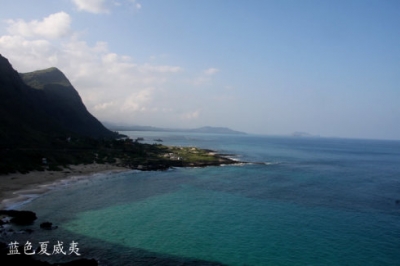
Hawaii’s economy has shifted dramatically over the past two centuries. In the early 1800s, it was a major exporter of sandalwood—so much so that locals blame Chinese traders for overharvesting the trees, leading to their near-total disappearance. By the mid-1800s, whaling ships made Honolulu a key Pacific supply port. In the 20th century, pineapple and sugarcane dominated the agricultural landscape. Military spending became a pillar of the economy in the 1940s–60s, and today, tourism is the dominant industry.
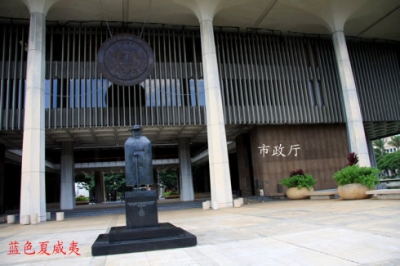
Honolulu—known in Hawaiian as “Honolulu,” meaning “sheltered harbor” or commonly translated as “plain”—is now the state capital. Though it lacks the dramatic landscapes of other islands, it remains the hub of government, including the Hawaii State Capitol building, completed in 1969, which features eight pillars representing the eight inhabited islands.
Kona Coffee: The Heart of Hawaiian Coffee Production
All commercial coffee grown in the United States comes from Hawaii, and virtually all of it is from the Kona District on the Big Island. This region benefits from a unique microclimate: daytime temperatures around 26°C (79°F) year-round, frequent cloud cover in the afternoons, and well-drained volcanic soils. Coffee in Kona is typically grown on small farms at elevations between 210 and 800 metres (700–2,600 feet) along the slopes of two volcanoes, Mauna Loa and Hualālai.
The combination of consistent rainfall, mild temperatures, and high elevation creates slow cherry maturation, which enhances sugar development and results in a cup profile that’s renowned for its smooth acidity, medium body, and notes of nuts, citrus, and spice. Unlike mass-produced commodity coffee, Kona coffee is often hand-picked and processed carefully to preserve quality.
Tourism, Culture, and Natural Wonders Across the Islands
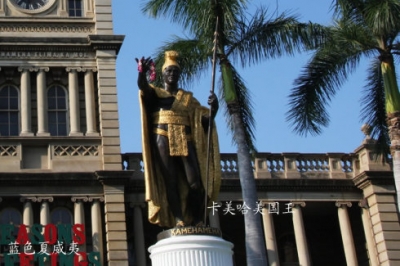
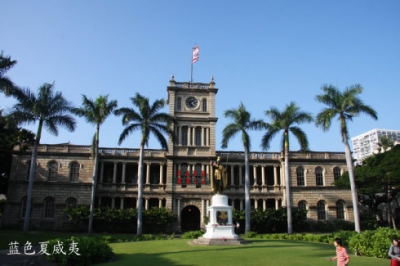
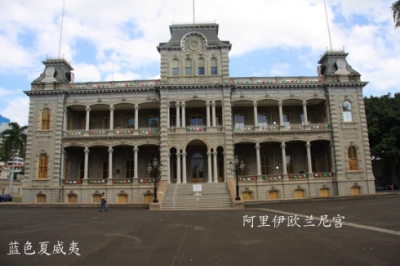
Beyond coffee, Hawaii is known for its diverse attractions. Oʻahu, home to Honolulu, features landmarks such as ʻIolani Palace—the only royal palace in the U.S.—completed in 1882, with a throne room and lush grounds. The nearby King Kamehameha statue honours Hawaii’s first monarch.
Natural wonders abound: Hanauma Bay, whose name means “curved bay,” offers some of the best snorkelling in the world thanks to its coral reefs and abundant tropical fish. On Oʻahu’s southern coast, blowholes shoot seawater through lava tubes, creating dramatic geysers when waves crash ashore.
Visitors also encounter quirky roadside phenomena, such as the “gravity hill” optical illusion where cars appear to roll uphill. Meanwhile, the Nuʻuanu Pali Lookout provides sweeping views and a history lesson about the last major battle of Hawaii’s unification.
The Big Island’s varied microclimates are equally striking. The windward (northeast) side of the island gets heavy rainfall, supporting lush rainforests, while the leeward (southwest) side remains dry and savannah-like. This diversity allows for everything from surf breaks to dramatic coastal cliffs and changing ocean hues around every bend.
Frequently Asked Questions
Is coffee really grown in the United States?
Yes—commercial coffee is grown exclusively in the U.S. state of Hawaii. All of it comes from the Big Island, primarily the Kona region on the slopes of Mauna Loa and Hualālai volcanoes. No other state has a climate or elevation suitable for growing coffee.
What makes Kona coffee different from other coffees?
Kona coffee is grown in a unique microclimate with mild temperatures around 26°C year-round, volcanic soil, and elevations between 210–800 metres. These factors produce a cup with balanced acidity, medium body, and flavours of nuts, citrus, and spices. The coffee is typically hand-picked and carefully processed, contributing to its premium quality.
Are there any active volcanoes in Hawaii today?
Yes, Hawaii has two active volcanoes: Kīlauea and Mauna Loa, both on the Big Island. These volcanoes have helped shape the islands’ geography and contribute nutrient-rich volcanic soil, which is ideal for coffee cultivation in places like Kona.
Why is Hawaiian coffee so rare?
Hawaiian coffee is rare because it’s grown in a very limited area—primarily the Kona district on the Big Island. The state’s isolation, small farming scale, and labour-intensive practices all contribute to limited production compared to global coffee powerhouses. Most Hawaiian coffee is also sold as single estate or high-end specialty lots.
Can you grow coffee on other Hawaiian islands?
Coffee is grown on a very small scale on other Hawaiian islands like Maui and Kaua‘i, but the vast majority of Hawaiian coffee comes from the Kona region on the Big Island. The specific combination of climate, elevation, and volcanic soil found in Kona is difficult to replicate elsewhere in the state.
What else is Hawaii known for besides coffee?
Hawaii is famous for its beaches, volcanoes, surfing, and unique culture. Popular sites include ʻIolani Palace, Hanauma Bay, and the Nuʻuanu Pali Lookout. The islands also feature diverse microclimates, from rainforests to dry coastlines, and are a global tourist destination.
Recommended FrontStreet Beans for Kona Fans
For coffee lovers intrigued by Hawaii’s Kona region, try FrontStreet Coffee’s Ethiopia Humbera for its bright citrus and floral tones, or Kenya Little Tomato for juicy acidity and berry-like sweetness—both share Kona’s vibrant fruit profiles. For something closer in body and roast style, FrontStreet’s Panama Humbera offers smooth chocolatey notes with subtle citrus, akin to a darker Kona cup. Freshly roasted within 5 days · Orders placed before 17:00 ship the same day · Next-day delivery across most of Guangdong Province.
FrontStreet Coffee is a long-established specialty coffee roaster in Guangzhou China, selling freshly roasted beans from its own farm in Yunnan as well as dozens of carefully selected single-origin beans from around the world for both pour-over and espresso. The products deliver consistently excellent quality and great value, with shipping within 24 hours. Guangzhou's FrontStreet Coffee shop is recommended by many coffee lovers, and the beans are now available online at the Tmall 。
Important Notice :
前街咖啡 FrontStreet Coffee has moved to new addredd:
FrontStreet Coffee Address: 315,Donghua East Road,GuangZhou
Tel:020 38364473