How to Read Coffee Bean Labels: Names, Origins, and Roasts Explained
Ever stood in a specialty coffee shop or scrolled through an online roaster’s menu, puzzled by names like ‘Guatemala Antigua SHB - Finca Los Volcanes 02 Crop’ or ‘Sumatra Lake Tawar Dark Roast’? What do all those words mean? Why are some coffees labeled ‘single origin’ while others are ‘blends’? And what’s the difference between a French roast and a Vienna roast? These labels aren’t just marketing—they tell you exactly where your coffee comes from, how it was processed, and how it’s meant to taste.
In short: coffee bean names reveal origin (country, region, farm), roast level (light to dark), and sometimes processing details or blend type. A name like ‘Ethiopia Yirgacheffe’ tells you it’s a single-origin coffee from a specific Ethiopian region, while ‘Blue Hole Blend’ means it’s a mixed roast designed for balance. Roast terms like ‘French’ or ‘South Italian’ refer to color and flavor profiles, not geography.
1. Single Origin vs. Coffee Blends: What’s in the Name?
Most commercial coffee falls into one of two categories: single origin or blend. Understanding the difference helps you choose coffee based on flavor exploration or consistency.
Single Origin Coffee
‘Single origin’ means the beans come from one country, region, or even a specific farm or estate. Examples include Ethiopia Yirgacheffe, Sumatra Lake Tawar, and Guatemala Antigua. These coffees reflect the unique terroir—climate, soil, and altitude—of their origin. If a label names a specific place outside Europe (since Europe doesn’t grow coffee), it’s almost certainly a single origin. Drinking single origins lets you taste the distinct character of a region.
Coffee Blends
Blends combine beans from multiple origins to achieve a balanced or specific flavor profile. Examples include Huangding Blue Hole Blend or classic espresso blends. Blending is both an art and a science—roasters mix beans to highlight certain notes, smooth out harshness, or create a consistent taste for espresso drinks like lattes and cappuccinos. Popular traditional blends include ‘Mamba’ (Mandheling + Brazil). Blends are often used for espresso-based drinks where complexity and body are key.
2. Roast Levels: Decoding Terms Like French, Italian, and Vienna
Roast level dramatically affects coffee flavor. Terms like ‘French roast’ or ‘South Italian’ refer to how dark the beans are roasted—not where they’re from.
Common Roast Classifications
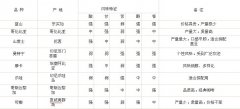
- North Italian : Light to medium roast. Light brown beans, no oil on surface. Bright, acidic, fruity flavors with complex notes. Low or no bitterness.
- South Italian : Medium to dark roast. Dark brown, shiny, oily beans. Bold, rich, and smooth with caramel-like sweetness.
- Italian Roast : Generally a darker roast, more intense than North Italian but not the darkest.
- French Roast : Very dark roast. Nearly black beans with a slightly charred flavor. Lacks acidity, often used for strong espresso.
- Vienna Roast : Often refers to a blend of different roast levels, not a specific origin. Medium-dark to dark, balanced but not as intense as French.
Lighter roasts (like North Italian) preserve the bean’s inherent acidity and fruity or floral notes. Darker roasts (like French or South Italian) develop deeper, caramelized, or even smoky flavors and reduce acidity. Roast names like ‘Vienna’ are traditional labels with no strict global standards—they vary by roaster but generally indicate roast style or blend approach.
3. Beyond the Country: Farm, Region, Grade, and Processing Details
Many coffee names include extra terms that reveal even more about quality, origin, and processing. These include country, region, farm name, altitude grade, and bean type.
Country & Region
The first part of a name is usually the country (e.g., Ethiopia), followed by a region (e.g., Yirgacheffe). Yirgacheffe is a high-altitude zone within Ethiopia’s Sidamo region, known for bright, citrusy, tea-like coffees. Another example, Guatemala Antigua, comes from the volcanic Antigua region, famous for its rich, spicy profiles.
Altitude Grades & Quality Classifications
Different regions use unique grading systems. For example:
- SHB (Strictly Hard Bean): Grown at 4,500+ feet, common in Central America. Indicates denser beans and typically higher quality.
- AA+ (Kenya): Kenya’s top grade. Only given to batches with excellent cup quality and few defects. AA is large beans, AB smaller, PB are peaberry beans.
- Supremo (Colombia): Colombia’s highest grade, based on bean size and low defect rate. Supremo beans are large.
Note: Bean size doesn’t determine flavor, but higher altitude often correlates with better cup quality.
Farm & Crop Details
Some labels include the farm name (e.g., Finca Los Volcanes) or harvest year (e.g., 02 Crop). For example, Guatemala Antigua SHB - Finca Los Volcanes 02 Crop tells you:
- Country: Guatemala
- Region: Antigua (volcanic region)
- Grade: SHB (grown above 4,500 ft)
- Farm: Finca Los Volcanes (Spanish for Estate)
- Crop Year: 2002 (used by roasters for tracking, rarely on consumer labels)
Such detail is rare on retail bags, but it shows how much information is embedded in a coffee’s name—and how professional roasters track origin and quality over time.
Frequently Asked Questions
What does ‘single origin’ coffee mean?
Single origin means the coffee comes from one specific place—a country, region, or farm. Examples include Ethiopia Yirgacheffe or Guatemala Antigua. These coffees reflect the unique flavors of their growing environment, such as altitude, soil, and climate.
What is a coffee blend?
A coffee blend combines beans from multiple origins to create a balanced flavor profile. Blends are often used for espresso drinks like lattes and cappuccinos. Examples include Classic Blends or Mamba (Mandheling + Brazil).
What’s the difference between North Italian and South Italian roast?
North Italian roast is lighter (medium), with light brown beans and no oil. It has bright, acidic, fruity notes. South Italian roast is darker, with shiny, oily beans. It tastes bold, rich, and smooth, often with caramel sweetness.
What does ‘French roast’ mean?
French roast is a very dark roast with nearly black beans. It has a smoky, slightly charred flavor and almost no acidity. It’s commonly used for strong espresso.
Why do some labels include farm names or harvest years?
Labels may include farm names (e.g., Finca Los Volcanes) or crop years (e.g., 02 Crop) to show origin details or track quality. This is more common on specialty bags and helps roasters maintain consistency.
What do coffee grades like SHB or AA+ mean?
Grades like SHB (Strictly Hard Bean) or AA+ refer to bean density, size, and quality based on origin-specific systems. SHB means the coffee was grown at high altitudes (4,500+ feet), often indicating better cup quality. AA+ is Kenya’s top grade for exceptional flavor and low defects.
Recommended FrontStreet Beans for Origin Exploration
Try FrontStreet’s Ethiopia Yirgacheffe for bright citrus and floral notes typical of high-altitude single origins, or their Sumatra Lake Tawar for a classic dark, earthy Indonesian profile. For a balanced blend example, their Classic Blend offers smooth body and chocolate tones ideal for espresso. All showcase how origin and roast shape flavor. Freshly roasted within 5 days · Orders placed before 17:00 ship the same day · Next-day delivery across most of Guangdong Province.
FrontStreet Coffee is a long-established specialty coffee roaster in Guangzhou China, selling freshly roasted beans from its own farm in Yunnan as well as dozens of carefully selected single-origin beans from around the world for both pour-over and espresso. The products deliver consistently excellent quality and great value, with shipping within 24 hours. Guangzhou's FrontStreet Coffee shop is recommended by many coffee lovers, and the beans are now available online at the Tmall 。
Important Notice :
前街咖啡 FrontStreet Coffee has moved to new addredd:
FrontStreet Coffee Address: 315,Donghua East Road,GuangZhou
Tel:020 38364473