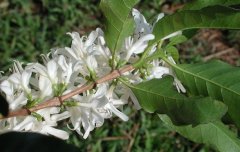
Inside a Coffee Bean: Cross-Section and Anatomy Explained
Ever wondered what’s really inside a coffee bean? The green coffee bean we roast and grind isn’t the whole story—it’s just one part of a complex fruit structure that grows on a tree. To understand how coffee goes from plant to cup, you need to see what’s under the surface.
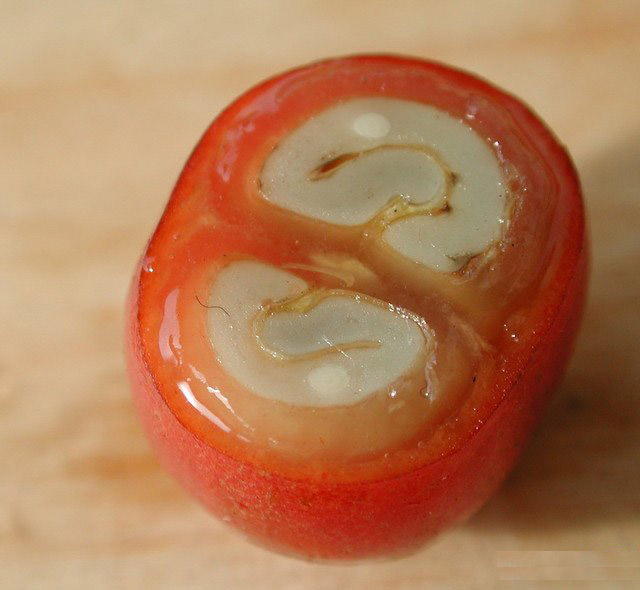
A single coffee cherry usually holds two coffee beans, each surrounded by several protective layers: the outer skin, fruit pulp, sticky mucilage, parchment (endocarp), silverskin (silver skin), and finally the bean itself with its embryo and endosperm.
What Does a Coffee Cherry Look Like Fresh Off the Tree?
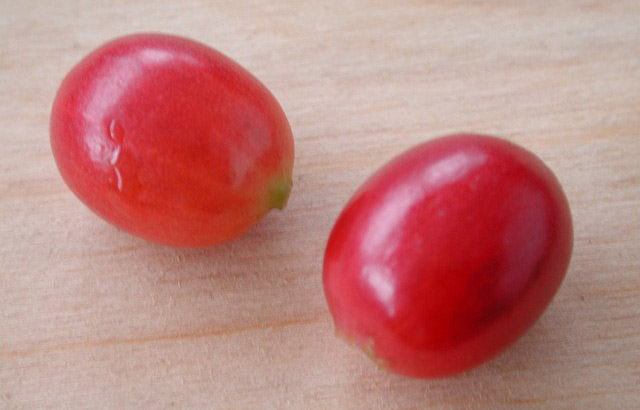
When a coffee cherry ripens on the tree, it turns bright red—or sometimes yellow, depending on the variety. This is the coffee fruit as most people never see it: a small, sweet berry that hides two seeds inside.
These cherries are typically harvested when fully ripe to ensure ideal sugar development and flavor potential in the seeds (beans) inside. The outer skin is thin but tough, and beneath it lies a layer of juicy fruit pulp.
Coffee Cherry Layers: From Skin to Seed
A ripe coffee cherry is made up of several distinct layers, each with a role in protecting and nourishing the coffee bean:
- Outer skin (exocarp) – The colorful, thin skin of the cherry.
- Middle layer (mesocarp) – Also called the pulp, it’s juicy and sweet.
- Mucilage (pectin layer) – A sticky, sugary layer surrounding the beans.
- Inner skin (endocarp) – Also known as the parchment, a tough husk.
- Silverskin (silver skin / perisperm) – A thin, silvery membrane tightly covering the bean.
- Bean (seed) – Contains the endosperm and embryo.
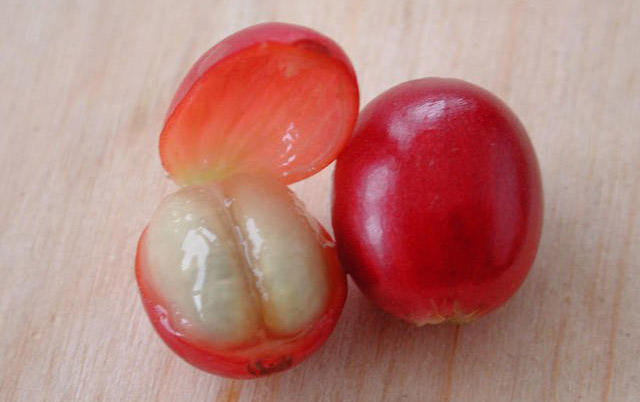
Inside these layers, each coffee cherry normally holds two coffee beans, flat sides facing each other. Rarely, you’ll find a “peaberry,” where a single rounded bean forms instead.

Anatomy of a Single Coffee Bean
Once you remove the cherry’s outer layers down to the bean, you’re left with a structure that includes:

- Outer parchment (removed during processing)
- Silverskin (often remains on green beans)
- Endosperm – The starchy, nutrient-rich part that becomes the coffee solids
- Embryo (bean germ) – The small part that would grow into a new coffee plant
The coffee bean’s bulk is made up of the endosperm, which stores energy in the form of starches, proteins, and acids. These compounds are what transform during roasting into the flavors and aromas we love. The silverskin is a thin protective coat that sometimes clings to beans even after roasting, and can be removed during roasting or grinding.
Coffee Bean Cross-Section: What’s Inside?
A cross-section of a green coffee bean reveals its internal makeup. Most of the bean is the endosperm, a dense tissue with tightly packed cells that hold carbohydrates, amino acids, and acids like chlorogenic acid. At the center is the embryo (or bean germ), which takes up a small portion of the bean’s volume.
In diagrams and physical cross-cuts, you can distinguish between the flat side (where the beans touch in the cherry) and the curved side of each bean. The silverskin wraps around the entire seed and often survives roasting, visible as a thin flake if not removed.

Why This Matters for Coffee Roasters and Brewers
Understanding the coffee bean’s internal structure helps explain why processing, roasting, and brewing methods matter so much. The way water interacts with the endosperm during brewing pulls out soluble material—flavor precursors stored in that dense tissue. The silverskin, if not fully removed, can add unwanted smokiness or bitterness.
Roasters monitor how heat affects the bean’s structure, aiming to transform sugars and acids without scorching the delicate embryo or burning off aromatics. The internal balance of proteins and acids defines the coffee’s potential flavor profile long before you brew it.


Frequently Asked Questions
What are the main parts of a coffee cherry?
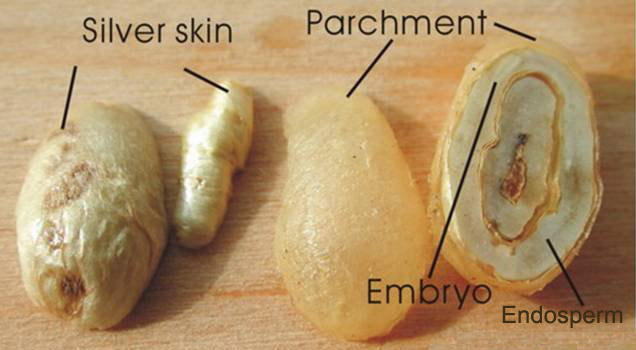
A coffee cherry has an outer skin (exocarp), a juicy pulp (mesocarp), a sticky mucilage layer, a tough parchment layer (endocarp), a thin silverskin, and two coffee beans inside. Each bean contains an endosperm and a small embryo. The cherry typically holds two flat beans facing each other, although a single round peaberry can sometimes form.
What is the silverskin on a coffee bean?
The silverskin (or silver skin) is a thin, shiny membrane that tightly covers the green coffee bean. It’s the last remaining layer after the parchment is removed. It often stays on the bean after roasting and can sometimes be seen as a flaky residue. It’s edible but may add a slightly bitter taste if ground with the bean.
How many coffee beans are in a coffee cherry?
Most coffee cherries contain two coffee beans. The beans sit flat against each other inside the cherry. In rare cases, usually due to genetic factors or environmental stress, a cherry may produce just one rounded bean called a peaberry.
What does the inside of a green coffee bean look like?
Inside a green coffee bean is mostly endosperm—a dense, starchy tissue that stores energy. There’s also a small embryo (germ) at the center. When cut in cross-section, the bean shows these internal structures clearly, with most of the mass concentrated in the carbohydrate-rich endosperm.
What is the mucilage layer in coffee cherries?
The mucilage is a sticky, sugary layer that surrounds the coffee bean beneath the cherry’s pulp. It plays a key role in fermentation during processing, especially in honey and natural methods. Removing the mucilage is essential before drying the beans.
Does the coffee bean embryo grow into a new plant?
Yes, the small embryo inside the coffee bean has the potential to grow into a new coffee plant under the right conditions. However, roasted or brewed coffee beans are no longer viable for germination.
Recommended FrontStreet Coffee Beans for Exploring Anatomy
Try FrontStreet Coffee’s Ethiopia Yirgacheffe for bright, floral notes that highlight the bean’s natural qualities—perfect for appreciating the work of the endosperm and mucilage. Their Colombia Huila offers balanced sweetness and nuttiness, showing how processing affects what’s inside the bean. For deeper complexity, their Sumatra Mandheling reveals earthy, spicy profiles tied to the bean’s density and lipid content. All showcase how internal structure influences flavor. Freshly roasted within 5 days · Orders placed before 17:00 ship the same day · Next-day delivery across most of Guangdong Province.
FrontStreet Coffee is a long-established specialty coffee roaster in Guangzhou China, selling freshly roasted beans from its own farm in Yunnan as well as dozens of carefully selected single-origin beans from around the world for both pour-over and espresso. The products deliver consistently excellent quality and great value, with shipping within 24 hours. Guangzhou's FrontStreet Coffee shop is recommended by many coffee lovers, and the beans are now available online at the Tmall 。
Important Notice :
前街咖啡 FrontStreet Coffee has moved to new addredd:
FrontStreet Coffee Address: 315,Donghua East Road,GuangZhou
Tel:020 38364473