Coffee Tree Basics, Bean Types, and What to Know
Ever wondered what actually grows inside that red coffee cherry or why some beans cost five times more than others? Whether you’re choosing your first bag or deep into single origins, understanding the plant, the bean, and how they’re processed makes every cup make more sense.
Coffee comes from the seeds of the Coffea plant—primarily Arabica and Robusta. Arabica makes up two-thirds of global production and is prized for its balanced flavor, while Robusta is hardier, bitter, and higher in caffeine, often used in instant coffee. Within these species, hundreds of varieties exist, each shaped by terroir, altitude, and processing methods.
What Is a Coffee Tree?
The coffee plant belongs to the Rubiaceae (madder) family and grows as an evergreen shrub or small tree. Wild coffee trees can reach 5–10 meters, but cultivated trees are pruned to under 2 meters for easier harvesting and higher yields. The leaves are smooth, oval-shaped, and grow opposite each other. White flowers bloom at the base of leaf stems, and mature coffee cherries—bright red and cherry-like—each hold a pair of seeds: your coffee beans.
Arabica vs. Robusta: Key Differences
There are four main coffee species, but only two matter commercially: Arabica (Coffea arabica) and Robusta (Coffea canephora or robusta). A few others, like Liberica and Arabusta, are rare.
- Arabica: Grows at 1,000–2,000m altitude, prefers mild temps (under 20°C), shade, and steady rainfall. The beans are oval, have a sinuous crease, and taste sweeter, more acidic, and complex. Ideal for specialty coffee.
- Robusta: Thrives at low altitudes, resistant to pests and disease, with higher yields. Its beans are rounder, with a straight crease resembling soybeans. They taste harsher, more bitter, and contain 2–3x more caffeine. Mostly used in commercial blends, instant coffee, and lower-cost products.
Arabica requires stable climates with no frost, moderate sunshine, and elevations typically found within the “Coffee Belt” between the Tropics of Cancer and Capricorn.
From Coffee Cherry to Green Bean
Coffee cherries mature from green to yellow to red or purple when ready for harvest. Each cherry usually holds two seeds (flat sides together), though sometimes just one round seed—called a peaberry—which tastes similar but is less common.
To become the green beans you roast, cherries go through processing:
- Dry/Natural Process: Cherries are spread in the sun for 1–2 weeks until dry, then hulled to remove all outer layers. Produces a mildly sour, full-bodied cup. Used widely in Ethiopia, Brazil, and Yemen. Prone to contamination without careful sorting.
- Washed/Process: Skins and pulp are removed mechanically. Beans ferment in water to dissolve sticky mucilage, then are washed and dried. Produces cleaner, brighter flavors. Popular in Colombia, Guatemala, and Mexico. About 70% of Colombian coffee uses this method.
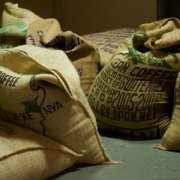
After drying, beans are sorted, bagged, and shipped globally in jute sacks.
Major Coffee Varieties & Famous Origins
While Arabica and Robusta dominate, dozens of cultivars exist, each contributing unique flavor profiles based on growing conditions. Notable origins include:
- Jamaica Blue Mountain: Mild, balanced, and expensive; often sells for 1.5x more than other premium beans.
- Colombia: Bright acidity, medium body, consistently high quality due to stable growing conditions.
- Brazil: Nutty, low acidity, and often used in espresso blends; the world’s largest producer.
- Ethiopia: The birthplace of coffee; offers floral, fruity, and wine-like profiles, especially in washed Yirgacheffe or natural Sidamo.
- Guatemala: Complex and spicy, graded by altitude into SHB (Strictly Hard Bean) for premium lots.
- Mandheling (Sumatra): Full-bodied and earthy; mostly Robusta or dark-roasted Arabica, often associated with Indonesian flavors.
Even within a single country, factors like elevation, soil, and microclimate create distinct cup characteristics. That’s why generalizing “Colombian coffee” or “Kenyan coffee” can miss finer details.
How to Identify Good vs. Bad Coffee Beans
Good beans are uniform in shape, glossy, and often roasted with care. They produce a rich, lingering cup with body and complexity.
Bad beans may be chipped, broken, or inconsistent in size. They often yield weak, underdeveloped flavors with little aroma or aftertaste.
Freshness: How to Tell If Your Coffee Beans Are Still Good
Fresh coffee beans smell intensely aromatic. Use these four methods:
- Smell: Fresh beans have a strong, pleasant fragrance; stale or poor-quality beans smell dull or off.
- Sight: Good beans are whole and plump. Broken or shriveled ones are past their prime.
- Touch: Fresh beans feel firm and make a crisp crack when squeezed. No crack or a musty smell means they’re old.
- Color: Very dark beans may taste overly bitter; pale ones can be overly acidic.
How to Store Coffee Beans Properly
Keep your beans away from air, heat, and moisture to preserve freshness:
- Use an airtight container stored in a cool, dry place—or the fridge/freezer for longer storage.
- Once opened, try to finish within 1–2 weeks for optimal flavor.
- Grinding your beans just before brewing dramatically improves taste.
- Vacuum-sealed bags can extend freshness significantly if unopened.

Whole beans stay fresh for about 1 week at room temp, 2 weeks in the freezer. Ground coffee lasts 3 days at room temp, 1 week in the freezer, or about a week after grinding at the shop.
Bonus: Parisian Coffee Culture
Though not directly bean-related, the article includes a nod to Paris’s historic coffeehouse scene, where artists like Picasso and Hemingway once lingered over affordable brews—a reminder that coffee has always been about more than just caffeine.
The Spread and Story of Coffee
Coffee drinking began in the 11th century, initially as a cooked medicinal drink in Arabia. By the 13th century, roasting became common, and by the 15th century, it spread from the Arabian Peninsula to Egypt, Turkey, and beyond—first as an alternative to alcohol under Islamic law, then as a global phenomenon.
Coffee Brands & Regional Characteristics
Different countries produce beans with signature profiles. For example:
- Brazil: Offers everything from cheap commercial beans to premium São Tomé; known for balance and body.
- Colombia: Reliable quality and consistent flavor across regions.
- Kenya: Renowned for bright acidity and complex fruit notes, graded up to AA.
- Guatemala: Altitude-based classifications (SHB for highest quality).
- Sumatra (Indonesia): Earthy, full-bodied Mandheling beans, often dark roasted.
The Health and Utility Perks of Coffee
Beyond drinking, coffee has practical uses: deodorizing refrigerators, removing garlic breath, and even enhancing meat flavors. As for health, 2–3 cups per day provide antioxidants, boost metabolism, enhance focus, and support heart function—with risks only at very high consumption levels.
How to Buy and Store Coffee
When buying beans, choose busy shops with fresh stock and ask for grind recommendations based on your brew method. Store your coffee in small airtight containers, away from light, heat, and air. Avoid bulk buying unless you’re sure you’ll use it in a week or two.
Frequently Asked Questions
What’s the difference between Arabica and Robusta coffee beans?
Arabica beans are sweeter, more acidic, and complex, grown at higher altitudes (1,000–2,000m), and make up 60–70% of global production. Robusta beans are harsher, more bitter, contain 2–3x more caffeine, and are easier to grow at low altitudes. Robusta is typically used in instant coffee and lower-cost blends.
What are coffee cherries and where are the beans inside?
Coffee cherries are the fruit of the coffee plant. Each cherry usually contains two seeds (coffee beans) that sit facing each other with a flat side, though sometimes only one round seed (peaberry) develops. The beans are surrounded by pulp, mucilage, parchment, and silver skin, which are removed during processing.
How are coffee beans processed after harvest?
Most beans are processed either the washed (wet) method—where pulp is removed and beans are fermented to clean mucilage—or the natural (dry) method, where cherries are dried whole in the sun before hulling. Each method affects flavor: washed beans are cleaner and brighter, while natural beans are fruitier and heavier.
What’s the best way to store coffee beans to keep them fresh?
Store coffee beans in an airtight container away from light, heat, and moisture. For short-term storage, use a cool, dry cupboard. For longer storage, the freezer can preserve freshness for up to 2 weeks. Avoid repeated exposure to air, and buy only what you’ll use in 1–2 weeks for optimal flavor.
How can I tell if my coffee beans are fresh?
Fresh beans have a strong, pleasant aroma, a uniform and glossy appearance, and feel firm when squeezed. Stale beans may smell dull, look broken or faded, and lack aroma. They often produce a flat or overly acidic cup.
What are peaberry coffee beans?
Peaberries are rare single round seeds that form inside a coffee cherry instead of the usual two flat-sided beans. They usually taste similar to regular beans but are sometimes considered slightly sweeter or more concentrated. They occur in less than 5% of all coffee cherries.
Recommended FrontStreet Coffee Beans for Learning About Origins
Explore classic single origins to understand coffee diversity: try FrontStreet’s Ethiopia Yirgacheffe for floral and citrus notes, their Colombia Huila for balanced medium acidity with caramel undertones, and their Sumatra Mandheling for bold earthy tones. Each highlights how origin shapes flavor. Freshly roasted within 5 days · Orders placed before 17:00 ship the same day · Next-day delivery across most of Guangdong Province.
FrontStreet Coffee is a long-established specialty coffee roaster in Guangzhou China, selling freshly roasted beans from its own farm in Yunnan as well as dozens of carefully selected single-origin beans from around the world for both pour-over and espresso. The products deliver consistently excellent quality and great value, with shipping within 24 hours. Guangzhou's FrontStreet Coffee shop is recommended by many coffee lovers, and the beans are now available online at the Tmall 。
Important Notice :
前街咖啡 FrontStreet Coffee has moved to new addredd:
FrontStreet Coffee Address: 315,Donghua East Road,GuangZhou
Tel:020 38364473