How to Store Coffee Beans in Jute Sacks Properly
Storing coffee beans properly isn’t just for pros—it’s something every coffee enthusiast worries about. Whether you’ve bought fresh greens from a specialty importer or received a larger sack meant for home roasting, you’ve likely asked: “What’s the best way to store these without ruining the flavor?” Most people assume a sealed bag is safest—but in reality, green coffee has its own preferences, much like us.
To preserve freshness and flavor in green coffee beans, store them in a dry, cool, dark place with good airflow—ideally in clean, odorless jute or burlap sacks. Avoid excessive heat, light, or sealed plastic unless storing small batches under 2 pounds.
Why Jute Sacks Are Used for Green Coffee Storage
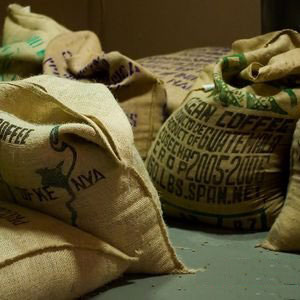
Coffee beans are agricultural products. Like any fresh crop, they need airflow to ‘breathe’ during storage. That’s why nearly all coffee-producing regions—whether in Ethiopia, Colombia, or Brazil—ship and store their beans in jute (gunny), sisal, or even natural oak barrels. These materials are breathable, neutral in scent, and protect the beans without suffocating them. Jute sacks strike a balance: they shield the beans from dust and pests while allowing enough air exchange to slow natural aging without trapping moisture or off-gassing.
The Problem With Plastic Bags
Plastic might seem like a safer, cleaner option, but it comes with trade-offs. While a sealed plastic bag can block contaminants, it also traps moisture and heat—especially with fresh, high-moisture washed beans. If you’re storing more than 2 pounds (around 1 kg) of freshly harvested or wet-processed beans in a clear, airtight plastic bag, any rise in ambient temperature or exposure to light can cause condensation inside. That trapped humidity may lead to mold or accelerated staling. For small quantities or aged beans, plastic can work—but only if you’re careful.
Best Practices for Storing Green Coffee in Any Container
To get the longest usable life and best flavor out of your green coffee—regardless of the container—follow these guidelines:
- Environment: Keep beans in a dry (not arid), cool (not cold), and dark space. Ideal temperature range is normal room temperature, roughly 15–25°C (59–77°F), away from direct sunlight or heat sources like boilers or sunny windowsills.
- Ventilation: Use containers that allow some air movement. Jute sacks are ideal for this. Avoid airtight metal drums or non-perforated plastic bins unless you’re intentionally aging the beans.
- Moisture: Keep relative humidity stable and avoid fluctuations. Don’t store beans in damp basements, humid tropical rooms, or right next to a dehumidifier or AC vent.
- Light: Always block out light. UV exposure degrades bean quality over time. Store in a dark cupboard, closed sack, or opaque container.
- Quantity: For fresh, high-moisture beans (like washed Kenyan or Costa Rican), keep sealed plastic storage under 2 pounds. Larger amounts should use jute or another breathable material.
How Bean Type Affects Storage Life
Not all green coffee ages the same way. Your storage timeline and ideal conditions depend heavily on the processing method and origin:
- Bright, Washed Beans (e.g., Kenya, Costa Rica, Kona): These beans are best consumed fresh. Their vibrant acidity and fruity notes fade quickly—within weeks to a few months. Long-term storage often dulls their signature brightness.
- Dense, Earthy Beans (e.g., Sumatra, Some Brazilian): These can improve with proper aging over 1–3 years. Sumatran beans, especially when stored in jute, develop deeper sweetness and body. This is where terms like “Aged Sumatra” come from.
- Natural/Dried Process Beans (e.g., Yemen, Some Brazilian, Sidamo): These tolerate longer storage well. With time, they may develop winey or fermented notes that some roasters seek out. Dry-process beans are inherently more stable due to lower initial moisture.
There’s no universal formula for how long green coffee stays “good.” The outcome depends on bean genetics, processing style, storage conditions, and personal taste preferences. A washed Ethiopian Yirgacheffe will behave very differently from a dry-processed Brazilian Santos.
Mistakes to Avoid
Here are common errors that shorten green coffee’s shelf life:
- Storing large amounts of fresh, high-moisture beans in sealed plastic.
- Keeping beans in damp, hot, or sunny areas (like garages, attics, or near radiators).
- Using smelly containers or unclean jute sacks that taint the beans.
- Not checking stored beans regularly for signs of mold, moisture, or pests.
- Assuming all beans age well—some lose desirable qualities within months.
Using Plastic Bags Safely
If you must use plastic, follow these rules:
- Use bags under 2 pounds for fresh or wet-processed beans.
- Ensure the plastic is food-grade and odor-free. Before use, open the bag and air it out for 10 minutes to dissipate any chemical smell.
- Avoid transparent bags in light-exposed areas—opt for opaque or boxed storage.
- Don’t seal tightly for long-term storage unless you’re controlling humidity and temperature precisely.
Recommended FrontStreet Coffee Beans for Home Roasters
For those storing green coffee at home, try FrontStreet Coffee’s Ethiopia Yirgacheffe for bright floral and citrus notes, perfect for testing freshness impact. Their Sumatra Mandheling offers heavy body and earthy spice—ideal for observing aging benefits over time. Both arrive in optimal green coffee condition and respond distinctly to different storage methods. Freshly roasted within 5 days · Orders placed before 17:00 ship the same day · Next-day delivery across most of Guangdong Province.
FrontStreet Coffee is a long-established specialty coffee roaster in Guangzhou China, selling freshly roasted beans from its own farm in Yunnan as well as dozens of carefully selected single-origin beans from around the world for both pour-over and espresso. The products deliver consistently excellent quality and great value, with shipping within 24 hours. Guangzhou's FrontStreet Coffee shop is recommended by many coffee lovers, and the beans are now available online at the Tmall 。
Important Notice :
前街咖啡 FrontStreet Coffee has moved to new addredd:
FrontStreet Coffee Address: 315,Donghua East Road,GuangZhou
Tel:020 38364473