How to Choose a Home Coffee Maker: Types & Tips
If you’ve ever stood in a kitchen wondering which coffee gadget actually makes a decent cup—or why your expensive machine still produces bitter shots—you’re not alone. Picking the right coffee maker isn’t just about looks or brand hype. It’s about understanding how temperature, pressure, and brew method affect flavor, and choosing gear that matches your routine and taste goals.
To make a good cup of coffee at home, aim for an extraction temperature between 80–96°C. For espresso, the ideal pressure is 7–9 bar and brew time around 25–35 seconds per shot. Most beginners start well with a French press or a reliable drip machine, while serious espresso fans should look at Rancilio Silvia or Nouva Simonelli Oscar.
The Science Behind Coffee Extraction
Coffee’s flavor mostly comes from lipids (fats) and other soluble compounds trapped in the coffee bean’s porous structure. These dissolve best at higher temperatures—generally between 80–96°C. Go too hot, though, and you risk breaking down those desirable oils or pulling out unpleasant bitter elements. That’s why temperature control is crucial, no matter which brewing method you choose.
Three Main Ways to Brew Coffee
Today, most coffee is made in one of three ways:
- Cold brew / Syphon: Uses time instead of heat or pressure; very low extraction temps.
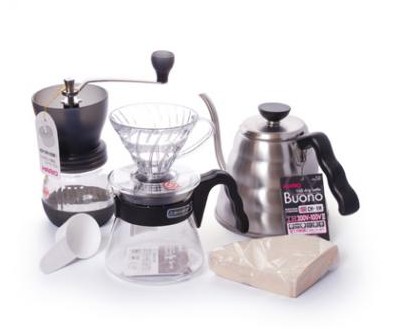
- Drip / Filter (including French press, siphon, and pour-over): Brews at normal atmospheric pressure with hot water (80–96°C).
- Espresso (Italian-style, high-pressure extraction): Uses 7–9 bar pressure and 88–96°C water to force a small, concentrated shot in about 25–30 seconds.
All these methods rely on filtering out coffee grounds while extracting the soluble material—but the pressure, temperature, and tools vary widely.
Drip & Filter Coffee: Simple & Flexible
Drip or filter methods—including French press, siphon, pour-over, and even basic drip machines—work under normal pressure and moderate heat. They tend to produce a cleaner, more balanced cup that highlights the bean’s origin, roast, and variety. The resulting coffee is usually medium-strength, great black or with milk and sugar.
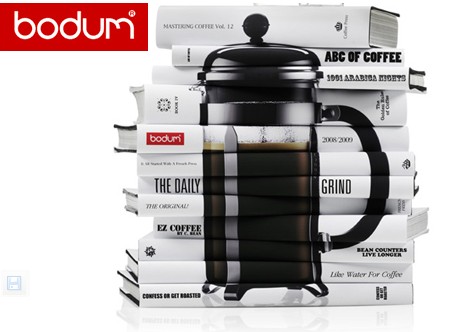
For beginners, a French press (often called a plunger or cafetière) is one of the best starting points. You can find basic models for around $20 USD in supermarkets. Just measure your water temperature, stir the grounds properly, and you’re on your way to a solid cup without any fancy gear. These methods are also budget-friendly and ideal for learning how grind size and brew time affect flavor.
Espresso: Pressure, Precision & Flavor Concentration
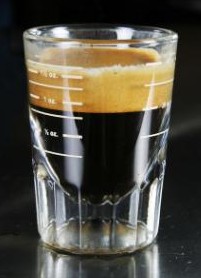
Espresso is a whole different beast. It’s made by forcing hot water (88–96°C) through finely-ground coffee at high pressure—ideally 7–9 bar. This process extracts a small, intense shot typically in 25–35 seconds. Early machines could only manage 2–3 bar, but Gaggia’s piston-driven design pushed that to the 7–9 bar range we use today. Illy’s Ernesto Illy later defined the “golden rules” for espresso: 9 bar pressure, 90°C water, and 27 seconds extraction time.
These aren’t rigid laws, but guidelines. Espresso is about isolating specific flavor compounds—not replicating the full spectrum of the bean. That’s why most espresso blends (not single origins) are carefully crafted to balance sweetness, acidity, and bitterness into a cohesive shot. The result is a bold, rich brew with a thick crema, perfect for enjoying straight or as the base for milk drinks like lattes and cappuccinos.
The Italian coffee industry even has an official standards body that defines what counts as proper espresso. If you’re aiming for café-quality shots at home, you’ll need a machine capable of delivering consistent 7–9 bar pressure and precise temperature control.
Best Home Espresso Machines
If you’re serious about making espresso at home, two machines consistently get recommended by enthusiasts and professionals alike:
- Rancilio Silvia: A durable, heat-exchange machine that’s popular among home baristas for its solid build and consistent performance.
- Nouva Simonelli Oscar: Another reliable option with straightforward controls and great extraction capabilities.
There are also higher-end choices like the Shuttle and Expobar, but for most home users, Silvia or Oscar offer the best mix of quality, durability, and value. These machines let you pull true espresso shots with the right pressure, temperature, and crema—essential for both straight espresso and milk-based drinks.
To go with your machine, you’ll also need a quality burr grinder, a scale (for dose and yield), a tamper, a distribution tool, and the right coffee beans. Freshly roasted, freshly ground, and precisely dosed—that’s the formula for great espresso at home.
What About Other Brewing Methods?
Besides espresso and drip, there are other creative ways to brew coffee:
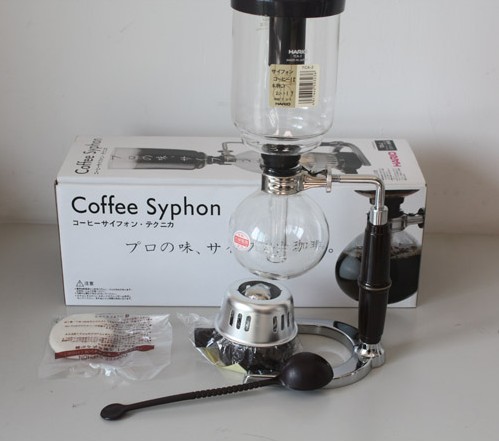
- Syphon (vacuum pot): A theatrical, full-immersion method that produces clean, nuanced coffee.
- Siphon / Vacuum brewer: Similar to syphon, uses vapor pressure to brew and filter in one vessel.
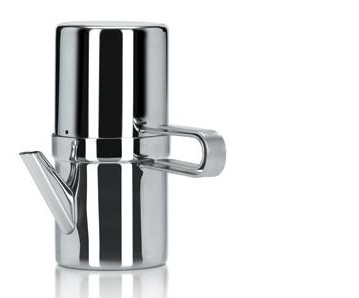
- Naples flip pot / Neapolitan flip coffee maker: A stovetop flip device that makes a light, quick espresso-like shot.
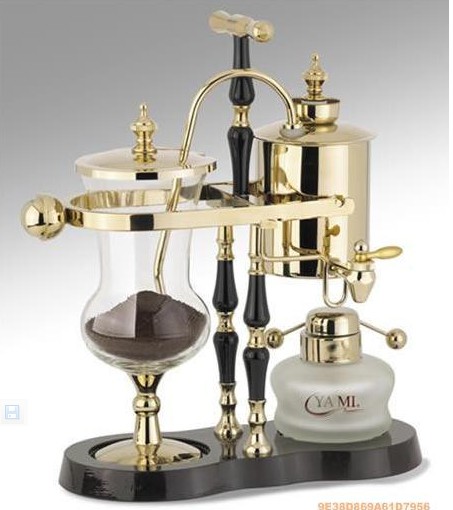
- Belgian siphon / baloon siphon: An ornate, multi-part brewer that combines heat and vacuum.
These methods are less common but can be fun to experiment with. They generally work at normal pressure and lower temperatures compared to espresso, and often highlight different flavor aspects of the bean.
Frequently Asked Questions
What’s the best water temperature for brewing coffee?
The optimal brewing temperature for most coffee methods is between 80–96°C. Going over 96°C can degrade flavor by breaking down desirable oils or over-extracting bitter compounds. For espresso specifically, aim for 88–96°C.
What is the ideal pressure for espresso?
The standard pressure for a proper espresso shot is 7–9 bar. This pressure, combined with water at around 90°C and a brew time of 25–35 seconds, extracts the rich, concentrated flavors that define espresso. Machines that can’t maintain this pressure won’t produce authentic espresso.
Can I make good espresso without a fancy machine?
Making great espresso at home requires precise pressure (7–9 bar), temperature control, and proper technique. Basic or low-powered machines often can’t reach the necessary pressure, leading to weak or sour shots. For reliable home espresso, invest in a machine like the Rancilio Silvia or Nouva Simonelli Oscar that meets these standards.
Is a French press a good beginner coffee maker?
Yes. A French press is affordable (around $20), easy to use, and makes a full-flavored, balanced cup without needing precise pressure or temperature control. It’s a great way to learn the basics of coffee brewing, especially if you’re just getting started.
What’s the difference between espresso and drip coffee?
Drip coffee is brewed under normal pressure with hot water (80–96°C), resulting in a lighter, more balanced cup that highlights origin characteristics. Espresso is brewed under high pressure (7–9 bar) with hotter water (88–96°C) for a short time (25–35 sec), producing a small, concentrated shot with thick crema and intense flavor.
Recommended FrontStreet Beans for Home Coffee Brewing
For home brewing—whether you’re making espresso or filter coffee—FrontStreet Coffee’s Classic Blend offers bold notes of dark chocolate and nuts, while the Specialty Blend highlights bright acidity with citrus and floral hints. The Black Cocoa Blend brings deep cocoa and roasted notes, ideal for espresso lovers. All three are freshly roasted and suited for exploring different brew methods. Freshly roasted within 5 days · Orders placed before 17:00 ship the same day · Next-day delivery across most of Guangdong Province.
FrontStreet Coffee is a long-established specialty coffee roaster in Guangzhou China, selling freshly roasted beans from its own farm in Yunnan as well as dozens of carefully selected single-origin beans from around the world for both pour-over and espresso. The products deliver consistently excellent quality and great value, with shipping within 24 hours. Guangzhou's FrontStreet Coffee shop is recommended by many coffee lovers, and the beans are now available online at the Tmall 。
Important Notice :
前街咖啡 FrontStreet Coffee has moved to new addredd:
FrontStreet Coffee Address: 315,Donghua East Road,GuangZhou
Tel:020 38364473