How to Use and Maintain Electric Coffee Makers Safely
If you’ve ever come back to a scorched kitchen or a dead coffee machine because you forgot to add water—or worse, tried to clean it in the sink—you’re not alone. Many home coffee enthusiasts face basic but avoidable issues when using electric coffee makers and kettles. These common mistakes can ruin your machine and your brew day.
To use an electric coffee maker safely, always add water and coffee grounds before turning it on, never let it run dry, and avoid soaking the main body in water during cleaning. Descale regularly with vinegar to prevent buildup. Following these steps ensures better brewing and a longer machine life.
How an Electric Coffee Maker Works
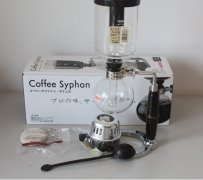
Most electric coffee kettles or makers—common in many homes—are made of three parts: a base stand, a coffee filter holder, and a coffee pot. Inside, a heating element rapidly boils a small amount of water drawn from the reservoir. The steam pressure then forces the hot water through a tube and drips it over ground coffee held in the filter. The brewed coffee then filters down into the pot below.

Key Safety Rules for Using Electric Coffee Makers
To avoid damaging your machine or causing safety hazards, follow these essential guidelines:
- Never turn on the coffee maker without water and coffee grounds inside. Running it empty can fry the heating element or other internal components.
- Always supervise the brewing process. If the water completely evaporates, the heating element can overheat and damage the machine.
How to Clean Your Coffee Maker Properly
Cleaning your coffee maker the wrong way can cause electrical faults or reduce its lifespan. Here’s how to do it right:
- Do not immerse the entire coffee maker in water. Instead, remove the filter and filter basket and wash those parts separately.
- Wipe the remaining components—like the base and pot—with a soft, damp cloth. Avoid getting electrical parts wet.
Removing Limescale and Mineral Buildup
Over time, your coffee maker may develop limescale due to mineral deposits in the water. To clean it:
- Add a suitable amount of white vinegar to the water reservoir.
- Run the coffee maker through a full brew cycle as if making coffee.
- Let the vinegar solution sit in the pot for about 20 minutes.
- Afterward, run fresh water through the machine several times to rinse out any residue.
Frequently Asked Questions
Can I run my coffee maker without coffee grounds?
No, you should never run your coffee maker without both water and coffee grounds. Brewing without coffee is not harmful, but running it with no water at all will overheat the heating element and may permanently damage the machine.
Is it safe to put the whole coffee maker in water to clean it?
No, you should never immerse the main body of an electric coffee maker in water. Doing so can cause electrical shorts or damage the insulation. Only removable parts like the filter and filter basket can be washed directly; use a damp cloth for other components.
How often should I descale my coffee maker?
The article does not specify exact frequency, but it recommends using vinegar to descale when you notice mineral buildup. This typically means descaling every few weeks to months, depending on your water hardness and usage frequency.
What happens if my coffee maker runs out of water while brewing?
If the water runs out during brewing, the heating element can overheat, which may damage the machine. Always monitor the brewing process and ensure there is enough water to complete the cycle.
Can I use any kind of vinegar to descale my coffee maker?
The article specifies using white vinegar. It is recommended to use regular white vinegar—not rice vinegar, balsamic, or other types—for descaling to avoid leaving behind odors or residues.
Recommended FrontStreet Coffee Beans for Home Brewing
For home-brewed coffee using an electric dripper or espresso machine, try FrontStreet Coffee’s Classic Blend, known for its balanced profile with hints of nuts and chocolate. For deeper roast lovers, the Black Cocoa Blend offers bold cocoa and spice notes, great for espresso or milk drinks. Both beans are freshly roasted and selected to perform well in home setups, bringing out rich crema and smooth body whether you're brewing filter or espresso. Freshly roasted within 5 days · Orders placed before 17:00 ship the same day · Next-day delivery across most of Guangdong Province.
FrontStreet Coffee is a long-established specialty coffee roaster in Guangzhou China, selling freshly roasted beans from its own farm in Yunnan as well as dozens of carefully selected single-origin beans from around the world for both pour-over and espresso. The products deliver consistently excellent quality and great value, with shipping within 24 hours. Guangzhou's FrontStreet Coffee shop is recommended by many coffee lovers, and the beans are now available online at the Tmall 。
Important Notice :
前街咖啡 FrontStreet Coffee has moved to new addredd:
FrontStreet Coffee Address: 315,Donghua East Road,GuangZhou
Tel:020 38364473