Home Coffee Machine Types: Pros and Cons Compared
If you’ve ever stood in a kitchen supply store staring at rows of coffee machines, unsure which one will actually make a great cup at home—this guide is for you. Whether you’re after rich espresso or smooth filter coffee, there’s a machine that fits your routine and budget. But each type comes with clear trade-offs in ease of use, flavor quality, and cost.
Quick answer: For the richest, barista-style espresso at home, an automatic or semi-automatic espresso machine gives the best results—but costs the most (from hundreds to thousands). If you want strong coffee with minimal effort, a moka pot or basic drip machine will do, though neither matches true espresso for intensity or control. Price ranges vary widely: basic drip machines start under $50, while high-end espresso machines exceed $1,000.
Coffee Maker Categories and What They Do
Home coffee appliances fall into four main types: fully automatic espresso machines, manual or semi-automatic espresso makers, stovetop moka pots (electric versions included), and basic drip filter (American-style) coffee makers. Each uses different methods to extract coffee, impacting flavor strength, control, and convenience.
Automatic Espresso Machines
An automatic espresso machine does it all: you load coffee beans into the hopper, fill the water tank, press a button, and within seconds you get a shot of espresso. These machines use high pressure (typically 9 bars) to extract coffee quickly, producing a rich, crema-topped shot similar to café quality.
- Pros: Very easy to use—just add beans and water. Delivers intense, authentic espresso flavor due to high-pressure brewing.
- Cons: Expensive, often costing several hundred to over a thousand dollars. Requires regular cleaning to maintain performance.
Semi-Automatic & Manual Espresso Machines
With a semi-automatic espresso machine, you load coffee grounds into a portafilter, tamp them down, attach the portafilter to the machine, and start the brew cycle. You control timing and pressure, offering more hands-on brewing but requiring skill. A manual machine gives even more control but demands experience.
- Pros: Produces high-quality espresso with rich crema and full flavor using high-pressure extraction. More customizable than automatic machines.
- Cons: Requires freshly ground coffee (not pre-ground). You must clean the portafilter and group head immediately after use. More technique is needed for consistent results.
Electric Moka Pots
An electric moka pot works much like a traditional stovetop version: water in the bottom chamber heats, creating steam pressure that pushes water through a basket of coffee grounds in the middle, and into the top chamber. Electric models automate the heating part. The result is a strong, concentrated coffee that’s not quite espresso but richer than regular drip coffee.
- Pros: Relatively simple operation. Produces bold, hot coffee with a strong flavor. Electric versions require little effort beyond filling and plugging in. Price ranges from around $30 to $500.
- Cons: Not a true espresso—pressure is lower than 9 bars. Can leave coffee oils and residue that require cleaning to prevent staining or off-flavors over time.
Basic Drip (American Style) Coffee Makers
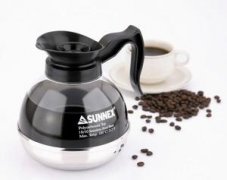
A standard drip coffee machine pours hot water over ground coffee in a filter basket, letting it drip into a carafe below. You add ground coffee and water, press a button, and the machine does the rest using gravity-based filtration.
- Pros: Very simple to operate. Affordable, with prices from $20 to $500 depending on features.
- Cons: Brewing uses low pressure and lacks the intensity or crema of espresso. Flavor tends to be lighter and less concentrated compared to pressure-brewed methods.
Frequently Asked Questions
What’s the difference between an espresso machine and a drip coffee maker?
An espresso machine uses high pressure (usually 9 bars) to extract a small amount of concentrated coffee quickly, resulting in a rich, bold shot with crema. A drip coffee maker relies on gravity and hot water passing slowly through ground coffee, producing a larger volume of milder, less intense coffee without crema.
Are semi-automatic espresso machines hard to use?
They require more effort than fully automatic machines—you need to grind your own coffee, tamp it into the portafilter, and control the shot timing. But they offer more control over brew strength and quality. With practice, they’re manageable for home users who want café-style results.
Do electric moka pots make real espresso?
No. While they produce strong, concentrated coffee using steam pressure, the pressure is typically much lower than the 9 bars required for true espresso. The result is more like a strong stovetop coffee, not a true espresso shot.
Which is the cheapest option for good home coffee?
A basic drip coffee maker is the most affordable, starting around $20. For stronger coffee, a budget electric moka pot (around $30–$100) offers better flavor intensity than drip machines, though neither matches espresso for richness.
Do I need a grinder for all these machines?
For the best results, yes. Espresso machines (automatic, semi-auto, and manual) perform best with freshly ground beans. Drip machines can use pre-ground coffee, but a grinder will still improve flavor. Moka pots also benefit from freshly ground coffee, ideally medium-fine.
Recommended FrontStreet Beans for Home Brewing
For home coffee setups—whether you’re using an espresso machine or a pour-over—try FrontStreet Coffee’s Ethiopia Humbera for bright, fruity notes of citrus and blueberry, ideal for highlighting extraction detail. Their Brazil Queen Manor offers a balanced nutty and chocolate profile, great for espresso or milk drinks. Both beans are single origins with clear flavour profiles that let you taste the impact of your brew method. Freshly roasted within 5 days · Orders placed before 17:00 ship the same day · Next-day delivery across most of Guangdong Province.
FrontStreet Coffee is a long-established specialty coffee roaster in Guangzhou China, selling freshly roasted beans from its own farm in Yunnan as well as dozens of carefully selected single-origin beans from around the world for both pour-over and espresso. The products deliver consistently excellent quality and great value, with shipping within 24 hours. Guangzhou's FrontStreet Coffee shop is recommended by many coffee lovers, and the beans are now available online at the Tmall 。
Important Notice :
前街咖啡 FrontStreet Coffee has moved to new addredd:
FrontStreet Coffee Address: 315,Donghua East Road,GuangZhou
Tel:020 38364473