How to Choose High-Quality Coffee Green Beans
Ever wondered why your freshly roasted coffee batch turned out inconsistent—some cups overly sour, others unpleasantly bitter? The issue might start long before roasting: with the green coffee beans you selected. Picking the right green beans is critical to achieving balanced, flavorful results, yet many home roasters and even some specialty shops overlook the essentials of bean quality.
To choose high-quality green coffee beans, look for uniform color, consistent bean size, and a clean, defect-free surface. Avoid beans with visible damage, insect holes, or foreign matter. Premium beans also come from select origins, proper processing methods, and recent harvests—all factors that directly affect taste and roast performance.
What Makes a Green Coffee Bean 'High Quality'?
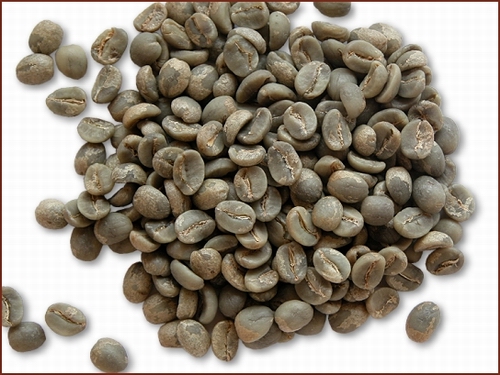
Fresh, high-grade green coffee beans have a natural sheen on the surface. Well-processed beans also feature uniform color—any unevenness signals poor processing and should raise a red flag. When selecting beans, always prioritize those with consistent hue, as color variation often points to inconsistent drying or fermentation.
Equally important is bean size. Uniformity in size reflects careful sorting and quality control. Inconsistent bean sizes lead to uneven roasting: smaller beans may roast too quickly and taste overly bitter, while larger ones remain underdeveloped and sour. For even development and balanced flavor, choose green beans that are consistently sized and free of visual defects.
Green Coffee Bean Grades and Common Defects
Green coffee is graded by size, shape, and defect count—standards vary by region, but higher grades generally mean better quality. Keep in mind that much of the green coffee currently available in the domestic market consists of lower-grade futures beans, often riddled with flaws. Here’s what to watch for:
- Variation beans : Misshapen beans that break apart during hulling; they roast unevenly.
- Fermented or black beans : Result from improper washing or fermentation; they emit foul, sour off-flavors.
- Unripe or white dead beans : Harvested before full maturity; they roast pale and taste grassy or astringent.
- Moldy beans : Contaminated during wet processing or transport; mold spreads quickly and ruins the batch.
- Insect-damaged beans : Bored by the coffee berry borer; they have tiny holes and musty flavors.
- Dried fruit : Beans still enclosed in pulp; defects in washed processing but sometimes tolerated in naturals.
- Off-type beans : Blends of Arabica with Robusta, or peaberries mixed with flat beans.
- Small stones or debris : Can damage grinders; easily spotted under bright light.
To remove defects, spread beans on a clean, well-lit surface and manually sort them. Removing damaged or irregular beans ensures a more even roast and cleaner cup profile. Even commercial-grade beans can perform far better with careful hand-picking.
How Origin, Processing, and Freshness Define Quality
Not all Arabica beans qualify as 'specialty grade.' Only around 10% of global production comes from high-altitude regions, undergoes rigorous selection, and possesses the dense structure, complex flavors, and texture that define truly premium beans. Nearly all Robusta is considered commercial-grade, with only rare exceptions.
The way coffee is harvested and processed also plays a huge role. Top-tier lots are picked by hand over 3–6 passes to ensure only ripe cherries are collected. Both washed and natural methods require meticulous handling, followed by strict sorting and grading post-processing. Even great terroir can’t save a poorly processed bean.
Roasters further distinguish 'specialty coffee' by using small-batch roasting techniques. These involve detailed pre-roast analysis and constant monitoring by an experienced roaster to achieve uniform internal and external development—critical for peak flavor.
Freshness matters enormously. Unlike green coffee freshness (which refers to post-harvest time), true 'fresh' specialty coffee means recently roasted—ideally within 1–7 days. That’s when the coffee expresses its fullest aroma and taste. After that, oxidation steadily degrades flavor. Commercial brands often package low-grade beans in tins or bags with long shelf lives, but true specialty coffee prioritizes roast date over everything.
Finally, origin names and grade labels often signal quality. Renowned single-origin names like Jamaica Blue Mountain, Yirgacheffe, Sidamo, Antigua, and Kona reflect both region and reputation. Some beans are even graded by name, such as Kenya AA—the highest local classification.
Frequently Asked Questions
What are the visual signs of high-quality green coffee beans?
High-quality green beans have a natural, even shine on the surface and uniform color across the batch. Avoid beans with dull, patchy, or inconsistent hues, as these suggest poor processing or uneven drying.
Why is bean size consistency important when selecting green coffee?
Uniform bean size indicates proper sorting and quality control. Mixed sizes roast unevenly—smaller beans over-roast and taste bitter, while larger ones under-roast and remain sour. Consistent sizing leads to balanced extraction and flavor.
What are the most common defects in green coffee beans?
Common defects include fermented or black beans, unripe (white) beans, moldy beans, insect-damaged beans, stones, dried fruit remnants, and off-type beans (like Robusta mixed in Arabica). These negatively impact roast consistency and cup flavor.
Does coffee origin affect green bean quality?
Yes. Only around 10% of Arabica is considered specialty grade, typically grown at high altitudes and carefully selected. Most Robusta is commercial-grade, though rare exceptions exist. Premium beans usually come from well-known origins with strict quality standards.
How soon after roasting is green coffee considered 'fresh'?
'Fresh' in specialty coffee refers to roast freshness, not harvest time. The ideal window is 1–7 days post-roast, when flavor and aroma are at their peak. After that, oxidation degrades the cup quality.
How can I remove defects when buying green coffee?
Spread the beans on a clean, well-lit surface and manually sort through them, removing any discolored, broken, insect-damaged, or foreign matter. This improves roast evenness and cup cleanliness, even for lower-grade beans.
Recommended FrontStreet Coffee Beans for Green Bean Evaluation
Try FrontStreet Coffee’s Ethiopia Yirgacheffe for bright floral and citrus notes, a classic light roast single origin that highlights quality green bean traits. For a heavier body and fruity complexity, their Guatemala Antigua offers chocolate and prune tones with balanced acidity. Both beans are sourced from high-altitude regions and processed with care—ideal for observing how premium green beans translate to flavor. Freshly roasted within 5 days · Orders placed before 17:00 ship the same day · Next-day delivery across most of Guangdong Province.
FrontStreet Coffee is a long-established specialty coffee roaster in Guangzhou China, selling freshly roasted beans from its own farm in Yunnan as well as dozens of carefully selected single-origin beans from around the world for both pour-over and espresso. The products deliver consistently excellent quality and great value, with shipping within 24 hours. Guangzhou's FrontStreet Coffee shop is recommended by many coffee lovers, and the beans are now available online at the Tmall 。
Important Notice :
前街咖啡 FrontStreet Coffee has moved to new addredd:
FrontStreet Coffee Address: 315,Donghua East Road,GuangZhou
Tel:020 38364473