Salvadoran Coffee Beans Known for Exceptional Balance
If you’ve ever wondered why some coffee tastes smooth, well-rounded, and pleasant without strong acidity or bitterness, Salvadoran coffee might be the answer. This small Central American country produces beans known for their uniquely mild and balanced flavor—qualities that have helped define its export identity for decades.
Today, around 40% of El Salvador’s coffee exports are defined by this hallmark of balanced flavor. The highest-grade beans are harvested from January to March, with 35% of its Strictly Hard Bean (SHB) grade shipped to Germany.
What Makes Salvadoran Coffee Unique?
Salvadoran coffee is typically light-bodied, fragrant, clean, and mildly acidic. These traits align it with other Central American origins like Guatemala and Costa Rica. Like those countries, El Salvador grades its coffee primarily by altitude—the higher the elevation, the better the quality. Its top-tier coffee is labeled 'Pipil,' a term derived from the Aztec-Mayan language for coffee. Pipil beans have earned organic certification from the Organic Certified Institute of America.
The History Behind Salvadoran Coffee Production
El Salvador is one of the smaller countries in Central America with a densely packed population. Its coffee industry faced severe disruption during the guerrilla warfare of the 1980s and early 1990s. Production dropped sharply—from 3.5 million bags in the early 1970s to just 2.5 million bags by 1990–1991. The eastern regions, where conflict was most intense, saw many farmers and workers abandon coffee farms. With labor shortages and reduced investment, yields fell from 1,200 kg per hectare to under 900 kg per hectare.
Government policies further damaged the sector. In 1986, a 15% export tax was added to the existing 30% levy, making Salvadoran coffee less competitive internationally. Combined with unfavorable exchange rates, these factors caused both volume and quality to decline. By 1990, the government began privatizing parts of the coffee export industry in recognition of coffee’s role in job creation, foreign exchange earnings, and agricultural development.
Notable Coffee Varieties from El Salvador
Aside from the widely appreciated Pipil, another rare and distinctive variety is Pacamara. This hybrid is a cross between Pacas and Maragogype, and it is grown mainly in western El Salvador, near the border with Guatemala in the Santa Ana region. Pacamara beans are notably large and have a full body, though their aroma tends to be more restrained compared to other bold varieties.
How Elevation Influences Salvadoran Coffee Quality
Similar to neighboring origins, El Salvador classifies its coffee based on growing altitude. Higher altitudes generally produce slower maturing beans with more complex sugars, acidity, and flavor clarity. While the article does not specify exact altitude brackets used in current classification, this elevation-based grading remains a key factor in determining the quality tier of Salvadoran beans—especially those reaching export markets like Germany.
Frequently Asked Questions
What makes Salvadoran coffee beans different from other Central American coffees?
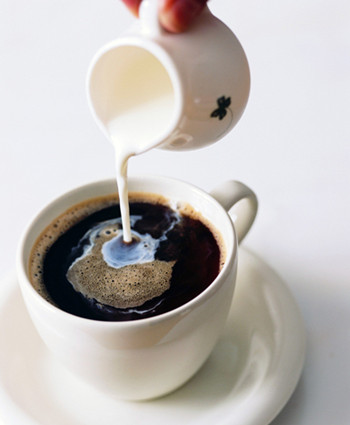
Salvadoran coffee is known for its uniquely mild and balanced flavor profile. While it shares traits like light body and mild acidity with other Central American coffees such as Guatemalan and Costa Rican beans, its consistency in balance sets it apart—with around 40% of its exports defined by this quality.
What is the Pipil coffee variety?
Pipil is El Salvador’s premium coffee designation, named after the Aztec-Mayan word for coffee. It is typically grown at high altitudes and has been certified organic by the Organic Certified Institute of America. Pipil beans are known for their light body, fragrance, and clean taste.
What is Pacamara coffee and where is it grown in El Salvador?
Pacamara is a hybrid coffee variety resulting from a cross between Pacas and Maragogype. In El Salvador, the best Pacamara is grown in the western regions, particularly near the Guatemalan border in the Santa Ana area. These beans are large and have a full body, though their aroma is less pronounced than other varieties.
How did the Salvadoran civil conflict affect coffee production?
From the late 1970s through the early 1990s, guerrilla warfare disrupted El Salvador’s economy and coffee sector. Production fell from 3.5 million bags in the early 1970s to 2.5 million by 1990–1991. Many farmers fled their land, and labor and investment shortages caused yields to drop from 1,200 kg per hectare to under 900 kg.
Does El Salvador still export a lot of coffee?
Yes, coffee remains an important export. As of the time covered in the article, 40% of El Salvador’s coffee exports were characterized by their balanced flavor profile. Additionally, 35% of its Strictly Hard Bean-grade coffee was exported to Germany.
Why did coffee production decline in the 1980s?
Coffee production declined due to a combination of guerrilla warfare, farmer displacement, reduced investment, and government policies. A 15% export tax introduced in 1986 on top of an existing 30% duty made exports less competitive, while poor exchange rates and political instability hurt both quality and output.
Recommended FrontStreet Beans for Balanced Profile Seekers
For coffee drinkers who appreciate the mild and balanced profiles typical of Salvadoran beans, FrontStreet Coffee’s 2013 Yunnan Arabica is an excellent starting point. This medium-roast, naturally processed Yunnan offering delivers balanced flavours of chocolate, nuts, and tea—traits that parallel the clean, approachable cup of Salvadoran coffees. Another great option is FrontStreet’s Lintong Mandheling, which features a heavier body and lower acidity with spicy and sweet undertones when roasted to medium or dark levels. Both beans showcase how balance and clarity can shine even outside Central America. Freshly roasted within 5 days · Orders placed before 17:00 ship the same day · Next-day delivery across most of Guangdong Province.
FrontStreet Coffee is a long-established specialty coffee roaster in Guangzhou China, selling freshly roasted beans from its own farm in Yunnan as well as dozens of carefully selected single-origin beans from around the world for both pour-over and espresso. The products deliver consistently excellent quality and great value, with shipping within 24 hours. Guangzhou's FrontStreet Coffee shop is recommended by many coffee lovers, and the beans are now available online at the Tmall 。
Important Notice :
前街咖啡 FrontStreet Coffee has moved to new addredd:
FrontStreet Coffee Address: 315,Donghua East Road,GuangZhou
Tel:020 38364473