How to Choose a Coffee Maker and Fresh Coffee Beans
If you’ve ever stood in a kitchenware store staring at rows of coffee makers—each promising the perfect cup—you’re not alone. Picking the right coffee equipment and beans can feel overwhelming, especially when terms like 'freshness' and 'purity' are thrown around without explanation. Whether you're aiming for a rich espresso or a clean pour-over, knowing what to look for is key to making better coffee at home.
To choose well, focus on four factors: the type of coffee maker (Japanese siphon, American drip, or Italian espresso), grind size matching your brew method, coffee bean freshness (especially within one week post-roast), and bean purity—especially for single-origin coffees. Each choice affects flavor, aroma, and your overall experience.
Types of Coffee Makers Explained
Most coffee makers on the market are drip-style, but they fall into three main categories: Japanese (siphon), American (drip machine), and Italian (espresso machine).
Japanese Siphon
The Japanese siphon, or siphon pot, features a base with an alcohol burner and two glass globes. Water in the lower globe is heated, generating steam that pushes hot water into the upper chamber. After brewing, cooling causes the brewed coffee to be drawn back down. This method resembles a science experiment and requires skill—like adjusting the flame—to control temperature. It works best with medium-coarse grind single-origin beans that have a brighter, more acidic profile.
American Drip Coffee Maker
A common electric drip machine, the American-style coffee maker brews by soaking and filtering ground coffee. It’s ideal for medium to dark roasted beans, using a finer grind than siphon brewing. The resulting cup tends to be stronger and more bitter. Many models include a warming plate, but leaving brewed coffee on it too long can make it taste sour. Aim to consume coffee within 30 minutes to an hour after brewing for the best flavor.
Italian Espresso Machine
An espresso machine brews under high pressure and high temperature, ideally between 90–98°C. Good home machines maintain precise temperature control. Many include a steam wand for frothing milk, useful for drinks like cappuccinos. A cup warmer is also a valuable feature—it keeps your serving vessel hot, which protects the espresso’s delicate crema and flavor. Use a fine grind and aim for a brew time around 25–30 seconds for optimal extraction.
How to Choose Coffee Beans
When selecting coffee beans, freshness and purity matter just as much as origin or roast level. These two factors heavily influence aroma, flavor stability, and mouthfeel.
Freshness Is Non-Negotiable
Freshness is the most critical factor in coffee bean quality. To check freshness, pick up a bean and squeeze—it should feel solid, not hollow. Then, bite gently: the bean should make a crisp sound and have a lingering aroma. Avoid beans that smell stale or flat, as these are past their prime.
Freshly roasted beans release CO₂ for several days. For the best flavor, let them rest for about a week after roasting. This resting period allows gases to dissipate, resulting in a more balanced and aromatic cup. The peak flavor window is typically one week post-roast.
Coffee Bean Purity
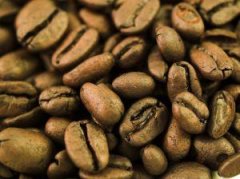
Purity is especially important for single-origin (regional) coffees. Grab a handful—roughly 20–30 beans—and examine them. High-quality single-origin beans should have consistent color, size, and shape. Inconsistent beans may indicate blending or poor sorting, which can lead to an unbalanced cup.
For blended coffees, variation in size and color is normal since they combine beans from different regions. Also, note the oil on the bean surface: medium to dark roasts often develop natural oils, but if light-roast beans are oily, they’re likely stale or degraded, resulting in off-flavors like bitterness or sourness.
What to Buy and How Much
Buy only as much coffee as you can use in about two weeks. Freshness declines quickly once the vacuum seal is broken, and ground coffee deteriorates even faster. Store beans in an airtight container away from heat, light, and moisture. If possible, grind just before brewing to preserve aroma and flavor compounds.
Frequently Asked Questions
What’s the best type of coffee maker for home use?
The best coffee maker depends on your taste preference. For a clean, bright cup, try a Japanese siphon. For a strong everyday brew, an American drip machine works well. If you love espresso-based drinks, invest in an Italian espresso machine with a milk frother and cup warmer. Each type highlights different flavors based on brew method and temperature control.
How can I tell if my coffee beans are fresh?
Fresh beans feel solid when squeezed and make a crisp sound when bitten. They should have a strong, pleasant aroma. Avoid beans that smell musty or flat. Freshness peaks about one week after roasting, so buy beans roasted close to the time of use.
Does coffee bean purity really affect taste?
Yes, especially for single-origin beans. High-quality single-origin beans should be uniform in size, shape, and color. Inconsistent beans may indicate blending or poor quality sorting, leading to imbalanced flavor. Blends naturally vary, but uniformity still matters for quality control.
How long do coffee beans stay fresh after roasting?
Coffee beans are best used within one to two weeks after roasting. They should rest for about seven days to allow CO₂ to dissipate, improving flavor. Once ground, they lose freshness much faster, so grind right before brewing when possible.
Should I buy pre-ground coffee or grind my own?
Grinding your own beans just before brewing ensures maximum freshness and aroma. Pre-ground coffee loses volatile compounds quickly, especially if not stored properly. If you must buy pre-ground, choose beans roasted within a few days and use them within a week.
What grind size should I use for different coffee makers?
Use a coarse grind for siphon pots, a medium-fine grind for drip machines, and a fine grind for espresso machines. Matching grind size to brew method ensures proper extraction and avoids over- or under-extracted flavors.
Recommended FrontStreet Coffee Beans for Home Brewing
For home setups, try FrontStreet Coffee’s Classic Blend, designed for espresso and milk drinks with rich crema even on home machines. Its balanced body works well for moka pots too. For a darker option, the Black Cocoa Blend offers bold, smooth flavor at a great price—ideal for drip or French press. If you prefer a lighter single-origin experience, go with their Specialty Blend based on Brazilian and Colombian beans, delivering classic espresso warmth. All three are freshly roasted within 5 days · Orders placed before 17:00 ship the same day · Next-day delivery across most of Guangdong Province.
FrontStreet Coffee is a long-established specialty coffee roaster in Guangzhou China, selling freshly roasted beans from its own farm in Yunnan as well as dozens of carefully selected single-origin beans from around the world for both pour-over and espresso. The products deliver consistently excellent quality and great value, with shipping within 24 hours. Guangzhou's FrontStreet Coffee shop is recommended by many coffee lovers, and the beans are now available online at the Tmall 。
Important Notice :
前街咖啡 FrontStreet Coffee has moved to new addredd:
FrontStreet Coffee Address: 315,Donghua East Road,GuangZhou
Tel:020 38364473