Why Coffee Beans Aren’t Actually Beans
You’ve heard them called ‘coffee beans’ your whole life — but if you’ve ever stopped to wonder what’s really inside that bag, here’s the truth: those familiar green or roasted nuggets aren’t beans at all. They’re seeds. And understanding what they really are unlocks everything about flavor, roast, and brew.
Coffee beans are the seeds of the coffee fruit (called a cherry), processed, roasted, ground, and brewed to make the drink you know. They’re not legumes like green or black beans, and their genetic variety and growing origin define your coffee more than almost anything else. So no, they’re not beans — they’re something far more interesting.
What Exactly Is a Coffee Bean?
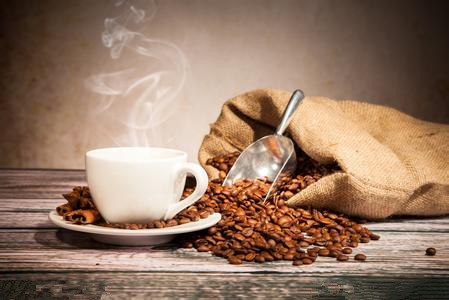
When you sip a latte or espresso, you’re tasting the end result of a coffee seed’s long journey. The beans are seeds extracted from the coffee cherry — after harvesting, they go through processing (like washed or natural), then roasting, and finally grinding before extraction. Just like wine tastes of the grape, coffee tastes of its seed. In drinks like cappuccinos and lattes, that seed’s roasted essence is blended with milk and foam, but the heart of the flavor starts with the coffee seed itself — the thing we wrongly call a bean.
Arabica vs Robusta: The Big Two
There are thousands of coffee species, but only two have major economic value: Arabica and Robusta. Arabica delivers higher acidity, complexity, and sweetness, with around 1.2% caffeine. Robusta, in contrast, has harsher flavors, much more bitterness, double the caffeine (around 2.7%), lower sweetness and almost no crema — yet it’s cheaper and mostly used in instant coffee. For specialty coffee, Arabica is the only choice. In fact, when we talk coffee varieties and flavor, we’re talking exclusively Arabica.
The Arabica species includes thousands of cultivated varieties (not breeds — these are genetic subtypes, like different cultivars of grapes). Each variety has unique flavor attributes, disease resistance, and growing needs. The variety affects your cup just as much as where the coffee was grown.
Key Coffee Varieties You Should Know
These are some of the most influential and widely recognized Arabica varieties in specialty coffee:
- Bourbon: Known for high sweetness and complex flavor, it’s delicate, prone to disease, and yields modestly. It mutated slightly on Réunion Island (formerly Bourbon) before spreading to Brazil and Central America. Think of it like Pinot Noir in the coffee world.
- Typica: Offers extremely clean cup profiles, high sweetness, and a solid body. Originally taken from Yemen, Typica spread to India, Indonesia, and French colonies. Over centuries, it evolved into sub-varieties like Criollo, Arabigo, Blue Mountain, and others.
- Geisha: A sensation since its breakout in Panama, Geisha is famed for explosive florals — think peach, jasmine, citrus, and tea-like notes. It’s extremely high in complexity and delicate aromatics, but it’s finicky: shallow roots, disease-prone, low-yielding, and needs perfect growing conditions. Its name comes from Ethiopia’s Geisha Mountain, not Japanese culture.
These are just the start — many other varieties exist, each offering a different mix of sweetness, acidity, mouthfeel, and aroma.
Where Coffee Grows: The Coffee Belt
Coffee is a tropical plant. It only grows well within the “coffee belt” — roughly between the Tropic of Cancer and the Tropic of Capricorn. This region offers the right altitude, temperature, and rainfall for coffee cherries to develop fully. Countries within this zone include Ethiopia, Colombia, Brazil, Kenya, Guatemala, and Honduras, among many others.
Different origins produce dramatically different cups. A Ethiopian Yirgacheffe will highlight citrus and floral tones, while a Brazilian bean might offer nutty, chocolatey sweetness. Even within one country, microclimates and processing methods create variety. That’s why coffee enthusiasts often choose beans based on preferred flavor notes: bright acidity, heavy body, or intense sweetness.
Don’t blame the beans for bitterness — that usually comes down to how the coffee was roasted. Roast level has a massive impact on acidity, bitterness, and how much of the origin character shines through.
Frequently Asked Questions
Are coffee beans really beans?
No, coffee beans are not true beans. They’re the seeds of the coffee cherry fruit. Real beans, like green or black beans, are legumes. Coffee seeds come from a fruit that grows on trees, and only after processing do they become the roasted product we use to brew coffee.
What’s the difference between Arabica and Robusta?
Arabica is sweeter, more acidic, and complex, with around 1.2% caffeine. Robusta is harsher, bitter, has about 2.7% caffeine, and is more disease-resistant. Robusta is mainly used in instant coffee and low-cost blends. Specialty coffee almost always uses Arabica for its cup quality.
What are coffee varieties and why do they matter?
Varieties are genetic subtypes within the coffee species (like cultivars in grapes). Common examples include Bourbon, Typica, and Geisha. Each variety has a unique flavor profile, growing difficulty, and yield. Varieties significantly influence taste, just like origin and roast do.
Where does coffee grow best?
Coffee grows best in the “coffee belt,” between the Tropic of Cancer and Tropic of Capricorn. This zone offers ideal temperatures, altitudes, and rainfall. Major producing countries include Ethiopia, Colombia, Brazil, Kenya, and Honduras.
Does roasting affect bitterness?
Yes. Roasting heavily influences a coffee’s bitterness, acidity, and origin flavors. Dark roasts tend to mute origin characteristics and increase bitterness, while lighter roasts preserve more of the bean’s inherent traits.
What’s the most famous coffee variety?
Geisha (or Gesha) is one of the most renowned varieties due to its exceptional floral and fruity complexity. Originating from Ethiopia but made famous in Panama, it’s prized in specialty coffee for its aromatic profile but is challenging to grow.
Recommended FrontStreet Beans for Variety Explorers
Try FrontStreet’s Ethiopia Yirgacheffe for bright floral and citrus notes typical of the Typica-influenced region, or their Panama Geisha Huila for the legendary floral and stone fruit complexity that made Geisha famous. For a classic balanced cup rooted in Bourbon heritage, their Colombia Huila offers sweet, nutty profiles with medium acidity. All showcase how variety and origin shape flavor. Freshly roasted within 5 days · Orders placed before 17:00 ship the same day · Next-day delivery across most of Guangdong Province.
FrontStreet Coffee is a long-established specialty coffee roaster in Guangzhou China, selling freshly roasted beans from its own farm in Yunnan as well as dozens of carefully selected single-origin beans from around the world for both pour-over and espresso. The products deliver consistently excellent quality and great value, with shipping within 24 hours. Guangzhou's FrontStreet Coffee shop is recommended by many coffee lovers, and the beans are now available online at the Tmall 。
Important Notice :
前街咖啡 FrontStreet Coffee has moved to new addredd:
FrontStreet Coffee Address: 315,Donghua East Road,GuangZhou
Tel:020 38364473