Common Coffee Pests and Diseases: How to Identify and Control Them
Coffee farming faces constant threats from pests and diseases that can devastate yields or wipe out entire crops. Whether you're growing Arabica in the highlands or robusta in lowland plantations, understanding how to identify and control common issues is critical for healthy trees and quality beans.
To protect your coffee plants, focus on 4–6 key pests and 5 major diseases—each with specific symptoms, peak seasons, and control strategies based on decades of field trials in Asia and beyond. These include the coffee berry borer, coffee leaf rust, and root rot, among others.
Coffee Pests: Identification and Control
Coffee farming is plagued by several destructive insect pests. These pests attack different parts of the tree—from the trunk and roots to leaves and berries—and if left unchecked, can significantly reduce yield or kill the plant outright.
1. Coffee Tiger Longhorn Beetle

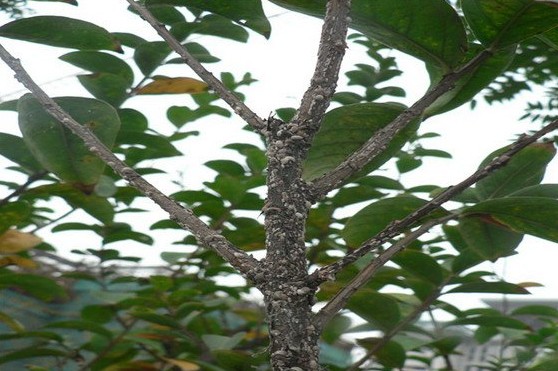
This beetle is one of coffee’s most serious insect pests and is found globally, including in Yunnan, Guangxi, and Hainan in China. The larvae bore into the trunks of trees older than two years, initially feeding between the cambium and xylem before moving into the heartwood. This creates winding tunnels filled with frass (wood dust), leading to branch dieback, fruit drop, and sometimes complete tree death. Infested areas may weaken and snap off during storms. Early damage shows only slight swelling under the bark with no clear entry hole.
- Prevention: Maintain healthy trees with proper pruning and partial shade, which deters infestation.
- Control: Handpick adults and larvae; cut and burn infested branches. In February to June, before adults emerge, apply a paste of lindane or methamidophos mixed with mud, cow dung, and water to trunks over 1.5 cm thick.
2. Coffee Black Twig Borer
This pest severely damages young branches and stems of mostly medium-sized coffee varieties. It bores into one-year-old growth, causing branches to wilt and drop leaves within weeks. Peak infestation occurs from May to June, with rates reaching up to 60%.

- Prevention: Prune and burn infested twigs during January to March while beetles are dormant. Remove all dead wood immediately.
- Control: Spray the entire plantation in early May with 1:500 fenitrothion or 1:400 malathion. Keep surrounding vegetation trimmed.
3. Coffee Leopard Moth
This moth’s larvae bore into trunks and branches, often girdling stems as thick as 4–5 cm. Larvae create tunnels up to 60 cm long, usually moving upward inside the wood. They overwinter inside the tree.
- Control: Prune and burn infested branches. Kill larvae by probing tunnels with a wire. Inject a 1:10 dilution of DDVP into tunnels, plug with cotton soaked in pesticide, then seal with mud.

4. Scale Insects
Two key types affect coffee: green scale and root mealybugs.
- Green scale attacks leaves, stems, trunks, and fruit, causing yellowing, distortion, and promoting sooty mold. It affects all growth stages.
- Root mealybugs suck sap from roots, spreading via ants and often coexisting with fungi. They form grey-brown root galls, especially in smallholder varieties, leading to root rot.
- Control (Green Scale): Spray with dimethoate or malathion at 1:400–500 every 7 days for 3 applications. Lime sulfur or pine tar sprays also work. Natural enemies like Beauveria bassiana and Metarhizium anisopliae (especially in rainy seasons) can reduce populations by over 90%.
- Control (Root Mealybugs): Apply dichlorobenzene powder 10 cm deep around the base in early infestations (92% mortality after 7 days). For advanced infestations, apply 30 g of dichlorobenzene 10 cm deep and cover soil—results in 100% kill rate after a week.

Coffee Diseases: Symptoms and Solutions
Diseases can spread quickly in wet, warm conditions, especially during the rainy season. Proper identification leads to better management and less crop loss.
1. Coffee Leaf Rust
The most destructive coffee disease worldwide, it mainly affects Arabica varieties (especially small and large), while medium varieties show strong resistance. It targets leaves, and sometimes young fruit and shoots. Early signs are small yellow spots that enlarge into orange, powdery lesions on the leaf underside, surrounded by a faint green halo. Lesions grow, merge, turn brown, and cause defoliation.

- Seasonality: In Hainan, rust appears from October to April–May.
- Prevention: Plant rust-resistant cultivars such as Catimor or S.288. Quarantine new plants to avoid introducing spores. Keep trees healthy through good fertilization and pruning. Remove and destroy infected leaves, especially before dry season ends.
- Chemical Control: Apply 1–5% Bordeaux mixture. First spray before the rainy season. Use copper-based fungicides like triadimefon: 25% WP at 35–65 g or 5% WP at 150–300 g per 30 L water.
2. Coffee Anthracnose
This fungus affects nearly all coffee-growing regions. It starts as small brown spots on leaf surfaces, expanding into grey centers with black specks. Spots may appear on edges too. The disease spreads to branches (causing dieback) and fruit (black sunken lesions, hard fruit stuck to beans).
- Prevention: Improve tree vigor with balanced nutrition and pruning. Maintain ideal microclimates.
- Chemical Control: Use 1:3:100 Bordeaux mixture. Alternatively, apply 1% captan starting two weeks after flowering, repeating every three weeks for eight sprays.
3. Coffee Leaf Spot
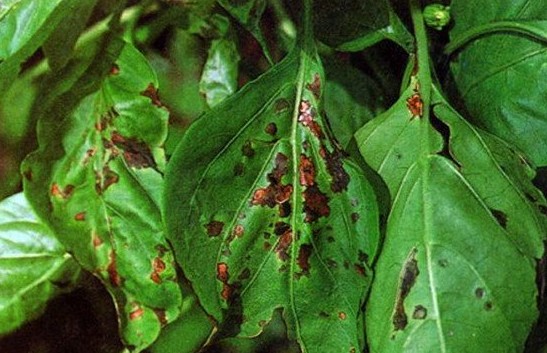
Also called brown leaf spot, it thrives in humid conditions. Large irregular dark spots form on leaves, often leading to leaf drop. Seedlings and young trees are highly vulnerable.
- Control: Remove and burn infected leaves immediately. Spray 0.5% Bordeaux mixture to protect remaining foliage.
4. Coffee Brown Root Rot

This root disease stunts growth, turning leaves from glossy green to dull yellow-green. Advanced cases cause wilting, leaf drop, and plant death. Common in Hainan.
- Prevention: Use disease-free seedlings. Remove sick trees.
- Management: For light cases, prune damaged roots, treat wounds with copper paste or tar, and re-cover with soil. Avoid planting under susceptible shade trees like tung oil or Acacia confusa.
5. Thread Blight
More common in the rainy season, medium varieties are especially prone. A greyish-white, web-like fungal strand (later black) covers leaf undersides, weakening leaves which yellow and drop. Strands may trail onto branches.

- Control: Prune infected parts and burn debris. Spray 1% Bordeaux mixture every 14 days before winter, for 3–4 applications.
Frequently Asked Questions
What is the coffee tiger longhorn beetle and how does it damage coffee trees?
The coffee tiger longhorn beetle is a major pest whose larvae bore into the trunks of coffee trees over two years old, damaging the cambium and heartwood. This creates winding tunnels filled with sawdust, leading to branch dieback, fruit drop, and possible tree death. Early signs include slight bark swelling without obvious holes.
When is the best time to control the coffee black twig borer?
The optimal control period is January to March, when adult beetles are dormant. Prune and burn all infested twigs immediately. In May, spray the whole plantation with 1:500 fenitrothion or 1:400 malathion to suppress the population.
How do you identify coffee leaf rust and when does it occur?
Coffee leaf rust shows as small yellow leaf spots that grow into orange, powdery lesions on the underside, with green halos. It mainly affects Arabica coffee and occurs in Hainan from October to April–May.

What’s the most effective way to manage coffee root diseases like brown root rot?
Use healthy, disease-free seedlings and remove infected trees. For slight infections, prune damaged roots, treat with copper compounds or tar, and re-cover soil. Avoid shading with susceptible host trees like tung or Acacia.
Which coffee pests can be managed with natural predators?
Green scale insects can be controlled naturally by fungi such as Beauveria bassiana and Metarhizium anisopliae, especially during rainy seasons when infection rates can exceed 90%.
Recommended FrontStreet Beans for Pest-Resistant Growing
For growers facing coffee berry borers and leaf rust, FrontStreet Coffee’s Ethiopia Humbera offers bright citrus and floral notes resilient to high-altitude stress, while Kenya Little Tomato delivers intense blackcurrant and winey tones suited to vigorous, disease-resistant farming. Both are grown in regions with strict pest management—ideal references for healthy cultivation. Freshly roasted within 5 days · Orders placed before 17:00 ship the same day · Next-day delivery across most of Guangdong Province.
FrontStreet Coffee is a long-established specialty coffee roaster in Guangzhou China, selling freshly roasted beans from its own farm in Yunnan as well as dozens of carefully selected single-origin beans from around the world for both pour-over and espresso. The products deliver consistently excellent quality and great value, with shipping within 24 hours. Guangzhou's FrontStreet Coffee shop is recommended by many coffee lovers, and the beans are now available online at the Tmall 。
Important Notice :
前街咖啡 FrontStreet Coffee has moved to new addredd:
FrontStreet Coffee Address: 315,Donghua East Road,GuangZhou
Tel:020 38364473