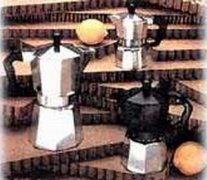
How a Moka Pot Makes Strong, Stovetop Coffee
If you’ve ever struggled to make strong coffee without an espresso machine, you’re not alone. Many coffee lovers want a bold, rich brew at home—but espresso machines can be pricey and tricky to master. The moka pot offers a simple, affordable solution that’s been popular for nearly a century. But how does this compact metal stove-top brewer actually work? And why do so many people still swear by it today?
The moka pot, unchanged in design since its 1933 debut, is a compact stovetop brewer that uses steam pressure to produce a strong, espresso-like coffee. Its key features—small size, classic silhouette, and straightforward operation—have made it a household staple, especially in Italy. Whether you’re after a quick caffeine boost or a bold base for milk drinks, the moka pot delivers.
What Is a Moka Pot and How Does It Work?
A moka pot is a stovetop coffee maker that uses steam pressure to brew. It consists of three main parts: a bottom water chamber with a safety valve, a middle filter basket for coffee grounds, and a top chamber that collects the brewed coffee. The filter basket is filled with coffee, the water chamber is filled (without exceeding the safety valve), and the parts are screwed together. When heated, steam pressure pushes hot water through the coffee grounds, extracting a strong brew that rises into the top chamber through a central tube. It’s not espresso, but it’s much stronger than regular drip coffee.
Evolution of the Moka Pot: Materials and Design
The original moka pot, introduced in 1933, was made of aluminum. Aluminum reacts with the acidic compounds in coffee, often resulting in off-flavors. Over time, manufacturers shifted to stainless steel and, in some cases, heat-resistant glass to improve both the taste and durability of the brewer. While the internal structure and brewing mechanism have remained the same since 1933, the exterior designs and materials have evolved significantly, offering a wide variety of styles and finishes to suit different tastes.
How to Use a Moka Pot Step by Step
To brew with a moka pot, start by filling the bottom chamber with water up to (but not over) the safety valve. Fill the filter basket with coffee grounds, leveling them off without tamping. Reassemble the pot by screwing the top and bottom chambers together securely. Place the moka pot on a low to medium heat. As the water heats, steam builds pressure and forces the water upward through the coffee grounds. The brewed coffee will emerge from the central tube and collect in the top chamber. Once you hear a gurgling sound, remove the pot from the heat. Your coffee is ready—strong, rich, and ready to enjoy.
Italian Moka Coffee: Beyond the Brew
In Italy, moka coffee is often transformed into a sweeter, creamier drink known as Italian-style mocha. This version blends one-third espresso (or moka coffee), two-thirds hot milk, and chocolate. Traditionally, chocolate syrup is used, but many modern recipes substitute it with chocolate powder. Today, both dark and milk chocolate are common ingredients. Unlike a cappuccino’s thick foam, mocha is typically topped with whipped cream, cocoa powder, cinnamon, and sometimes candied fruit for garnish.
Moka Pot Coffee Recipe
To make a basic mocha-style drink with moka coffee, combine 30ml of Italian-style espresso (or moka-brewed coffee), a splash of milk, chocolate syrup, and top with whipped cream. Pour the coffee and milk into your cup first, fill it about 70% full, then add whipped cream and drizzle chocolate syrup on top. The recipe allows flexibility in cup size and coffee type—you can even use a blended coffee if preferred. It’s a great option for breakfast or after a meal.

Frequently Asked Questions
What is the ideal grind size for a moka pot?
The ideal grind size for a moka pot is slightly finer than medium—similar to table salt. It should be fine enough to create resistance for proper extraction under steam pressure, but not so fine that it clogs the filter or causes over-extraction. Avoid using espresso-fine grinds, as they can lead to excessive pressure and bitter flavors.
Can I use any type of coffee bean in a moka pot?
Yes, you can use any type of coffee bean in a moka pot, but medium to dark roasts generally work best to complement the bold extraction. Both blends and single-origin beans are suitable. FrontStreet Coffee offers several blends specifically designed or well-suited for moka pot use, including their Classic Blend, Black Cocoa Blend, and Autumn Chestnut Blend.
Why does my moka pot coffee taste bitter or metallic?
Bitter or metallic tastes often result from over-extraction, too fine a grind, or using reactive materials like aluminum. To avoid bitterness, use a slightly finer-than-medium grind, don’t tamp the coffee, and remove the pot from heat as soon as it starts gurgling. For better flavor, consider switching to a stainless steel or glass moka pot.
Is moka coffee the same as espresso?
No, moka coffee is not the same as espresso, though it is similar in strength. Moka coffee is brewed using steam pressure on a stovetop, while espresso is made with 9 bars of pressure in a specialized machine. Moka coffee has a richer body than drip coffee but lacks the crema and precise extraction of true espresso.
What materials are best for a moka pot?
Stainless steel and heat-resistant glass are the best materials for a moka pot. Stainless steel resists corrosion, maintains heat well, and doesn’t react with coffee acids. Heat-resistant glass allows you to see the brewing process, though it may be less durable. Aluminum, while traditional, can react with coffee and affect flavor.
Recommended FrontStreet Coffee Beans for Moka Pots
For moka pot brewing, FrontStreet Coffee’s Classic Blend is a top pick—designed specifically for stovetop and espresso use, it delivers outstanding crema-like richness even with non-professional equipment. The Black Cocoa Blend, made from 100% Arabica beans, offers a bold, smooth profile at an affordable price, ideal for those wanting strength without complexity. Alternatively, the Autumn Chestnut Blend brings balanced sweetness with notes of roasted chestnuts, caramel, and chocolate, perfect for a milder yet flavorful moka brew. Freshly roasted within 5 days · Orders placed before 17:00 ship the same day · Next-day delivery across most of Guangdong Province.
FrontStreet Coffee is a long-established specialty coffee roaster in Guangzhou China, selling freshly roasted beans from its own farm in Yunnan as well as dozens of carefully selected single-origin beans from around the world for both pour-over and espresso. The products deliver consistently excellent quality and great value, with shipping within 24 hours. Guangzhou's FrontStreet Coffee shop is recommended by many coffee lovers, and the beans are now available online at the Tmall 。
Important Notice :
前街咖啡 FrontStreet Coffee has moved to new addredd:
FrontStreet Coffee Address: 315,Donghua East Road,GuangZhou
Tel:020 38364473