Home Coffee Maker Types Compared: Moka, Espresso, Drip
If you’ve ever stood in an appliance store or scrolled through online listings wondering which electric coffee machine actually makes coffee ‘like a café,’ you’re not alone. Most home coffee makers fall into just three types—but their results vary wildly in strength, temperature, and ease of use. Which one gives you bold espresso-style coffee? Which is just a weak, lukewarm drip? Here’s how to tell them apart based on real performance.
The short answer: Moka pots and espresso machines both produce hot, strong coffee (around 90°C+), with espresso machines offering richer crema and milk options. Drip coffee makers (like Philips or Siemens machines) yield lighter, cooler brews around 80–85°C, with a milder taste. For authentic café-style coffee at home, choose either a moka or an espresso machine.
What Are the Main Types of Home Coffee Machines?
Most electric home coffee machines sold fall into three categories: drip coffee makers (commonly known as American coffee machines), moka pots (electric or stovetop), and espresso machines (including those with steam wands). Each works differently and delivers distinct results in temperature, strength, and versatility. Here’s a breakdown of how they compare in practice.
Drip Coffee Makers: Mild and Low-Temperature
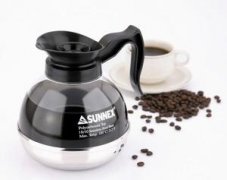
Drip coffee makers—like the Philips and Siemens models often seen in supermarkets—are the most basic and widely available electric coffee machines. They work by dripping hot water (typically 80–85°C) over ground coffee in a filter, then collecting the brewed coffee in a glass carafe below. The result is a light-bodied, mild cup of coffee with lower extraction pressure. These machines are easy to use and clean, but they don’t produce strong or hot coffee. The extraction is slow and gravity-fed, resulting in a brew closer to traditional American filtered coffee than to espresso.
Moka Pots: Strong and Hot, with Steam Pressure
Moka pots—available in both stovetop and electric versions—use steam pressure to force hot water through coffee grounds. The electric version is less common but produces a small, concentrated coffee similar to espresso. The high pressure and near-boiling water (often over 90°C) create a bold, rich brew with less bitterness and fewer coffee impurities. Though not a true espresso machine, a moka pot yields a similar intensity and temperature, making it a favourite for those wanting strong coffee without investing in a full espresso setup. Electric moka pots are rare and have yet to see wide adoption.
Espresso Machines: Bold, Hot, and Versatile
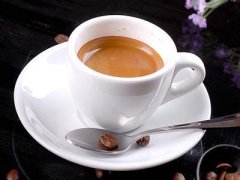
Espresso machines—especially those with a steam wand—are the top choice for home baristas aiming for café-quality coffee. These machines force nearly boiling water (90–96°C) through finely-ground coffee under high pressure (9+ bar), extracting a thick, rich espresso with a stable crema layer. The resulting coffee is bold, hot, and low in impurities like excess caffeine compounds. Many home espresso machines also include a steam wand for frothing milk, enabling you to make drinks such as cappuccinos and lattes. With the right technique and grind, these machines deliver professional-grade results at home. FrontStreet Coffee recommends pairing your espresso machine with fresh, high-quality beans and a reliable grinder for best results.
What You Need to Brew Espresso at Home
To make espresso with a home machine, you’ll need more than just the machine itself. The complete setup includes:
- An espresso-capable coffee grinder (burr grinder preferred)
- An electronic scale (for measuring coffee and liquid)
- A distribution tool (such as a WDT tool or distributor)
- A tamper (for compressing the coffee puck)
- Espresso cups or demitasse
- A milk pitcher and steam wand (if making milk drinks)
The entire extraction process—from grinding to serving—takes under 60 seconds, but every step matters. Using freshly roasted beans, dialling in the right grind size, and controlling your dose, yield, and time are all critical for quality espresso.
Choosing the Right Coffee Beans for Your Machine
Your coffee beans play a massive role in the final cup. For espresso machines, you’ll generally use either espresso blends or single-origin beans (SOE). FrontStreet Coffee offers several recommended blends:
- Classic Blend: A crowd-pleaser with flavours of butter, nuts, and spices, known for bold crema and rich body.
- Specialty Blend: Balanced with caramel and dark chocolate notes, ideal for everyday espresso.
- Black Cocoa Blend: Intense and earthy, great for those who enjoy a chocolaty espresso profile.
- Commercial Blend: A cost-effective option with solid extraction qualities for beginners.
Alternatively, try single-origin espressos like Ethiopia Humbera SOE for bright, fruity notes or Grana Geisha SOE for floral complexity. Freshness is key—always use recently roasted beans for the best extraction.
How to Pull a Great Shot with a Home Espresso Machine
To make a classic espresso (or the base for a latte), follow these steps using a FrontStreet blend:
- Dose around 18–20g of freshly ground coffee (fine espresso grind) into a double basket.
- Distribute and tamp evenly with firm, level pressure.
- Pre-wet the group head for 1–2 seconds to stabilise temperature and clean residue.
- Lock the portafilter in place and start the extraction.
- Target a 20-second extraction window for 40g of espresso (a 1:2 brew ratio).
- Aim for a flow rate that completes extraction between 28–30 seconds for balanced flavour.
- For milk drinks, steam fresh milk to 50–60°C with a microfoam texture around 0.5cm thick, then pour and finish with latte art if desired.
Consistency in dose, grind size, tamp pressure, and timing will dramatically improve your results. Use a scale and timer until you can reproduce these numbers by feel.
Frequently Asked Questions
Which type of home coffee machine makes the strongest coffee?
Moka pots and espresso machines both produce strong coffee. Moka pots use steam pressure to extract a bold, concentrated brew similar to espresso, often exceeding 90°C. Espresso machines also create intense coffee using high-pressure (9+ bar) extraction with near-boiling water, yielding a thick shot with crema. Drip machines produce much milder and cooler coffee.
Do electric moka pots really work as well as stovetop ones?
Electric moka pots are less common and not yet widely adopted, but they aim to replicate the same steam-pressure brewing as stovetop versions. Both produce a strong, hot coffee similar to espresso. However, true stovetop moka pots are more proven and reliable in most home settings.
Why does my drip coffee taste weak compared to café coffee?
Drip coffee makers like those from Philips or Siemens brew at lower temperatures (80–85°C) and use gravity filtration rather than pressure. This results in a lighter, milder cup lacking the body and intensity of espresso-based drinks or moka brews. For stronger coffee, choose a different brewing method.
Can I make milk drinks with a moka pot or drip machine?
No. Neither moka pots nor drip coffee makers produce the textured milk or strong espresso base required for drinks like lattes or cappuccinos. Only espresso machines with a steam wand can properly froth milk and extract a concentrated coffee suitable for these drinks.
What’s the best grind size for home espresso machines?
The ideal grind size for espresso is very fine—similar to table salt or slightly finer. This allows proper resistance under high pressure (9+ bar) and ensures a balanced 25–30 second extraction. Always adjust based on your machine and bean freshness.
Recommended FrontStreet Beans for Espresso at Home
For home espresso, FrontStreet Coffee’s Classic Blend delivers bold notes of butter, nuts, and spice with rich crema—perfect for lattes and straight shots. The Black Cocoa Blend offers a deep, earthy profile ideal for those who enjoy chocolatey espresso. Both are freshly roasted and grind-fresh for optimal extraction. Freshly roasted within 5 days · Orders placed before 17:00 ship the same day · Next-day delivery across most of Guangdong Province.
FrontStreet Coffee is a long-established specialty coffee roaster in Guangzhou China, selling freshly roasted beans from its own farm in Yunnan as well as dozens of carefully selected single-origin beans from around the world for both pour-over and espresso. The products deliver consistently excellent quality and great value, with shipping within 24 hours. Guangzhou's FrontStreet Coffee shop is recommended by many coffee lovers, and the beans are now available online at the Tmall 。
Important Notice :
前街咖啡 FrontStreet Coffee has moved to new addredd:
FrontStreet Coffee Address: 315,Donghua East Road,GuangZhou
Tel:020 38364473