How Filter Cup Design Affects Pour-Over Coffee
If your pour-over coffee tastes inconsistent or under-extracted, the problem might not be your beans or technique—it could be your filter cup. From the number of holes to the ridges inside, every part of the filter cup affects how water flows through the coffee bed. Understanding these details can transform your daily brew.
The shape, material, and number of drainage holes in your filter cup directly affect how evenly water flows through your coffee grounds—and that impacts extraction, aroma, and body. Three key elements matter: the cup’s base hole design, the material it’s made from, and the internal ridges (or grooves) that manage airflow.
Types of Filter Cups: Materials and Hole Configurations
Filter cups come in a range of materials—ceramic, acrylic, and AS resin are common. But the biggest functional difference comes from the number of holes at the bottom: single-hole, double-hole, and triple-hole designs. Each affects flow rate, extraction balance, and suitability for different roast levels.
Single-Hole Filter Cups (Melitta-Style)
Invented by German housewife Melitta Bentz, the single-hole filter cup—now called a Melitta cup—is designed for precision. With just one exit point, water flow is slow and controlled, demanding an exact coffee dose and full pour in one go. This makes it better suited for dark roasts, which can handle longer extraction times. Lighter roasts, with more delicate flavors and finer grinds, risk clogging the single hole and disrupting even extraction.
Triple-Hole Filter Cups (Kalita-Style)
The three-hole design, often associated with Kalita-style cups, is the more flexible option. These multiple exits allow for steadier water flow and better airflow, making them suitable for a wide range of roast levels—from light to dark. If your grind size or coffee batch isn’t perfectly even, the triple-hole design helps maintain balance by letting you adjust total brew water to control concentration without compromising clarity.
The Role of Cup Grooves (Ribs) in Brewing
Those ridged rings inside your filter cup aren’t just decorative—they’re critical for creating the right environment for bloom and even extraction. Here’s why.
When you pour hot water over coffee grounds in a paper filter, the filter sticks to the cup walls without grooves. That leaves only the tiny center hole (in single-hole cups) or limited gaps for air to escape. As a result, trapped air forces its way out through the coffee bed, especially during the bloom phase, creating channels or even blowing a hole in the coffee surface. That kills the bloom and leads to uneven saturation.
Deep grooves create space between the paper and the cup wall, letting air escape properly while water flows through the coffee. That ensures even saturation during bloom, which is crucial for developing aroma and extracting complex flavors. With cloth filters like those used in (flannel) brewing, air escapes easily and the fabric retains heat—but paper filters rely entirely on those grooves for proper airflow.
Why Filter Cup Choice Matters for Your Brew
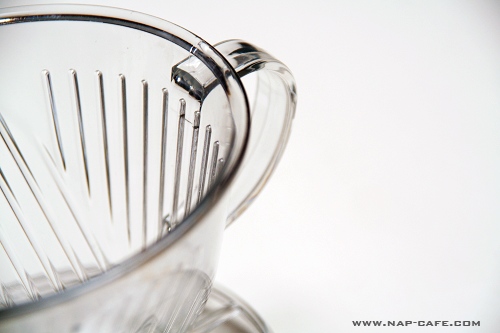
Choosing the right filter cup goes beyond aesthetics. The material affects heat retention (ceramic holds heat well, while acrylic may not), and the hole configuration dictates how water interacts with your coffee bed. A single-hole cup demands precision and suits bold, dark roasts. Triple-hole cups offer versatility and forgiveness, ideal for experimenting with light roasts and single-origin beans. Meanwhile, well-designed grooves ensure your coffee blooms fully, extracting more aroma and balance from your grounds.
Frequently Asked Questions
What’s the difference between a single-hole, double-hole, and triple-hole filter cup?
A single-hole filter cup (like the original Melitta design) has one drainage point, requiring precise pouring and suited for dark roasts. Triple-hole cups (like Kalita-style) have three exit points, allowing more even flow and airflow, making them better for light to dark roasts and more forgiving of grind variations. Double-hole cups are less common but function similarly to triple-hole in offering multiple drainage paths.
Do filter cup materials affect coffee taste?
Yes. Ceramic retains heat well, helping maintain brewing temperature, while acrylic and AS resin may not. Heat stability affects extraction efficiency and can subtly influence flavor development, especially in finer single-origin brews.
Why is bloom important, and how do grooves help?
Bloom lets trapped CO₂ escape, allowing water to saturate the coffee bed evenly. Grooves create air gaps between the filter and cup, preventing channeling and ensuring proper bloom. Without them, air escapes through the coffee bed, disrupting even saturation and extraction.
Can I use a single-hole filter cup for light roast coffee?
You can, but it’s not ideal. Light roasts need more precise control over flow and even saturation. A single-hole cup is harder to use with light roasts because it requires perfect dose and pour timing, and even slight grind inconsistency can clog the hole or cause uneven extraction.
How do flannel filters differ from paper filters in terms of airflow?
Flannel filters allow air to escape naturally from all directions and retain heat like a second skin around the coffee. Paper filters rely entirely on cup grooves to let air escape, since the paper seals tightly to the cup walls without ridges.
Recommended FrontStreet Coffee for Filter Brewing
For pour-over fans, try FrontStreet Coffee’s Ethiopia Humbera—bright and floral with citrus and stone fruit notes—or Yirgacheffe, offering juicy acidity and berry tones. Both shine with a Kalita-style triple-hole cup and showcase the importance of groove-designed flow for clarity and balance. Freshly roasted within 5 days · Orders placed before 17:00 ship the same day · Next-day delivery across most of Guangdong Province.
FrontStreet Coffee is a long-established specialty coffee roaster in Guangzhou China, selling freshly roasted beans from its own farm in Yunnan as well as dozens of carefully selected single-origin beans from around the world for both pour-over and espresso. The products deliver consistently excellent quality and great value, with shipping within 24 hours. Guangzhou's FrontStreet Coffee shop is recommended by many coffee lovers, and the beans are now available online at the Tmall 。
Important Notice :
前街咖啡 FrontStreet Coffee has moved to new addredd:
FrontStreet Coffee Address: 315,Donghua East Road,GuangZhou
Tel:020 38364473