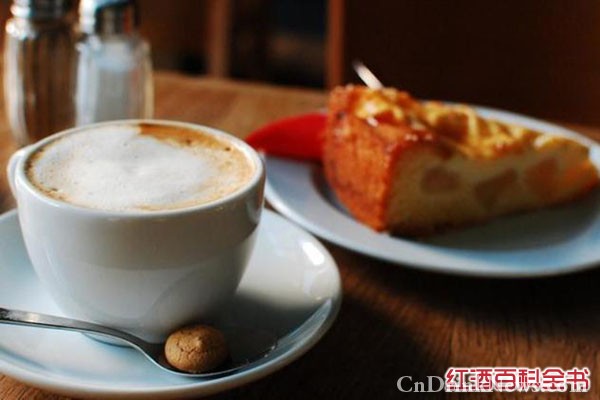
Civet Coffee: Protests Don’t Stop Expansion and IPO Plans
Imagine paying over $100 per gram for coffee — not because it’s rare, but because it’s been eaten, digested, and excreted by a small wild cat. That’s the reality of civet coffee, also dubbed 'the most expensive poop in the world.' But behind its luxurious price tag and exotic backstory lies a controversial production process that’s drawing global criticism.
The short answer? Yes, civet coffee is still being produced, sold, and expanded despite widespread protests. There are over 200 civet coffee shops in China alone, growing 3–5 locations per month, and the brand aimed to list on the U.S. stock market as early as 2016. Meanwhile, 80% of what’s sold as civet coffee may actually be fake.
What Is Civet Coffee and How Is It Made?

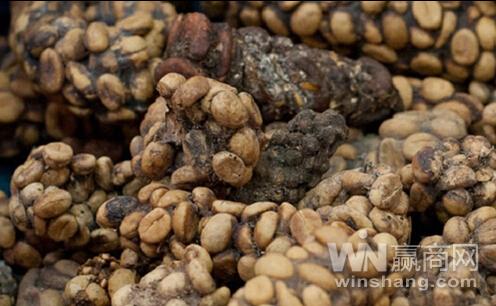
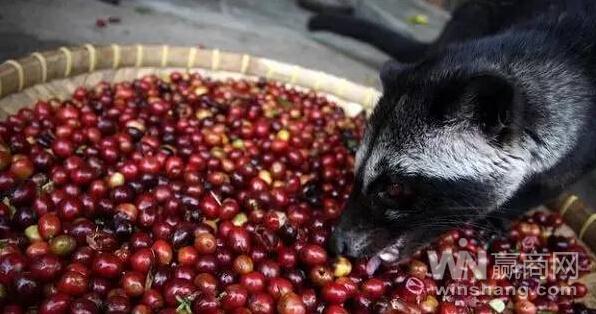
Civet coffee originates in Indonesia, specifically from the droppings of the common palm civet — known locally as the musang or luwak. This small, tree-dwelling mammal eats ripe coffee cherries, digests the fruit pulp, and excretes the beans. Workers then collect, clean, dry, deodorize, and roast these beans to produce what’s marketed as one of the world’s rarest and most distinctive coffees.
The fermentation process inside the civet’s digestive tract is said to break down proteins responsible for bitterness, resulting in a smoother, richer cup with hints of fruit and earth. In Indonesia’s Sumatra region and Vietnam’s Buon Ma Thuot, producers have built entire supply chains around this unique method — from wild civet farming to roasting and retail.

The Cruel Reality Behind ‘The World’s Most Expensive Poop’
Despite its premium branding, much of the civet coffee industry has been exposed for unethical practices. According to a 2013 report by the Daily Mail, civets in the Philippines and Indonesia were being kept in cramped, filthy cages and force-fed low-quality coffee cherries to increase yield. These conditions led to severe stress, malnutrition, and disease among the animals.

Worse, an estimated 80% of civet coffee on the market is counterfeit, with regular beans falsely labeled as kopi luwak to command higher prices. Even when the beans are genuinely from civets, they’re often from industrially caged animals — not the wild, free-roaming civets originally used. What’s more, the cherries fed to caged civets aren’t quality-sorted, undermining the supposed quality advantage.
This cruelty has sparked outrage among animal rights groups like PETA, leading to a growing boycott of kopi luwak products worldwide. The trend has also inspired equally controversial imitations — including elephant dung coffee, squirrel poop coffee, and even bird poop coffee — all using similar unethical methods.

Business Expansion and Controversial Growth Strategy
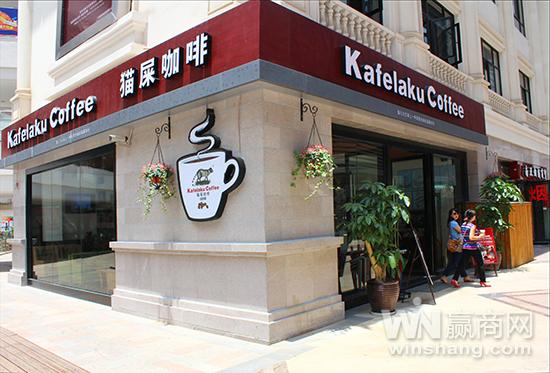
Curiously, public backlash hasn’t stopped the civet coffee business from expanding aggressively. By 2015, the brand 'Civet Coffee' had opened over 200 stores across major cities in China, including Beijing, Shanghai, Guangdong, Yunnan, and Sichuan, and planned to add 3–5 new locations every month through a mix of company-owned and franchised outlets.

In June 2015, the company entered a strategic partnership with Café Biti , aiming to jointly acquire the struggling South Korean coffee chain. This move was designed to accelerate store rollouts toward their original goal of 500 locations by 2015 and a U.S. IPO in 2016. Café Biti’s existing financial troubles actually made it a cost-effective acquisition target, helping reduce expansion costs while keeping the IPO timeline intact.
The brand also invested in upstream production — purchasing a 100-year-old coffee estate in Buon Ma Thuot, Vietnam, and establishing a civet farming cooperative on Sumatra. Together, these moves completed an integrated supply chain spanning cultivation, civet breeding, roasting, and retail. They’ve even begun offering franchising opportunities in mainland China with full back-end support.
Civet Coffee from Yunnan: Rare, Costly, and Highly Localized
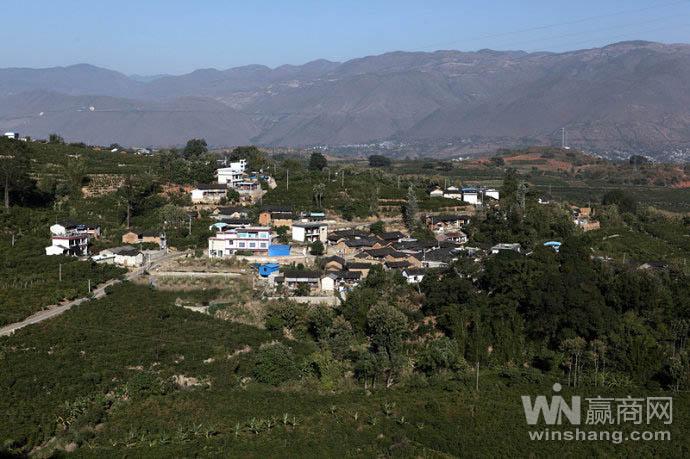
In 2013, China began producing its own version of civet coffee in Yunnan’s Gaoligong Mountains, near Baoshan’s Luxi Basin. Collected from wild masked palm civets (Paguma larvata) that feed on local Arabica cherries, this 'Yunnan kopi luwak' is described as having a delicate fruity aroma layered with musk, smooth mouthfeel, and a lingering citrus acidity. Only 50–100 kilograms are produced annually, making it exceedingly rare.

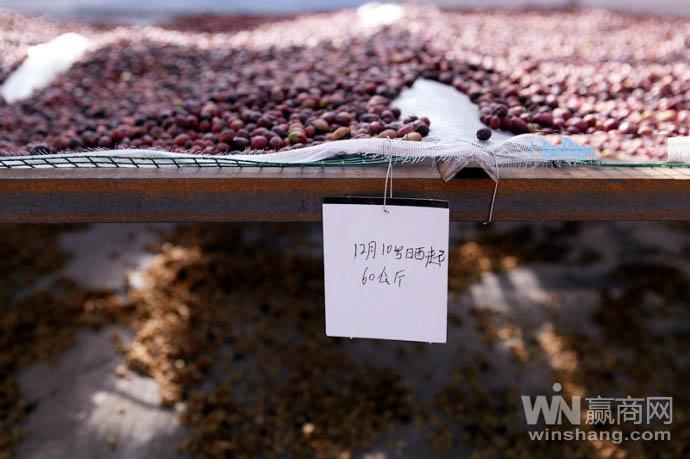
The collection process is labor-intensive — workers must carefully gather civet droppings from dense coffee plantations, then clean, deodorize, dry, and roast the beans using skilled roasters. Currently, there are two Civet Coffee branded stores in Kunming, with monthly revenue around 200,000 RMB per shop. A single cup sells for 268 RMB, with individual stores generating roughly 30,000 RMB in monthly sales.
Despite the tiny output, the brand plans to open three more Kunming locations over three years, expanding into districts like Wuhua, Panlong, Guandu, and Xishan, and eventually entering tourist cities like Dali and Lijiang. At over 100 RMB per gram, Yunnan civet coffee is firmly positioned as a luxury product.


Frequently Asked Questions
What is civet coffee and where does it come from?
Civet coffee, or kopi luwak, is made from coffee beans that have been eaten and excreted by the Asian palm civet, mainly in Indonesia and Vietnam. The beans are collected from the animal’s feces, then cleaned, dried, roasted, and brewed. It originated in Indonesia’s Sumatra region and has since spread to other coffee-growing areas, including Vietnam’s Buon Ma Thuot highlands and Yunnan, China.
Why is civet coffee so expensive?

Civet coffee is expensive due to its rarity, labor-intensive production process, and the belief that digestion by the civet improves flavor by breaking down bitter compounds. The limited supply — especially authentic wild-collected beans — and luxury branding contribute to prices exceeding $100 per gram or 268 RMB per cup in some markets.
Is civet coffee ethical?
Most civet coffee on the market is not ethically produced. Investigations have found that many civets are kept in cruel, confined conditions and force-fed low-quality beans. Even 'wild-sourced' claims are often false. An estimated 80% of kopi luwak is counterfeit, making genuine, ethically produced civet coffee extremely rare.
How is civet coffee made?
Civet coffee is made when civets eat ripe coffee cherries, digest the pulp, and excrete the beans. The beans are then collected from feces, washed, dried, sometimes fermented further, roasted, and brewed. The digestive process is said to alter the bean’s flavor profile, reducing bitterness and adding unique notes.
Where can you buy civet coffee in China?
In China, civet coffee is sold in branded stores, with around 200 locations across major cities like Beijing, Shanghai, Guangdong, and Yunnan. Kunming alone has two Civet Coffee shops, and the brand plans to expand further into cities like Dali and Lijiang. It’s also available online, though buyers should beware of counterfeit products.
What does civet coffee taste like?
Authentic civet coffee is described as smooth, low in bitterness, with fruity and earthy tones. Yunnan-produced civet coffee has additional notes of citrus acidity and musk. However, many commercially available versions — especially those from caged civets or counterfeit beans — do not achieve the same flavor complexity.
Recommended FrontStreet Beans for Kopi Luwak Fans
If you're curious about the exotic profiles of civet coffee, try FrontStreet's Ethiopia Humbera for its complex fruity and winey notes, or Yirgacheffe for bright acidity and floral tones. Both offer the kind of unique cup character that draws people to kopi luwak, but without the ethical concerns. Freshly roasted within 5 days · Orders placed before 17:00 ship the same day · Next-day delivery across most of Guangdong Province.
FrontStreet Coffee is a long-established specialty coffee roaster in Guangzhou China, selling freshly roasted beans from its own farm in Yunnan as well as dozens of carefully selected single-origin beans from around the world for both pour-over and espresso. The products deliver consistently excellent quality and great value, with shipping within 24 hours. Guangzhou's FrontStreet Coffee shop is recommended by many coffee lovers, and the beans are now available online at the Tmall 。
Important Notice :
前街咖啡 FrontStreet Coffee has moved to new addredd:
FrontStreet Coffee Address: 315,Donghua East Road,GuangZhou
Tel:020 38364473