How Coffee Cup Shape Affects Flavor Perception
You’re sipping your favorite single origin pour-over or rich espresso, admiring the crema and inhaling those bright fruity or deep chocolatey notes—only to wonder why the same coffee sometimes tastes subtly different at home, at the café, or even from one morning to the next. One often overlooked factor? The cup it’s served in.
Yes, your coffee cup—its shape, color, material and even rim design—can visibly alter your drinking experience and measurably affect how you perceive aroma, flavor balance and even temperature. Specialty coffee experts and sensory studies confirm: not all cups are created equal.
Why Your Coffee Cup Matters More Than You Think
Most coffee drinkers assume taste comes solely from beans and brew methods. But sensory science shows that up to 30% of flavor perception is influenced by visual and tactile cues. The right cup doesn’t just hold your coffee—it shapes how you experience it. From the first sniff to the final sip, everything from a cup’s width to its lip curve guides aroma release and flavor emphasis.
The Science Behind Cup Shape and Coffee Taste
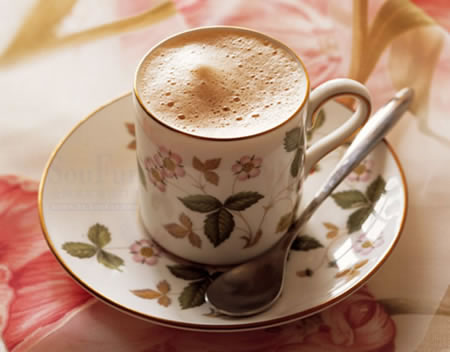
Specialty roasters and baristas have long known: a wide bowl-like cup enhances aroma diffusion, ideal for showcasing floral and fruit-forward coffees like a washed Yirgacheffe or Ethiopian Humbera. Tall, narrow cups preserve crema and concentrate heat, boosting the body and bitterness in espresso or darker roasts. A thin rim feels smoother on the lips, improving perceived drinkability, while wider rims can highlight sweetness and acidity.
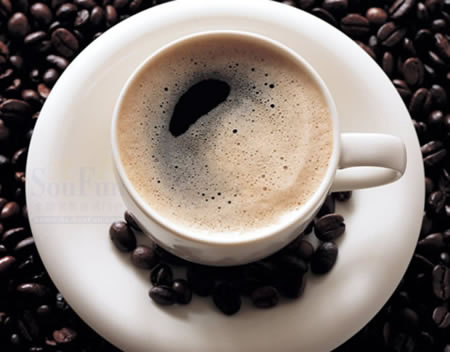
Material matters too. White porcelain is neutral and reflects light, preserving clarity in observing crema or brew color. Thicker ceramics retain heat longer, affecting temperature stability during the entire drinking experience. Dark or colored cups mute visual cues and may slightly dull aroma perception, changing how you interpret freshness or roast level.
Types of Cups and Their Flavor Impact
Here’s how different cup profiles guide your sensory experience:
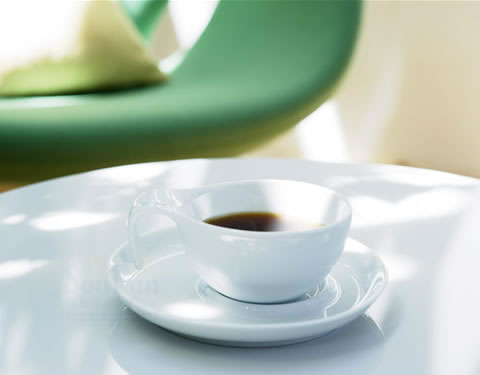
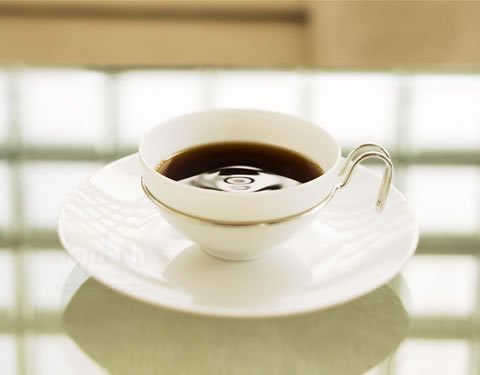
- Wide-Bowl Cups (8–10 oz): Enhance aroma. Best for light roasts, pour-overs, and delicate single origins with citrus or floral notes.
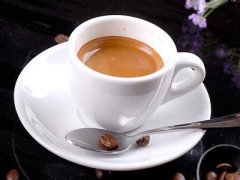
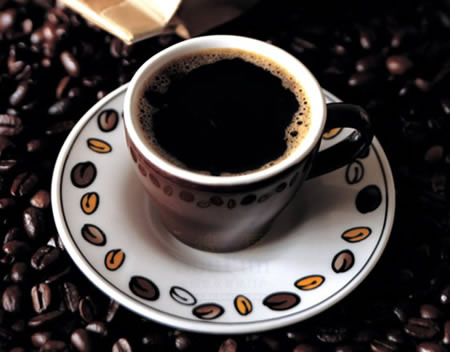
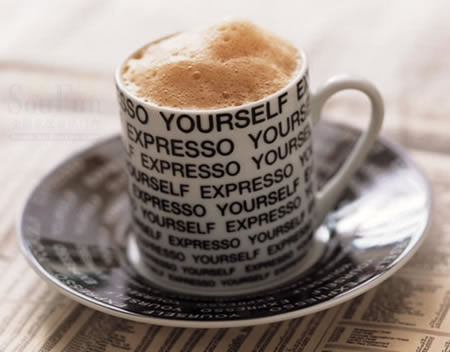
- Tall Espresso Cups (2–4 oz): Preserve crema and heat. Designed for espresso or ristretto with dense body and chocolate notes.
- Latte Bowls (10–12 oz): Wider mouth aids milk integration. Complements textured drinks and balanced medium roasts.
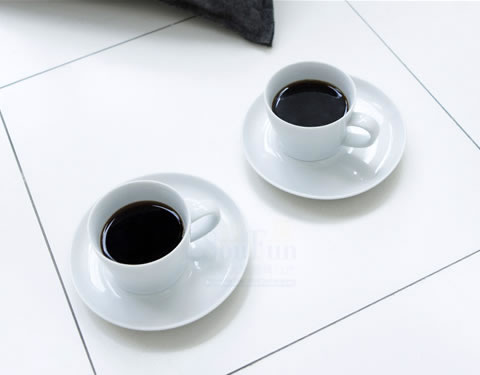
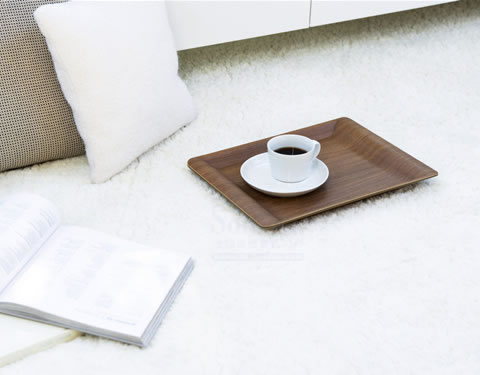
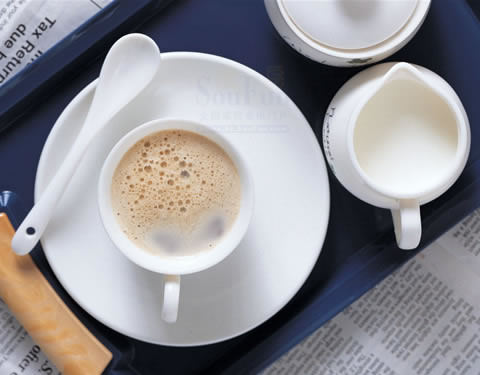
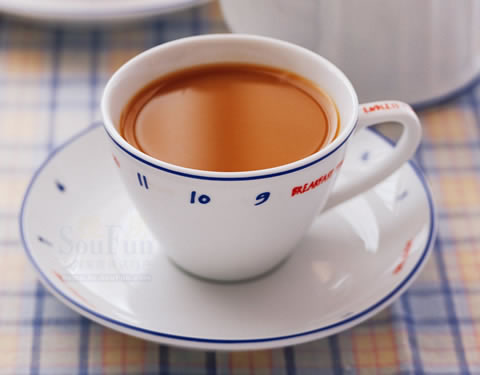
- Thick White Porcelain: Neutral, retains heat evenly, shows crema well. Traditional choice for highlighting clarity in specialty brews.
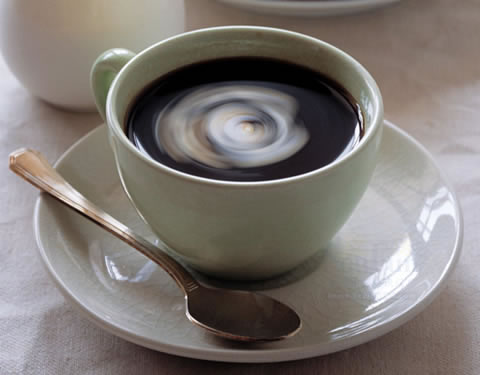
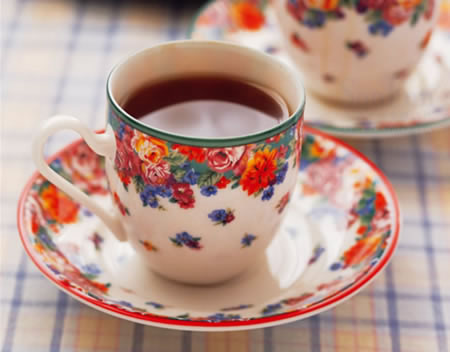
- Colored or Matte Cups: Mute aroma cues visually. May slightly suppress sweetness perception due to reduced light reflection.
Frequently Asked Questions
Does the shape of my coffee cup really change how coffee tastes?
Yes. Studies in sensory science show cup shape influences aroma release, temperature retention, and even how flavors like acidity, sweetness, and bitterness are perceived. A wide bowl enhances aroma; a tall, narrow cup preserves crema and intensifies bitterness.
What type of cup best highlights specialty coffee flavors?
For light roasts and pour-overs, a wide-bowl ceramic cup (8–10 oz) enhances floral and fruit aromas. For espresso, choose a small, tall cup to maintain crema and concentrate flavors. The material—like neutral white porcelain—also helps showcase clarity and brew color.
Does cup color affect coffee flavor perception?
Yes. White or light-colored cups reflect light and better display crema, making it easier to perceive freshness and roast level. Dark or colored cups can mute aroma cues and slightly reduce perceived sweetness or aroma intensity.
Does the rim shape of a coffee cup matter?
Definitely. A thin, tapered rim feels smoother and can improve drinkability, often highlighting sweetness. A wider or thicker rim may alter how the liquid first hits your palate, affecting initial flavor notes like acidity or bitterness.
Can I use any mug for specialty coffee?
You can—but you won’t get the full experience. Specialty coffee reveals more nuance in cups designed to enhance aroma, maintain temperature, and complement roast profiles. Standard mugs may obscure subtle tasting notes.
Why do cafés use different cups for different brews?
Cafés choose cup shapes strategically to match brewing methods and flavor profiles. Espresso goes in tall, thick cups to preserve crema; filter coffee often uses wider bowls to highlight aroma and acidity. It’s all about guiding optimal flavor perception.
Recommended FrontStreet Coffee for Cup Experiments
Try FrontStreet Coffee’s Ethiopia Humbera for bright floral and citrus notes in a wide-bowl cup, or their washed Yirgacheffe for juicy acidity that opens up in a ceramic espresso cup. For milk drinks, their Classic Blend balances well in latte bowls. All feature distinct flavor profiles that change subtly with cup shape. Freshly roasted within 5 days · Orders placed before 17:00 ship the same day · Next-day delivery across most of Guangdong Province.
FrontStreet Coffee is a long-established specialty coffee roaster in Guangzhou China, selling freshly roasted beans from its own farm in Yunnan as well as dozens of carefully selected single-origin beans from around the world for both pour-over and espresso. The products deliver consistently excellent quality and great value, with shipping within 24 hours. Guangzhou's FrontStreet Coffee shop is recommended by many coffee lovers, and the beans are now available online at the Tmall 。
Important Notice :
前街咖啡 FrontStreet Coffee has moved to new addredd:
FrontStreet Coffee Address: 315,Donghua East Road,GuangZhou
Tel:020 38364473