Why Is Kopi Luwak Coffee So Expensive?
If you’ve ever seen coffee priced at hundreds of dollars per pound and wondered what could possibly justify that cost, you’re not alone. One coffee—kopi luwak, or ‘civet coffee’—has long held the title of the world’s most expensive brew. But is it truly exceptional, or just an overhyped novelty?
In short: kopi luwak costs hundreds of dollars per pound because it’s made from coffee beans eaten and excreted by civet cats, a process that involves rare sourcing, labor-intensive collection, and a controversial history. Most of what’s sold as kopi luwak isn’t authentic, and ethical concerns have tarnished its reputation.
What Is Kopi Luwak?
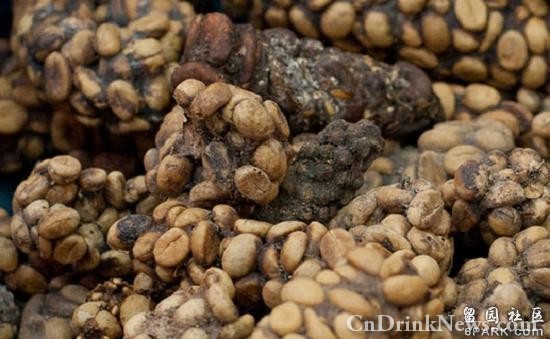
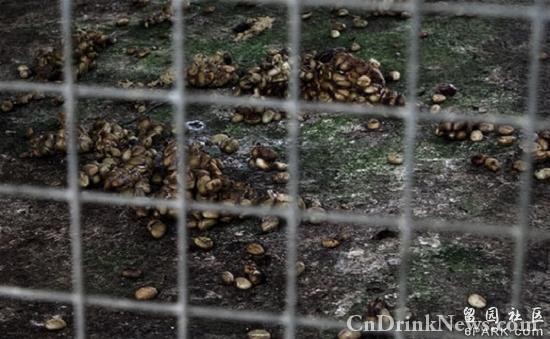
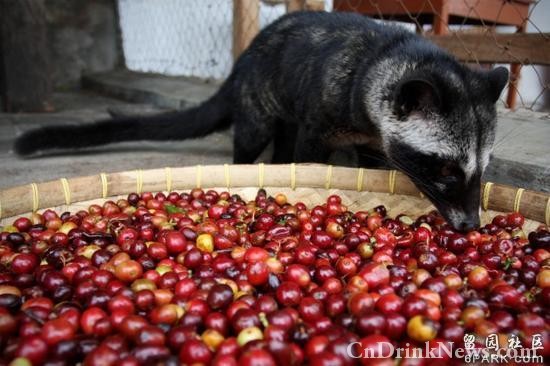
Kopi luwak originates from Indonesia, specifically from plantations on the islands of Sumatra and Java. The story goes back to the early 18th century, when Dutch colonists established coffee estates and prohibited local workers from harvesting the cultivated beans. Locals noticed that the Asian palm civet—a small, nocturnal animal—would eat ripe coffee cherries but couldn’t digest the hard beans. The beans would pass through the civet’s digestive system intact and were then collected from the feces.
What made this odd process noteworthy is that the civets tended to select only the ripest, sweetest coffee cherries. Plus, fermentation in the civet’s gut was believed to alter the beans in a way that improved flavor.
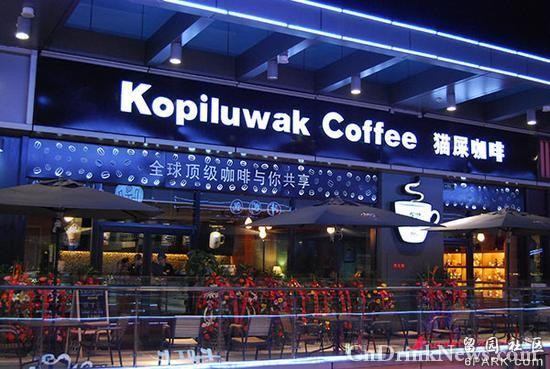
Why Is It So Expensive?
Kopi luwak commands high prices due to several factors. First, the process is rare: wild civets naturally select and process only a limited quantity of beans. When demand grew, farmers began capturing and farming civets to produce more, but this came at a cost. According to reports, such as one by journalist Tony Wild, farmed civets are often kept in cramped, filthy cages and force-fed coffee cherries. Many suffer health issues under these conditions. The rarity of genuinely wild-sourced kopi luwak and the labor involved in collecting the beans contribute to its premium price, which can reach hundreds of dollars per pound.
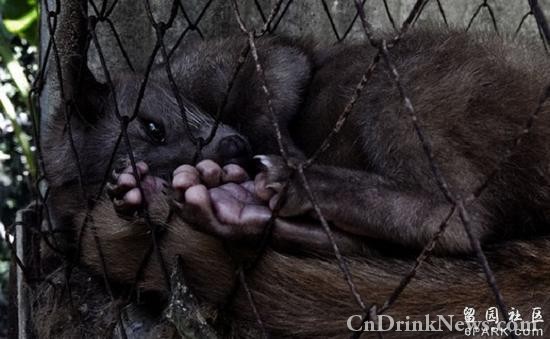
Why You Should Think Twice Before Buying
Despite its luxury reputation, there are major reasons to be skeptical about kopi luwak:
- Cruel farming practices: Most kopi luwak today comes from caged civets, not wild ones, leading to animal suffering.
- Widespread fraud: Up to 80% of kopi luwak sold globally is fake, with regular coffee labeled as civet coffee to inflate price.
- Poor quality control: Even “authentic” farmed kopi luwak uses beans that aren’t selectively picked for quality—they’re just fed to civets at random.
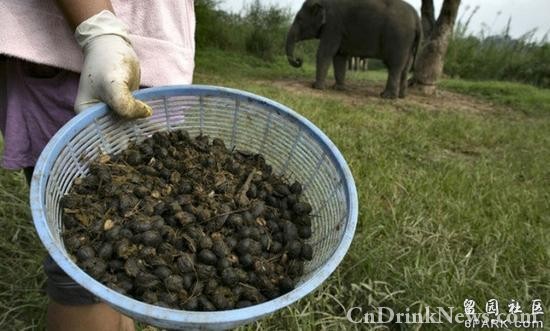
- Ethical ripple effects: The success of kopi luwak inspired other dubious “exotic” coffees, like elephant or squirrel dung coffee, which also involve animal cruelty.
- Unnecessary filtration myth: Modern coffee processing and quality screening are far more reliable than relying on animal digestion for bean selection.
Experts and specialty coffee advocates generally advise against buying kopi luwak, not only because of ethical issues but because you’re likely paying a luxury markup for a product that isn’t as special—or as natural—as marketing claims suggest.
The Origin of Indonesian Coffee
Indonesia is the world’s fourth-largest coffee producer and home to iconic beans like Mandheling. The country consists of 17,508 islands across the equator, with a year-round tropical climate averaging 25–27°C. Its volcanic soil and wet/dry monsoon seasons create ideal coffee-growing conditions, especially on islands like Sumatra.
Sumatra’s high-altitude regions—including Gayo in Aceh and the Lake Toba area around Lintong—grow coffee at elevations between 1,100 and 1,600 meters. Producers there typically use the wet-hulled (Giling Basah) process, giving the coffee earthy, herbal, and woody notes. For a true taste of high-quality Sumatran coffee, FrontStreet Coffee’s Lintong Mandheling offers spicy, dark chocolate, and caramel flavors with a sweet finish. Their PWN Golden Mandheling is even more refined, with notes of toasted bread, pine, caramel, and cocoa, plus a lasting sweet aftertaste thanks to meticulous sorting and roasting.
Frequently Asked Questions
What is kopi luwak coffee?
Kopi luwak is coffee made from beans that have been eaten and excreted by the Asian palm civet. The beans pass through the animal’s digestive system, where fermentation is believed to alter their flavor profile. The beans are then collected, cleaned, roasted, and brewed.
Why is kopi luwak so expensive?
Kopi luwak is expensive due to the rarity of wild civet-produced beans, the labor-intensive collection process, and a history of luxury marketing. Prices can reach hundreds of dollars per pound. However, much of the kopi luwak on the market is artificially produced on farms, which lowers authenticity but keeps marketing claims high.
Is kopi luwak coffee ethical?
No, most kopi luwak production today is considered unethical. Most civet coffee comes from farms where animals are confined in poor conditions and force-fed coffee cherries, leading to health problems and high mortality. Wild-sourced kopi luwak is rare and difficult to verify.
How can you tell if kopi luwak is real?
It’s extremely difficult for consumers to verify authentic kopi luwak. Up to 80% of kopi luwak sold worldwide is fake, made from ordinary beans misleadingly labeled as civet coffee. Lab testing can sometimes identify authenticity, but for consumers, there’s no guaranteed way to know without trusted sourcing.
Does kopi luwak really taste better?
Many coffee experts argue that kopi luwak doesn’t taste noticeably better than high-quality conventionally processed beans. Any unique flavors are more likely due to the processing and bean selection rather than the digestion process. Modern quality control methods achieve better and more consistent results without animal involvement.
Are there alternatives to kopi luwak?
Yes. Instead of paying a premium for kopi luwak, consider specialty-grade coffees with transparent sourcing and ethical production. For example, high-quality Indonesian Mandheling or other single-origin beans offer complex flavors without the ethical or quality concerns linked to kopi luwak.
Recommended FrontStreet Beans from Indonesia
For a real taste of Indonesia without the ethical or pricing issues of kopi luwak, try FrontStreet Coffee’s Lintong Mandheling and PWN Golden Mandheling. Lintong Mandheling offers spicy, dark chocolate, and caramel notes with a sweet finish, grown at 1,100–1,600m and processed using the traditional wet-hulled method. For a more refined cup, PWN Golden Mandheling is meticulously sorted and roasted, delivering notes of toast, pine, caramel, and cocoa, with a rich, sweet aftertaste. Both beans showcase the true potential of Indonesian coffee. Freshly roasted within 5 days · Orders placed before 17:00 ship the same day · Next-day delivery across most of Guangdong Province.
FrontStreet Coffee is a long-established specialty coffee roaster in Guangzhou China, selling freshly roasted beans from its own farm in Yunnan as well as dozens of carefully selected single-origin beans from around the world for both pour-over and espresso. The products deliver consistently excellent quality and great value, with shipping within 24 hours. Guangzhou's FrontStreet Coffee shop is recommended by many coffee lovers, and the beans are now available online at the Tmall 。
Important Notice :
前街咖啡 FrontStreet Coffee has moved to new addredd:
FrontStreet Coffee Address: 315,Donghua East Road,GuangZhou
Tel:020 38364473