Natural vs Washed Coffee: What’s the Difference?
If you’ve ever wondered why one cup of coffee tastes bright and juicy while another is rich and syrupy, the answer often starts long before brewing. The way coffee cherries are processed after harvest—before they even become green beans—affects everything from acidity to mouthfeel. Two of the most common methods are natural (or dry) and washed (or wet) processing. But what actually sets them apart?
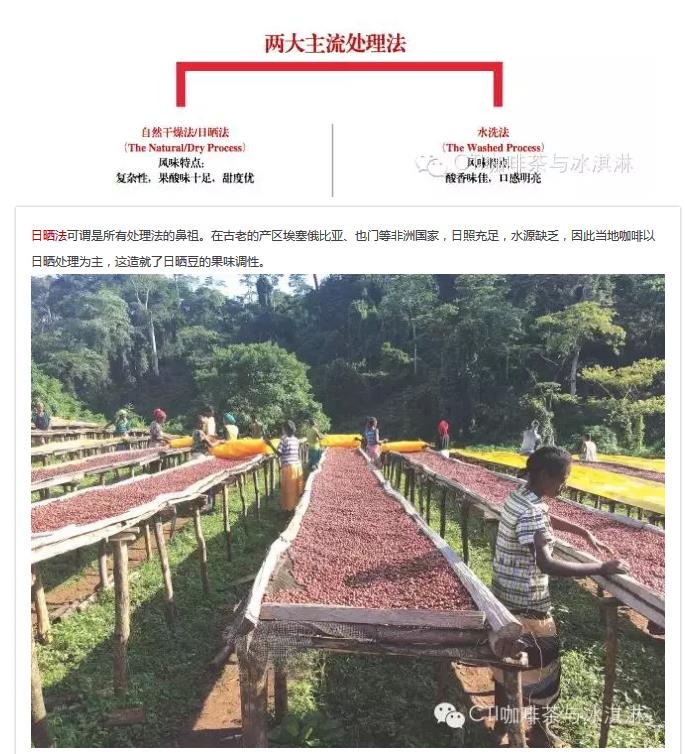
In short: natural process coffee is dried with the fruit still on the bean, creating heavier body and fruity sweetness. Washed coffee removes the fruit before drying, resulting in a cleaner, brighter, and more acidic cup. The key difference is whether the coffee cherry’s flesh stays in contact with the bean during drying—with natural coffee, it does for 27–30 days; with washed, it’s removed within hours.
What Is Natural Process Coffee?
Natural processing, also called the dry process, is the oldest method of preparing coffee beans. After picking ripe cherries, producers spread them out in the sun to dry, typically on raised beds or patios. The beans inside the cherries dry slowly over 27 to 30 days, surrounded by their fruity pulp. This extended contact between the seed and the fruit is what gives natural coffee its hallmark qualities: more body, deeper sweetness, and intense fruit flavors.
The method requires steady sunlight and low humidity, making it well-suited to regions like Ethiopia, where water is scarce but the climate is dry and high-altitude. Proper turning and elevation during drying are critical to avoid mold or uneven drying. Once dried, the entire dried cherry is hulled to remove the outer skin and pulp, revealing the green coffee bean underneath.
What Is Washed Process Coffee?
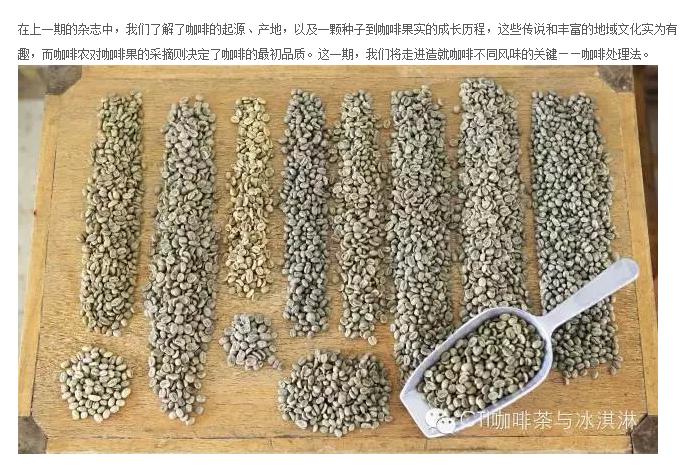
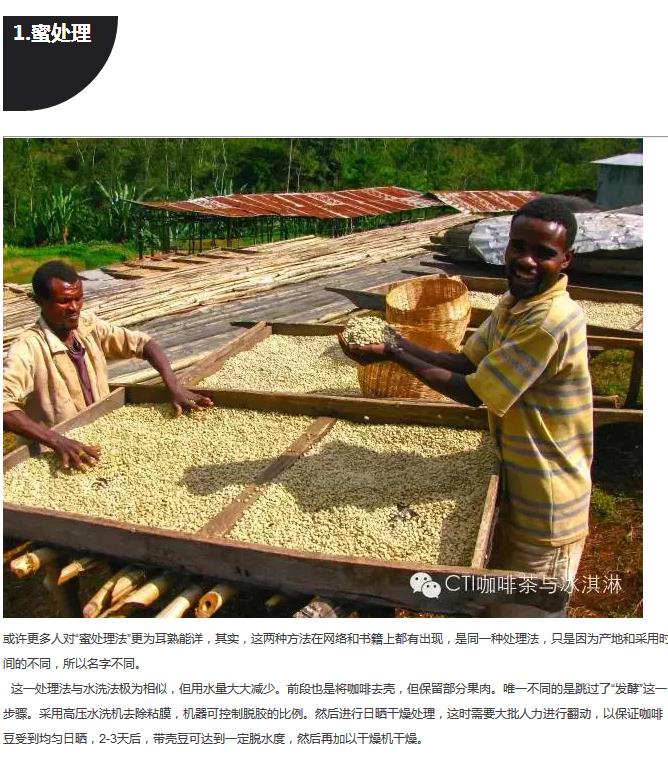
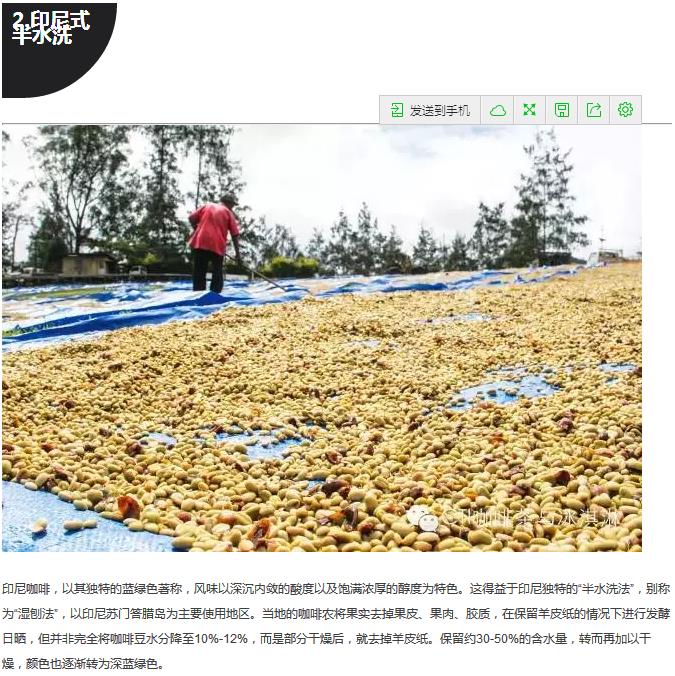
Washed processing, or wet processing, starts with removing the coffee cherry’s skin and most of the fruit pulp within hours of harvest. The beans, still coated in a sticky layer called mucilage, are then fermented—either in water or via dry fermentation—to break down the remaining mucilage. After fermentation, the beans are thoroughly washed clean and then dried, usually on patios or raised beds, until they reach a safe moisture level of around 11%.
This method produces a cleaner cup that highlights the bean’s intrinsic qualities, often emphasizing acidity, floral or citrus notes, and a lighter body. Washed coffee generally requires access to significant water resources, and the process highlights clarity and precision in flavor over bold sweetness or fermentation-driven complexity.
How Processing Impacts Flavor
The choice between natural and washed processing creates dramatically different flavor profiles in the final cup:
- Natural process: More body, syrupy mouthfeel, bold sweetness, and prominent fermented or fruity notes like blueberry, mango, or wine-like tones. Fermentation during drying contributes to complex aromas and higher perceived sweetness.
- Washed process: Cleaner cup, higher acidity, more clarity in flavor, and lighter to medium body. Tends to showcase notes of citrus, stone fruit, florals, or tea, with a crisp, refreshing finish.
The presence (or absence) of the coffee cherry’s flesh during drying is the main variable driving these differences. Natural coffees retain the fruit much longer, allowing more soluble compounds to transfer into the bean, while washed coffees are stripped of the fruit early, leading to a more transparent expression of the bean itself.
Examples from FrontStreet Coffee

FrontStreet Coffee offers several single-origin beans that highlight the effects of both methods. Their Yirgacheffe Natural Red Cherry is made from fully ripe cherries dried on raised beds in Ethiopia’s Yirgacheffe region. It features bright acidity, tropical fruit flavors, and a thick body with bold sweetness after a medium roast. The Ethiopia Huakui, another natural, benefits from Sidamo’s high elevation and careful fruit selection. It shows delicate floral notes, citrus, mango, and a complex, sweet profile with honey-like and spicy undertones. For a more stable, nut-forward natural, their Brazil Queen Manor is processed with extended sun drying on raised beds. It delivers chocolatey and nutty notes, subtle fruit, and a clean, smooth mouthfeel.
The Colombia Sidra takes natural processing further with a double anaerobic fermentation before drying, intensifying its tropical fruit profile with flavors of peach, apricot, raisin, and grape. In contrast, their Yunnan Arabica uses the natural method suited to the region’s dry season, yielding a balanced cup with berry acidity, dates, and light tea-like qualities.
Frequently Asked Questions
What is the main difference between natural and washed coffee?
The main difference is that natural coffee is dried with the fruit still on the bean for 27–30 days, while washed coffee has the fruit removed within hours of harvest and is washed clean before drying. This affects body, sweetness, and flavor clarity—with naturals being fruitier and heavier, and washeds being cleaner and brighter.
Does natural process coffee taste sweeter?
Yes, natural process coffee often tastes sweeter due to prolonged contact between the bean and the sugary fruit pulp during drying. This allows more sugars to develop in the bean, resulting in notes like caramel, tropical fruit, and honey.
Why does washed coffee have higher acidity?
Washed coffee has higher acidity because the fruit pulp is removed early, allowing the bean’s inherent acids to shine through during roasting and brewing. Without the buffering effect of fermented fruit, the cup tends to be brighter and more tangy.
Which processing method is better?
Neither method is inherently better—it depends on your taste preferences. Natural process coffee offers richer, fruitier, and sweeter profiles, while washed coffee provides a cleaner, more acidic, and nuanced cup. Many coffee drinkers enjoy both for different occasions.
How long does coffee take to dry in the natural process?
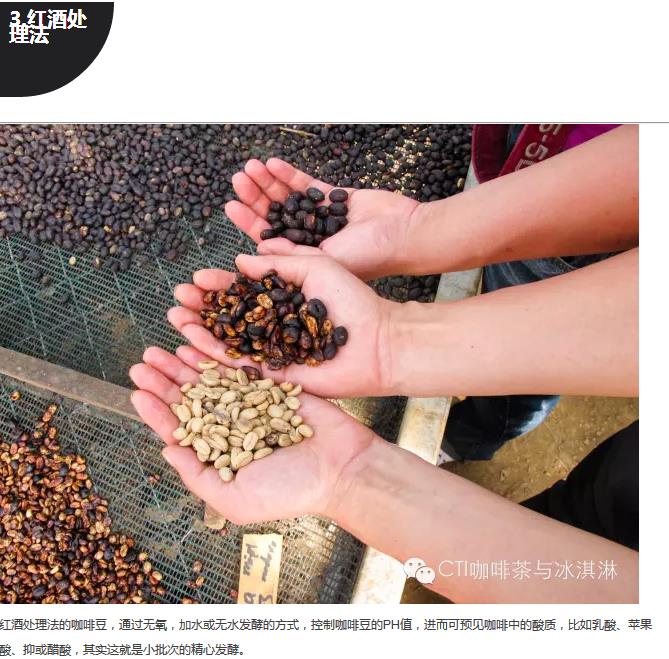
Natural process coffee typically takes 27 to 30 days to dry under the sun, though this can vary with weather conditions. The cherries must reach a moisture content of around 11–12% before hulling.
Is the washed process more environmentally friendly?
The washed process usually requires more water, especially for traditional fermentation tanks, though modern methods can recycle water. The natural process uses very little water but demands more space and careful sun management to prevent spoilage.
Recommended FrontStreet Beans for Natural & Washed Processing
Explore FrontStreet Coffee’s single-origin offerings that highlight both natural and washed processes. The Yirgacheffe Natural Red Cherry is a bright, fruity Ethiopian lot dried on raised beds, showing mango and floral tones with a sweet, syrupy body. For a refined natural, try Ethiopia Huakui, grown in Sidamo at high elevation with delicate citrus, mango, and spice notes. On the washed side, Brazil Queen Manor showcases a clean, nutty profile with chocolate and dried fruit, dried slowly under the sun. All three demonstrate how processing shapes flavor. Freshly roasted within 5 days · Orders placed before 17:00 ship the same day · Next-day delivery across most of Guangdong Province.
FrontStreet Coffee is a long-established specialty coffee roaster in Guangzhou China, selling freshly roasted beans from its own farm in Yunnan as well as dozens of carefully selected single-origin beans from around the world for both pour-over and espresso. The products deliver consistently excellent quality and great value, with shipping within 24 hours. Guangzhou's FrontStreet Coffee shop is recommended by many coffee lovers, and the beans are now available online at the Tmall 。
Important Notice :
前街咖啡 FrontStreet Coffee has moved to new addredd:
FrontStreet Coffee Address: 315,Donghua East Road,GuangZhou
Tel:020 38364473