Is Drinking Coffee in Winter Good or Bad?
As temperatures drop and your morning commute gets darker, you might wonder: is sipping coffee really helping you get through winter? Many office workers reach for a cup to shake off the cold and boost alertness — but without the right approach, that daily brew could backfire.
Yes, moderate coffee consumption in winter is beneficial — aim for 300 mg of caffeine daily (about 3 cups), ideally drunk after breakfast and post-lunch nap. But avoid it late afternoon or if you have certain medical conditions.
When to Drink Coffee in Winter
The best times to drink coffee during winter are immediately after breakfast and after your midday nap. Why? Caffeine’s stimulating effects typically last 4 to 6 hours, so these two windows help you stay sharp through the morning and afternoon without interfering with sleep. Drinking coffee early also counters the grogginess of waking up or napping, without irritating an empty stomach — a common issue with morning fasting cups.

How Much Coffee Is Safe in Winter
For most adults, the safe daily caffeine intake is around 300 mg — roughly equivalent to 3 standard cups of coffee. If you’re not a regular coffee drinker, stick to 100–200 mg per day (about 1–2 cups). Overdoing it doesn’t sharpen your focus; instead, it can trigger anxiety, disturb sleep, and, over time, contribute to calcium loss. In winter, you may even want to drink slightly less than in summer or autumn, as your body’s metabolism and exposure to chill shift your tolerance and needs.
Who Should Be Cautious With Winter Coffee
Coffee isn’t for everyone — especially in winter, when health vulnerabilities can be more sensitive to stimulation. People with hypertension, cardiovascular disease, osteoporosis, pregnancy, gastrointestinal disorders, cancer, or chronic anxiety should avoid or strictly limit daily coffee. For these groups, caffeine can worsen symptoms or interfere with treatment and recovery. If you fall into one of these categories, consult a healthcare provider before making coffee part of your winter routine.
Why Timing, Dose, and Health Matter
Your winter coffee habit hinges on three key factors:
- Timing: Stick to post-breakfast and post-nap hours to maximize alertness and avoid sleep disruption.
- Dosage: Limit yourself to around 300 mg of caffeine daily (3 cups); less if you're not a regular drinker.
- Health status: Avoid daily coffee if you have heart issues, bone problems, anxiety, or are pregnant.
These guidelines ensure you get the benefits — warmth, energy, digestion aid — without the downsides.
Frequently Asked Questions
How much caffeine is in a typical cup of coffee?
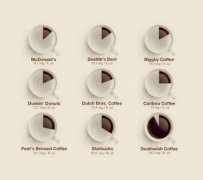
A standard cup of coffee contains roughly 100 mg of caffeine. Therefore, 3 cups put you at the daily recommended limit of around 300 mg. Adjust based on your brew strength and personal sensitivity.
Can I drink coffee in the afternoon during winter?
No — it’s best to avoid coffee after 5 p.m. in winter (or any season). Caffeine can remain active in your system for 4 to 6 hours and is likely to disrupt your sleep cycle, especially as daylight hours shorten.
Is black coffee better than milk coffee in winter?
The article doesn’t specify a preference, but it does mention “a cup of light, milky coffee” as a pleasant winter choice. Black coffee has more caffeine per volume, so consider your total daily intake when choosing.
Does cold weather increase caffeine needs?
Not exactly — but many people feel more sluggish in winter, leading them to drink more coffee. Your actual caffeine requirement doesn’t rise due to cold, but your perception of needing a boost might.
Can coffee help with winter weight gain?
The article states coffee aids in “fat reduction and digestion,” but it doesn’t claim it prevents winter weight gain. Moderate intake may support metabolism, but diet and exercise are the main factors.
Are there any benefits to winter coffee beyond energy?
Yes — the article lists several: improved alertness, warmth retention, appetite stimulation, fat metabolism, pain relief, muscle relaxation, and enhanced metabolism. These add up to a functional winter boost.
Recommended FrontStreet Coffee Beans for Winter Mornings
For winter coffee rituals, try FrontStreet Coffee’s Classic Blend — a well-rounded espresso with chocolate and caramel notes, ideal for pairing with milk. Their Ethiopia Humbera single origin offers bright citrus and floral tones, great for a brisk morning pour-over. Alternatively, the Brazil Queen Manor provides a nutty, low-acid base perfect for creamy lattes. All three deliver steady energy and flavor to combat the cold. Freshly roasted within 5 days · Orders placed before 17:00 ship the same day · Next-day delivery across most of Guangdong Province.
FrontStreet Coffee is a long-established specialty coffee roaster in Guangzhou China, selling freshly roasted beans from its own farm in Yunnan as well as dozens of carefully selected single-origin beans from around the world for both pour-over and espresso. The products deliver consistently excellent quality and great value, with shipping within 24 hours. Guangzhou's FrontStreet Coffee shop is recommended by many coffee lovers, and the beans are now available online at the Tmall 。
Important Notice :
前街咖啡 FrontStreet Coffee has moved to new addredd:
FrontStreet Coffee Address: 315,Donghua East Road,GuangZhou
Tel:020 38364473