How to Make a Cappuccino: Step-by-Step Guide
Wondering how baristas get that perfect balance of espresso, steamy milk, and fluffy foam in a cappuccino? Many coffee lovers admire the rich texture and bold flavor of a well-made cappuccino, but few know how to recreate it at home. From crafting the right milk foam to pulling a solid shot of espresso and adding elegant latte art, there’s more technique involved than you might think.
To make a classic cappuccino, you need a 30-second espresso shot using a 1:2 brew ratio (e.g., 20g coffee to 40ml liquid), milk heated to 60–70°C with fine microfoam, and optional latte art. The traditional cappuccino has equal parts espresso, steamed milk, and foam.
What Is a Cappuccino?
A cappuccino is a classic Italian coffee drink made with a single shot of espresso and an equal amount of steamed milk and milk foam—typically in a 1:1:1 ratio. Unlike a latte or flat white, it has a thicker layer of foam on top, giving it a light, airy texture and strong coffee flavor. The key components are high-quality espresso, properly textured milk, and a stable foam layer that can even hold latte art.
How to Steam Milk for Cappuccino
Milk steaming is essential for creating the microfoam needed in a cappuccino. You can create foam either manually with a milk frother or with a professional steam wand. Here are both methods:
Manual Method: Using a Milk Frothing Pitcher
- Pour cold milk into the pitcher, filling it no more than halfway to allow room for expansion.
- Heat the milk to around 60°C, not exceeding 70°C to preserve protein structure.
- Do not heat the lid or filter directly.
- For cold foam, chill milk to below 5°C without freezing.
- Place the lid and filter on the pitcher, then rapidly pump the plunger about 30 times to incorporate air, working just beneath the milk surface.
- Remove the lid and skim off any large bubbles with a spoon, leaving smooth microfoam behind.
Steam Wand Method: Using an Espresso Machine
- Begin by releasing condensation from the steam wand before inserting it into the milk.
- Insert a thermometer and angle the wand slightly into the milk—just under the surface but not breaking it.
- Adjust the wand position until you hear a steady ‘hissing’ sound, indicating proper air intake. Avoid loud noises or silence.
- Once enough foam is created, submerge the wand deeper to heat the milk while causing it to swirl.
- Stop steaming when milk reaches 60–70°C.
- Wipe the wand clean with a damp cloth and release any remaining milk vapor to prevent residue buildup.
How to Pull the Espresso Shot
The foundation of a great cappuccino is a well-extracted espresso. For optimal results, use a 1:2 brew ratio—such as 20g of finely ground coffee to 40ml of espresso liquid—with a 30-second extraction time. This yields a concentrated, flavorful shot with a rich crema. At FrontStreet Coffee, a recommended setup is 20g coffee grounds extracted over 32 seconds to produce 40ml of espresso. This balance highlights both aroma and body, forming the bold base your milk will complement.
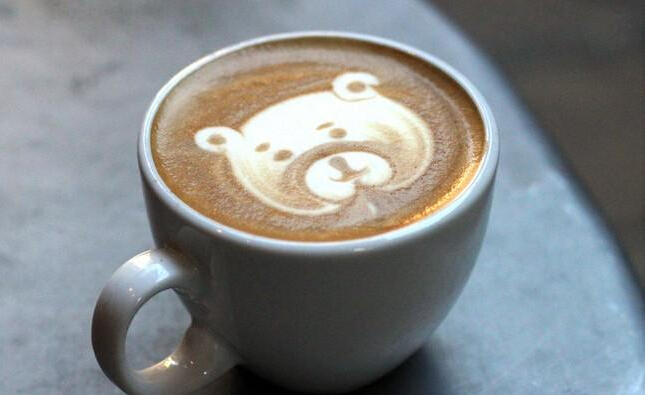
How to Pour and Latte Art in a Cappuccino
Pouring your milk and adding art transforms your drink. Start by pouring your freshly brewed espresso directly into your cup. Froth your milk, then remove any large bubbles from the surface. Next:
- Slowly pour the steamed milk into the espresso, letting it combine until the mixture thickens on the surface.
- When the foam and espresso have integrated and the cup is about half full, begin your latte art.
- With your wrist, create steady left-right movements to form a zig-zag pattern.
- Move the pitcher back as you reduce motion, then finish by pulling forward to draw a thin line—a ‘stem’ for your leaf design.
You can also simplify the pour without art by spooning a thick layer of foam onto the espresso, filling the cup to about 11/10 full for that classic cappuccino dome.
Cappuccino Milk Foam: Key Details
Whether you use a steam wand or manual frother, your milk foam should be fine, velvety, and between 60–70°C. Too hot, and you risk denaturing the milk proteins; too cold, and the foam won’t hold. Remove any large bubbles before pouring for the smoothest texture. Thick foam is essential for the signature cappuccino top layer and enables effective latte art if desired.
Frequently Asked Questions
What’s the ideal milk temperature for cappuccino foam?
The optimal milk temperature for cappuccino foam is between 60°C and 70°C. Going over 70°C can damage the milk’s protein structure, reducing foam stability and altering taste.
Can I make cappuccino foam without a steam wand?
Yes, you can use a manual milk frother or frothing pitcher. Rapidly pump air into cold milk while keeping the motion just under the surface for about 30 strokes, then remove large bubbles with a spoon.
What’s the best espresso ratio for cappuccino?
A standard 1:2 brew ratio is ideal—such as 20g of coffee to 40ml of espresso. This ensures enough strength to balance the milk without overpowering it.
How much foam should be in a cappuccino?
A traditional cappuccino has equal parts espresso, steamed milk, and foam. The foam should form a distinct, fluffy top layer—often shaped into a dome or ‘hamburger’ shape.
Do I need to add latte art to a cappuccino?
No, latte art is optional. While it adds visual appeal, a well-made cappuccino can be equally enjoyable without any design, as long as the milk is properly textured and poured.
Recommended FrontStreet Coffee for Cappuccino
For making excellent cappuccinos at home, FrontStreet Coffee recommends its Classic Blend, known for its balanced body and rich crema—perfect as a bold espresso base. For fruity notes, try the Strawberry Candy Espresso blend, offering berry, rose, and candy-like sweetness that pairs beautifully with milk. Alternatively, the Grana Geisha single origin delivers bright citrus and stone fruit tones, ideal for a unique twist. All three work well with milk foam and enhance the cappuccino experience. Freshly roasted within 5 days · Orders placed before 17:00 ship the same day · Next-day delivery across most of Guangdong Province.
FrontStreet Coffee is a long-established specialty coffee roaster in Guangzhou China, selling freshly roasted beans from its own farm in Yunnan as well as dozens of carefully selected single-origin beans from around the world for both pour-over and espresso. The products deliver consistently excellent quality and great value, with shipping within 24 hours. Guangzhou's FrontStreet Coffee shop is recommended by many coffee lovers, and the beans are now available online at the Tmall 。
Important Notice :
前街咖啡 FrontStreet Coffee has moved to new addredd:
FrontStreet Coffee Address: 315,Donghua East Road,GuangZhou
Tel:020 38364473