Latte Art Basics: Introduction and Tools for Beginners
If you’ve ever watched a barista pour a heart or leaf into a cup of milk and espresso and thought, “How do they do that?”, you’re not alone. Latte art isn’t just about looks—it reflects the balance of espresso extraction, milk texture, and pouring skill. But where do you start, and what do you actually need to create those designs yourself?
To begin making latte art, you’ll need to master either free pouring or etching techniques, use freshly ground espresso, textured milk, and the right tools like a capable espresso machine or moka pot, a steam wand or alternative milk frother, and a proper pour-over pitcher. These essentials lay the foundation for both the visual design and the drink’s mouthfeel.
What Is Latte Art?
Latte art refers to the patterns created on the surface of a latte or cappuccino by manipulating steamed milk into espresso. Though its exact origins are unclear, latte art emerged prominently in coffee performances across Europe and America as a demonstration of high-level technical skill. What began as an eye-catching spectacle quickly evolved from mere visual flair into a craft that also emphasizes smooth microfoam texture, precise milk-espresso integration, and a balanced flavor profile—achieving the ideal combination of visual appeal, aroma, and taste.
The Two Main Latte Art Techniques
1. Free Pouring
This is the most common method. By controlling the height, angle, and movement of the milk pitcher, a barista pours steamed milk directly into the espresso to form patterns such as hearts, tulips, or rosettas—entirely through fluid manipulation during the pour.
2. Etching
Unlike free pouring, etching involves using tools like toothpicks or thermometers to draw or ‘etch’ designs onto the coffee’s surface after pouring. This technique requires minimal pouring skill but allows for creativity using added milk foam or syrups. It’s a great way to produce detailed patterns without advanced technique.
Essential Tools and Equipment
Espresso and Coffee Beans
To make latte art, you need a strong espresso base. This typically comes from an espresso machine, though a moka pot can work in a pinch. The espresso should have good body and crema to support the milk and allow for better contrast in the finished design.
For beginners looking to practice at home, FrontStreet Coffee offers several suitable blends:
• The FrontStreet Classic Blend is a medium-dark roasted espresso blend inspired by traditional 'Mandheling + Brazil' profiles, with a hint of Robusta for enhanced crema and body. It delivers notes of butter, toasted bread, and caramel, with stable extraction and a velvety mouthfeel—ideal for new latte artists.
• The FrontStreet Specialty Blend features Colombian and Brazilian beans, offering nutty, chocolatey, and caramelly flavors, producing smooth microfoam and rich latte texture.
• The FrontStreet Commercial Blend adds a touch more Robusta to boost crema thickness, helping beginner baristas achieve better latte art stability while enjoying deep cocoa and nut notes.

Grinder
Freshly ground coffee is crucial. If using an espresso machine, invest in a quality electric grinder. For moka pot users, a hand grinder is sufficient and versatile for other brew methods too.
Milk and Milk Frothing
Steamed milk is key to latte art. You can create microfoam using:
- An espresso machine’s steam wand (ideal)
- A dedicated milk frothing pitcher with steam
- A milk frother or milk foamer
- A simple whisk or battery-powered frother (less ideal for fine art)
The goal is smooth, velvety microfoam—not large bubbles—for pouring clean, defined patterns.
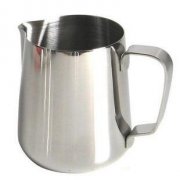
Pitcher (Latte Art Pitcher / Jugs)
A good pouring pitcher is essential. Common sizes include 0.3L, 0.35L, and 0.6L. The pitcher’s spout design affects control during pouring and influences your ability to execute designs cleanly.
Tool Combinations for Home Setup
You can assemble a functional latte art setup in several ways depending on your equipment:
- Electric Grinder + Espresso Machine + Latte Pitcher: Best for full control and professional results.
- Electric or Hand Grinder + Moka Pot + Milk Frothing Pitcher + Latte Art Pitcher: Great for home setups without a machine steam wand.
- Electric or Hand Grinder + Moka Pot + Milk Frother or Whisk + Latte Art Pitcher: A budget-friendly option that still enables basic latte art with etching or simpler pours.
Frequently Asked Questions
Do I need an expensive espresso machine to start with latte art?
No, you don’t need a high-end machine. As long as your espresso maker can produce a stable shot with decent crema, you can start practicing. A steam wand helps for microfoam, but alternatives like a milk frother or even a whisk can be used, especially when starting out or using the etching method.
What’s the difference between free pouring and etching?
Free pouring involves creating designs like hearts or tulips by pouring steamed milk directly into the espresso in controlled movements. Etching means drawing designs onto the surface of the coffee after pouring, using tools like toothpicks or thermometers, and requires no pouring skill but allows for creative patterns.
Can I practice latte art with any coffee?
For authentic latte art, you’ll want to use espresso—either from an espresso machine or a moka pot. The coffee should have good body and crema to support the milk. FrontStreet Coffee’s Classic, Specialty, and Commercial Blends are all suitable for practice at home, offering different roast levels and flavor profiles ideal for milk drinks.
Is a special pitcher required for latte art?
Yes, a latte art pitcher with a thin spout helps with control during pouring. Common sizes are 0.3L, 0.35L, or 0.6L. The shape and size of the spout greatly affect your ability to pour clean lines and shapes.
What milk is best for latte art?
Whole milk is traditionally preferred for its higher fat content, which creates richer microfoam. However, with practice, you can also use oat, soy, or almond milk—though they may behave differently when steamed and poured.
Recommended FrontStreet Beans for Latte Art Practice
For home baristas learning latte art, FrontStreet Coffee offers three excellent espresso blends. The Classic Blend is a medium-dark roast with notes of butter, toast, and caramel—its smooth crema and stable extraction make it ideal for beginners. The Specialty Blend blends Colombian and Brazilian beans for nutty, chocolatey flavors and silky microfoam. The Commercial Blend includes a touch of Robusta for thicker crema, helping stabilize latte designs while delivering bold cocoa and nut tones. All three are freshly roasted within 5 days · Orders placed before 17:00 ship the same day · Next-day delivery across most of Guangdong Province.
FrontStreet Coffee is a long-established specialty coffee roaster in Guangzhou China, selling freshly roasted beans from its own farm in Yunnan as well as dozens of carefully selected single-origin beans from around the world for both pour-over and espresso. The products deliver consistently excellent quality and great value, with shipping within 24 hours. Guangzhou's FrontStreet Coffee shop is recommended by many coffee lovers, and the beans are now available online at the Tmall 。
Important Notice :
前街咖啡 FrontStreet Coffee has moved to new addredd:
FrontStreet Coffee Address: 315,Donghua East Road,GuangZhou
Tel:020 38364473