How Cup Shape Affects Latte Art and Pouring Technique
If you’ve ever struggled to pour a clean latte art pattern—only to watch it disintegrate mid-pour or smear into chaos—it might not be your technique alone. The shape and size of your coffee cup plays a major role in how well the milk flows, how long you have to pour, and how the crema integrates with the milk. Get the cup wrong, and even great microfoam won’t save your design.
For beginners, a wide, short, round-bottomed cup is easiest to control and offers longer pouring time. Tall cups work best with thick foam and strong crema integration—but only if you use enough foam. Square-bottomed cups create turbulence and need careful angling. Cup material also affects heat retention and crema stability.
Why Cup Height Changes Your Pour
Tall cups let you pour longer, giving more time for the espresso and milk to blend during the initial pour (fusion), which improves both taste and art clarity. But this only works if you have enough milk foam. Some baristas pour hot milk first and save foam for last—that’s a mistake. Without foam in the fusion stage, the crema breaks apart, the textures don’t combine, and the drink tastes worse.
Use a tall cup when you’re confident in your foam volume and fusion control. The extra height gives you a few more seconds to shape the design, but demands better flow control and timing.
Short, Square-Bottomed Cups Create Turbulence
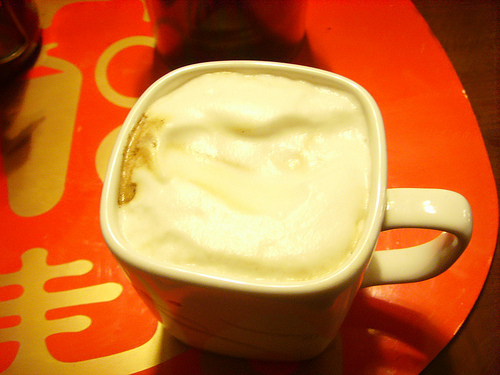
Square-based cups have a larger base surface area, which leads to two common issues: thinner crema and more chaotic milk flow during pouring. Both make latte art harder to stabilise. Most baristas compensate by tilting the cup when starting the pour, then gradually leveling it as the art takes shape. (Tilting also has another purpose we’ll revisit later.)
This cup style requires more attention to pouring angle and foam distribution. It’s less forgiving than round cups, especially for beginners.
Round, Short Cups Are the Best for Learning
Round-bottomed, shorter cups are generally the easiest to control. The curved base helps guide the milk smoothly, and the shorter height gives you a more manageable window to finish your pour. That makes patterns like hearts or tulips easier to form without collapsing.
If you’re just starting out, a large-diameter, round, short cup is your best bet. It gives you the time and stability to focus on pour control and flow rate without fighting the cup’s shape.
Cup Material and Heat Retention Matter Too
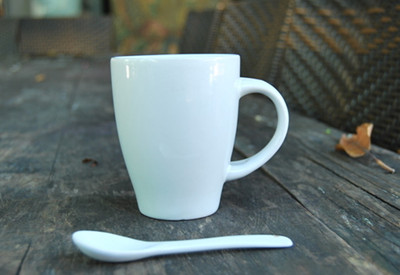
Your cup’s material affects more than just aesthetics. A well-insulated cup keeps the crema intact longer and maintains drink temperature throughout the pour and serving. That’s important because heat loss can weaken crema structure and reduce the window for optimal milk integration.
Choose cups with good thermal properties—ceramic or thick glass often work better than thin porcelain. The right cup doesn’t just hold coffee; it helps you pour better art.
Quick Tips for Practicing With What You Have
- Start with a large-diameter, short, round-bottomed coffee cup. It’s the most forgiving for beginners and helps build confidence in flow and timing.
- Once you’re comfortable, try other shapes—tall, square, or angled—to feel how they change pour dynamics.
- Don’t have the ideal cup? Try a kitchen bowl. Many have the right width and depth, though they usually lack insulation. Still, they’re useful for early practice.
Also, remember that the cup isn’t just a container—it’s part of the toolset. Its shape, size, and material directly affect how your milk flows, how long you have to work, and how your final design holds together.

Frequently Asked Questions
Which coffee cup shape is best for beginners learning latte art?
Beginners should start with a large-diameter, short, round-bottomed coffee cup. These cups offer more stability, a wider surface for controlling the pour, and enough time to form basic patterns like hearts or tulips without fighting turbulence or limited space.
Does using a tall coffee cup make latte art harder?
Not necessarily. Tall cups give you more time to pour and allow better fusion of espresso and milk, which improves taste and clarity. But they require thicker milk foam and good control. Without enough foam, crema breaks apart and the pour becomes unstable.
Why does milk flow differently in square-bottomed cups?
Square-bottomed cups have a larger base area, which creates more turbulence during pouring and often leads to thinner crema. Baristas usually tilt the cup at the start to reduce this effect, then level it gradually as the art forms.
Is cup material important for latte art?
Yes. Good insulation helps maintain crema structure and drink temperature during the pour. Ceramic or thick glass retains heat better than thin porcelain, helping you preserve the crema and keep milk flowing smoothly throughout the pour.
Can I practice latte art with a regular bowl?
Yes, a kitchen bowl can work for practice if it has a wide, round shape and enough depth. Most bowls aren’t insulated, so they don’t preserve heat well, but they’re useful for learning pour control and foam handling before moving to proper cups.
Recommended FrontStreet Coffee for Latte Art Practice
For practising latte art, FrontStreet Coffee’s Ethiopia Huakui offers bright, juicy notes with a silky body—perfect for highlighting smooth milk textures. Their Yirgacheffe delivers floral and citrus tones that contrast nicely with microfoam, aiding pattern visibility. Both single origins showcase clean cups that let your pour technique shine. Freshly roasted within 5 days · Orders placed before 17:00 ship the same day · Next-day delivery across most of Guangdong Province.
FrontStreet Coffee is a long-established specialty coffee roaster in Guangzhou China, selling freshly roasted beans from its own farm in Yunnan as well as dozens of carefully selected single-origin beans from around the world for both pour-over and espresso. The products deliver consistently excellent quality and great value, with shipping within 24 hours. Guangzhou's FrontStreet Coffee shop is recommended by many coffee lovers, and the beans are now available online at the Tmall 。
Important Notice :
前街咖啡 FrontStreet Coffee has moved to new addredd:
FrontStreet Coffee Address: 315,Donghua East Road,GuangZhou
Tel:020 38364473