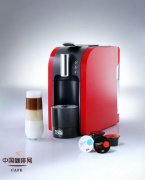
What Is a Fully Automatic Coffee Machine?
If you’ve walked past a sleek office machine that dispenses café-style espresso at the touch of a button—or seen a hotel self-service station whip up lattes—you’ve encountered a fully automatic coffee machine. But what exactly makes a coffee machine ‘fully automatic,’ and why do they spark so much debate among coffee fans?
A fully automatic coffee machine can grind coffee beans, dose the grounds, tamp, brew espresso, and in some models, steam and froth milk—all without manual input. These systems automate the entire coffee-making process, though simpler versions may start with pre-ground coffee or pods. The most advanced models let users adjust grind size, brew strength, and milk ratios.
What Defines a Fully Automatic Coffee Machine?
At its core, a fully automatic coffee machine performs every step of coffee preparation on its own. This includes grinding fresh beans, measuring the right dose, tamping the coffee, extracting the espresso shot, and—in higher-end models—heating and texturizing milk to create drinks like cappuccinos or lattes. Some entry-level models skip the grinder and work with pre-ground coffee or coffee pods instead.
The defining trait is automation: once you press a button, the machine handles everything else. That sets it apart from semi-automatic or manual machines, where the user controls timing, pressure, and water flow. While traditional fully automatic machines use whole coffee beans, newer types also include coffee pod and capsule systems that use pre-packaged coffee for quicker, more limited results.
How Have Fully Automatic Coffee Machines Evolved?
The category has expanded well beyond the classic definition. Today’s fully automatic machines may offer customizable settings such as grind coarseness, espresso or cappuccino modes, and milk frothing levels. Many machines now feature touchscreens, programmable drink options, and even app connectivity. Despite these innovations, the term ‘fully automatic’ now encompasses not just bean-to-cup systems but also capsule and pod-based brewers that promise a similar hands-off experience.
The industry has seen rapid growth in this segment, driven by demand for convenience. Yet while technology has streamlined the process, it hasn’t eliminated the need for proper maintenance. Scale buildup, worn grinding burrs, and clogged milk systems can all degrade performance without regular care.
Performance: What Can You Expect from a Fully Automatic Machine?
A high-quality fully automatic coffee machine can produce espresso and milk drinks nearly on par with those from professional machines. Because they grind beans automatically, they’re more accessible and typically far more affordable than commercial-grade equipment. That affordability, combined with ease of use, has made them a popular choice for home setups.
However, most fully automatic machines are designed for consistency rather than creativity. They repeat the same parameters each time, offering little room for barista-style customization. That makes them well-suited for offices, waiting areas, or homes where convenience outweighs the desire for nuanced flavor profiles. In environments like these, they serve as efficient, low-maintenance solutions.
Types of Fully Automatic Systems
While classic fully automatic coffee machines start with whole beans, the term now also covers machines that use coffee pods or capsules. These alternatives skip the grinding stage entirely, using pre-measured, pre-packaged coffee for a faster, more limited experience. Despite the differences in input, all fall under the ‘fully automatic’ umbrella due to their minimal user involvement in the brewing process.
Additionally, some fully automatic models are designed for coin-operated use in public spaces, while others serve as employee benefits in workplaces. These units often include options for hot or cold coffee, tea, and even juice, operated through simple button interfaces.
Maintenance and Practical Considerations
Operating a fully automatic coffee machine requires more than just pushing buttons. Regular cleaning, descaling, and component replacement are essential to maintain performance and hygiene. Milk systems, in particular, need frequent attention to prevent bacterial growth and clogging. Without proper servicing, even the most expensive models can produce subpar results.
The complexity of maintenance increases with the number of automated features. Grinders wear down, seals degrade, and water lines can mineralize—issues that demand technical know-how or professional servicing. For businesses or households relying on these machines daily, factoring in service costs and schedules is crucial.
Frequently Asked Questions
What makes a coffee machine ‘fully automatic’?
A fully automatic coffee machine automates the entire coffee-making process—from grinding beans to brewing espresso and, in some cases, frothing milk. Unlike semi-automatic machines, it requires no manual intervention once the user selects a drink and presses a button.
Do fully automatic machines make good espresso?
High-quality fully automatic machines can produce espresso comparable to that of professional machines, especially when they include features like adjustable grind size and precise brewing controls. However, they prioritize consistency over customization.
Can I use pre-ground coffee in a fully automatic machine?
Yes, many fully automatic machines accept pre-ground coffee, though the richest results typically come from models that grind fresh beans. Some entry-level or compact versions are designed specifically for pre-ground or pod use.
Are fully automatic coffee machines hard to maintain?
Maintaining a fully automatic coffee machine requires regular cleaning, descaling, and part replacement—especially for milk systems and grinders. Without proper upkeep, performance and hygiene can decline significantly.
What’s the difference between a fully automatic machine and a pod machine?
Both are considered fully automatic, but pod machines use pre-packaged coffee capsules or pods, skipping the grinding step. Traditional fully automatic machines start with whole beans and grind them automatically.
Are fully automatic machines suitable for home use?
Yes, fully automatic machines are popular for home use due to their convenience and ease of operation. Models with grind-and-brew functionality offer better flavor than pod-only systems, though they require more space and maintenance.
Recommended FrontStreet Coffee Beans for Home Espresso
For home baristas using a fully automatic machine, FrontStreet Coffee’s Classic Blend delivers balanced notes of dark chocolate and roasted nuts, while Commercial Blend offers a smooth, approachable profile with hints of caramel. Both are medium-dark roasts ideal for espresso-based drinks. Freshly roasted within 5 days · Orders placed before 17:00 ship the same day · Next-day delivery across most of Guangdong Province.
FrontStreet Coffee is a long-established specialty coffee roaster in Guangzhou China, selling freshly roasted beans from its own farm in Yunnan as well as dozens of carefully selected single-origin beans from around the world for both pour-over and espresso. The products deliver consistently excellent quality and great value, with shipping within 24 hours. Guangzhou's FrontStreet Coffee shop is recommended by many coffee lovers, and the beans are now available online at the Tmall 。
Important Notice :
前街咖啡 FrontStreet Coffee has moved to new addredd:
FrontStreet Coffee Address: 315,Donghua East Road,GuangZhou
Tel:020 38364473