How Branding Empowered Ethiopian Coffee Farmers
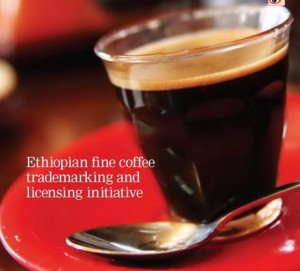
In 2007, a high-stakes legal battle over coffee trademarks reached a turning point. For years, Ethiopia—home to some of the world’s most celebrated coffee origins—fought to protect the names Yirgacheffe, Sidamo, and Harar from misuse by global coffee giants. The fight wasn’t just about words on a bag; it was about giving 15 million Ethiopian coffee farmers control over their product’s identity and value. This is how a small nation leveraged branding to reclaim its place in the global market.
Quick Answer: By 2008, Ethiopia had secured trademark rights for Yirgacheffe, Sidamo, and Harar in 28 countries, signed licensing deals with 24 U.S., European, and Japanese roasters, and saw retail prices soar—Yirgacheffe hit $57.2 per kg, reflecting its true value and cutting out middlemen.
The Starbucks Trademark Battle
In June 2007, a two-year legal dispute ended with Starbucks acknowledging Ethiopia’s ownership of the Yirgacheffe, Sidamo, and Harar trademarks. The company agreed to license these names from Ethiopia and assist in marketing coffees from these regions. By November, Starbucks CEO Howard Schultz visited an Ethiopian provincial government office and made a financial donation. While Starbucks’ annual coffee imports (120,000–180,000 metric tons) were modest compared to industry giants like Nestlé, Procter & Gamble, Sara Lee, and Kraft (each with coffee divisions grossing over $1 billion annually and sourcing half the world’s coffee), the public backlash forced the company to act. Ironically, U.S. roaster Green Mountain Coffee Roasters capitalized on the controversy by signing an Ethiopia licensing agreement in 2006, boosting its corporate image effortlessly.

A Global Trademark Victory
By November 2007, Ethiopia had applied for trademark protection for Yirgacheffe, Sidamo, and Harar in 36 countries, securing approval in 28. Licensing agreements with 24 major coffee companies in the U.S., Europe, and Japan followed, with 25 more set to join by May 2008. This legal recognition empowered Ethiopian coffee producers to set their own prices, reducing reliance on intermediaries and increasing farmers’ earnings. The move wasn’t just symbolic—it translated into tangible financial benefits for the country’s coffee sector.
The Market Impact: Premium Prices and Recognition
At the 2008 Specialty Coffee Association of America’s Americas regional conference in Minnesota, Ethiopian coffees stole the show. Harar, with its rich blueberry notes, and Yirgacheffe, reminiscent of fine craft beer, gained international acclaim. Yirgacheffe’s retail price surged to $57.2 per kg, while Sidamo and Harar also saw significant price hikes. These premiums reflected the true value of Ethiopian coffee and underscored the power of origin branding. The success led to the implementation of a licensing system for distributors, further protecting farmers from exploitation and ensuring higher returns.
Ethiopia’s Branding Strategy and Global Influence
Getachew Mengistie, head of Ethiopia’s Intellectual Property Office, highlighted the broader significance: “Africa is beginning to understand the role of trademarks in export revenue.” Ethiopia became the first African nation to manage its own coffee brands and use product trademarks as a poverty reduction tool. The initiative inspired other resource-rich African countries, proving that “branding is power.” With projected annual coffee export revenues rising to $1.2–1.6 billion, Ethiopia’s model demonstrated how strategic branding could transform a commodity into a premium product.
What Really Happened: Beyond the Headlines
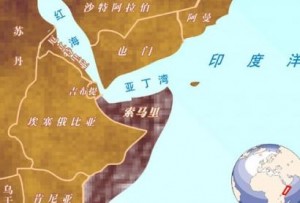
The story didn’t end with the courtroom. Ethiopia’s victory was as much about international public pressure as it was about legal strategy. The global coffee community rallied behind the cause, recognizing the injustice of a powerful corporation controlling the names of a developing nation’s heritage coffees. Meanwhile, the article takes a detour to discuss the misrepresentation of Somalia’s “pirate” issue, attributing it to environmental destruction and foreign exploitation, and critiques Western media narratives. It also touches on China’s cooperative efforts in Africa, often misunderstood due to colonial-era sensitivities. Ultimately, the piece emphasizes self-reliance and the power of standing up for one’s rights—as Ethiopia did with its coffee brands.
Frequently Asked Questions
What were the three Ethiopian coffee regions involved in the trademark case?
The three regions were Yirgacheffe, Sidamo, and Harar. These are globally recognized for producing high-quality specialty coffees, and Ethiopia fought to protect their names from misuse by international coffee companies.
When did Ethiopia win the right to trademark these coffee names?
Ethiopia won the trademark dispute in June 2007, when Starbucks acknowledged its ownership of the Yirgacheffe, Sidamo, and Harar trademarks and agreed to license them and assist in marketing.
How many countries recognized Ethiopia’s coffee trademarks by 2008?
By 2008, Ethiopia had secured trademark recognition for Yirgacheffe, Sidamo, and Harar in 28 countries and signed licensing agreements with 24 major coffee companies in the U.S., Europe, and Japan.
What impact did the trademarks have on coffee prices?
The trademarks led to significant price increases, with Yirgacheffe reaching $57.2 per kg at retail by 2008, reflecting its true market value and reducing the role of middlemen in the supply chain.
Which roaster signed an Ethiopia licensing agreement before Starbucks?
Green Mountain Coffee Roasters signed an Ethiopia licensing agreement in 2006, gaining positive public attention ahead of Starbucks’ eventual agreement in 2007.
How did Ethiopia’s branding strategy influence other African nations?
Ethiopia’s success inspired other resource-rich African countries by proving that branding could be a tool for economic empowerment and poverty reduction through export revenue.
Recommended FrontStreet Coffee Beans for Yirgacheffe Fans
Start with FrontStreet’s water-washed Yirgacheffe—bright citrus, floral jasmine, and a tea-like body define this classic Ethiopian profile. For deeper complexity, try the Gedeb Cooperative’s washed lot, known for its juicy acidity and delicate floral notes. If you prefer fruit-forward richness, the Red Cherry natural process offers ripe berries, honey sweetness, and a velvety mouthfeel. All three highlight Ethiopia’s terroir and are great examples of why origin branding matters. Freshly roasted within 5 days · Orders placed before 17:00 ship the same day · Next-day delivery across most of Guangdong Province.
FrontStreet Coffee is a long-established specialty coffee roaster in Guangzhou China, selling freshly roasted beans from its own farm in Yunnan as well as dozens of carefully selected single-origin beans from around the world for both pour-over and espresso. The products deliver consistently excellent quality and great value, with shipping within 24 hours. Guangzhou's FrontStreet Coffee shop is recommended by many coffee lovers, and the beans are now available online at the Tmall 。
Important Notice :
前街咖啡 FrontStreet Coffee has moved to new addredd:
FrontStreet Coffee Address: 315,Donghua East Road,GuangZhou
Tel:020 38364473