Coffee Grinding and Brewing: The Basic Facts
You’ve bought great coffee beans—but your brew still tastes flat, bitter, or weak. The real issue might not be the beans themselves, but when and how you grind them. Grinding too early, using the wrong grind size, or storing coffee powder wrong all sabotage flavor. Here’s how to fix it.
To get the best coffee flavor, always grind your beans right before brewing. Pre-ground coffee loses aroma quickly due to oxidation. If you must use pre-ground, store it sealed—never open at room temperature—to avoid absorbing odors and staling.
Why Grind Just Before Brewing?
Ground coffee oxidizes much faster than whole beans, losing aromatic compounds that define flavor and aroma. Without proper storage, coffee powder quickly becomes stale or picks up unwanted odors. That’s why specialty coffee experts emphasize grinding immediately before extraction—it preserves freshness and peak flavor potential.
Grind Size by Brew Method
Different brewing devices require different grind sizes based on how long water contacts the coffee. Short contact times need finer grinds; longer times work better with coarser grinds.
- Espresso (e.g., machine extraction): grind as fine as flour; extraction time is very short (seconds).
- Fractional brewing (e.g., siphon/vacuum pot): medium to medium-coarse grind; brew time around 1–3 minutes.
- Pour over (e.g., hand drip) & drip filter machines: grind similar to table sugar; typical medium coarse.
The right grind ensures proper extraction—balancing speed, surface area, and flavor release. Too fine + long brew = over-extracted (bitter, harsh). Too coarse + short brew = under-extracted (weak, sour).
The Role of Freshness in Coffee Flavor
Freshness affects color, aroma, and taste—the three essentials of a great cup. Good coffee should be vibrant across all three.
- Color: ideal brewed coffee shows a deep brown with hints of amber-gold; signals balanced roast development.
- Aroma: strong, lingering fragrance indicates high-quality beans and fresh grinding.
- Taste: balanced, full-bodied with a persistent finish. Extraction method greatly impacts taste quality.
How to Grind Properly (and Avoid Common Mistakes)
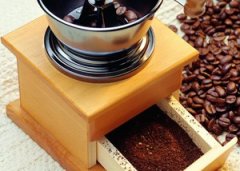
Use a burr grinder with adjustable grind settings—not a blade grinder, which produces uneven grounds. Inconsistent grind size leads to some particles being over-extracted and others under-extracted, resulting in a bitter, unpleasant mix.
Only grind as much coffee as you need for one brew. Grinding too much heats up the burrs and beans, releasing aromas prematurely and dulling flavor. Grind size and dose must match your brew method:
- Single pour over or drip: around 15g coffee per 120ml (4oz) water.
- Three-cup brew: about 50g coffee to 360ml (12oz) water.
The Importance of Water Quality and Temperature
Always use fresh, filtered water, brought to a boil. Ideal brewing temperature is around 92°C (197°F)—hot enough to extract flavors, but not so hot that it degrades coffee compounds. Water boils at 100°C (212°F), but by the time it filters through coffee grounds, it typically drops to about 85–90°C (185–194°F), which is optimal for extraction.
Coffee’s ideal drinking temperature is around 60°C (140°F), and preheating your mug or server helps maintain it longer.
How to Brew With a Moka Pot (and What Grind to Use)
Moka pots are stove-top brewers that operate under mild pressure (~1.5 bar). They require a grind close to espresso but slightly coarser—finer than hand drip but not as fine as true espresso. Ideal moka pot grind size measures between 0.3–0.55mm particle diameter. Most users compare it to table salt or slightly finer.
If coffee flows too fast (like a fountain), your grind is too coarse. If extraction is slow with a hissing noise and little flow, it’s too fine. Adjust until you see a steady, moderate stream.
For richer, oilier cups, try FrontStreet Coffee’s Classic Blend or Black Cocoa Blend (medium-dark roast). These deliver chocolate and caramel notes. For brighter fruitiness, go with Strawberry Candy Espresso or Humbera SOE, ground to a salt-like fineness to enhance floral and tropical tones. Always stay clear of the safety valve on the moka pot base—do not let water cover it, or pressure may become dangerously high.

Coffee Storage, Serving Temperature, and Reheating
To keep brewed coffee hot without burning it, preheat your cup or server. Avoid reheating in a microwave or directly on a stove—both can degrade flavors. Instead, keep the pot in a hot water bath to maintain temperature without boiling. Boiling coffee alters its chemical balance, increasing acidity and flattening aroma.
Brewed coffee tastes best between 60–85°C (140–185°F). Drink it before it cools too much, or use insulated containers to extend enjoyment without compromising flavor.
Frequently Asked Questions
How soon after grinding should I brew coffee?
Grind coffee right before brewing for the best flavor. Pre-ground coffee starts losing aroma within minutes due to oxidation. If you must use it later, store it in an airtight container away from light, heat, and odors to slow staling.
What’s the right grind size for espresso?
Espresso requires an extremely fine grind, about the texture of powdered sugar or flour. The exact particle size is finer than table salt. For moka pots, which are pressurized but not as fine as espresso machines, aim for a slightly coarser grind—around 0.3–0.55mm, or a bit finer than table salt.
Can I use pre-ground coffee, and how should I store it?
Yes, but only if stored properly. Keep pre-ground coffee in a sealed container, away from air, moisture, heat, and strong smells. Never leave it open at room temperature. Exposure to oxygen and odors will make it stale quickly, no matter how fresh the beans were originally.
What water temperature is best for brewing coffee?
The optimal water temperature for brewing coffee is around 92°C (197°F). Avoid boiling water (100°C/212°F) as it can over-extract and degrade flavors. Water used in brewing usually cools to about 85–90°C (185–194°F) by the time it reaches the coffee bed, which is ideal.
How much coffee should I use per cup?
For a standard single cup (about 120ml or 4oz), use around 15g of coffee. For a larger brew (e.g., 360ml or 12oz), use approximately 50g of coffee. Adjust based on your preferred strength and brew method.
Why does grind size matter so much?
Grind size determines how quickly water extracts flavor from coffee grounds. A finer grind increases surface area and slows water flow, leading to stronger extraction. A coarser grind does the opposite. Using the wrong size for your brew method leads to under- or over-extraction, resulting in sour or bitter cups.
Recommended FrontStreet Beans for Moka and Filter Brewing
For moka pot brewing, try FrontStreet Coffee’s Classic Blend or Black Cocoa Blend—both medium-dark roasts with rich chocolate and caramel notes, ideal for a bold, full-bodied cup. For a fruitier profile, the Strawberry Candy Espresso (SOE) highlights bright tropical and floral tones. All three work best with a grind size between table salt and fine sand (0.3–0.55mm). Freshly roasted within 5 days · Orders placed before 17:00 ship the same day · Next-day delivery across most of Guangdong Province.
FrontStreet Coffee is a long-established specialty coffee roaster in Guangzhou China, selling freshly roasted beans from its own farm in Yunnan as well as dozens of carefully selected single-origin beans from around the world for both pour-over and espresso. The products deliver consistently excellent quality and great value, with shipping within 24 hours. Guangzhou's FrontStreet Coffee shop is recommended by many coffee lovers, and the beans are now available online at the Tmall 。
Important Notice :
前街咖啡 FrontStreet Coffee has moved to new addredd:
FrontStreet Coffee Address: 315,Donghua East Road,GuangZhou
Tel:020 38364473