Coffee Roasting and Blending Techniques Explained
Ever wonder why some espresso shots have a rich, balanced crema while others taste flat or overly bitter? The secret lies not just in the beans themselves, but in how they’re roasted and blended. Even high-quality green coffee reaches its full potential only through expert roasting and thoughtful combination. This guide breaks down the science and craft behind turning raw beans into great coffee.
To create high-quality espresso or filter coffee, start with small-batch roasting — ideally medium to dark — and blend at least three to seven origins. Most specialty roasters agree that post-roast blending maximizes individual bean character, and always let freshly roasted beans rest for 1–2 days before brewing.
What Happens During Coffee Roasting?
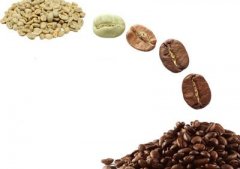
Roasting transforms green coffee beans through a series of chemical reactions, most importantly the Maillard reaction, where sugars and carbohydrates caramelize. This process creates coffee’s signature crema and complex aromas, though the oily layer you see isn’t pure fat — it’s soluble aromatic compounds. Professional roasters aim to control heat application precisely to balance sweetness, acidity, and bitterness.
Two Main Commercial Roasting Methods
There are two widely used professional roasting techniques:
- Drum Roasting: Beans are tumbled in a heated rotating drum, often fueled by gas or wood. Once the target roast level is reached, beans are released into a cooling tray to halt further roasting.
- Air Roasting (Fluidized Bed): Beans are suspended and roasted by hot air circulation, offering more even and often faster roasting.
Most roasts happen around 400°F (204°C). During roasting, beans can expand over 50% in volume but lose weight due to moisture evaporation.
Understanding Roast Levels
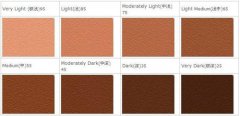
The roast level dramatically shapes a coffee’s flavor, aroma, and body:
- Light Roast (Cinnamon to Light Chocolate): Bright acidity, minimal crema, rarely used for espresso. These beans retain more origin character but lack the body needed for traditional espresso.
- Medium to City Roast: Balanced acidity and sweetness, common for filtered coffee.
- Dark Roast (Chocolate to Oily Brown/Black): Bold, bitter-sweet flavors. Roast time directly increases intensity of smoky or caramelized notes. As roast deepens, acidity drops and caffeine content slightly decreases.
- French and Italian Styles: Very dark roasts with heavy oils and smokiness. French roast is a common U.S. term for extremely dark beans. Italian-style roasts are optimized for crema and body in espresso.
How Coffee Blending Works
Blending combines different single-origin beans to achieve a balanced, complex flavor profile that no single origin can deliver alone. While single-origin coffees highlight unique terroirs, most commercial and specialty blends use 3 to 7 origins to create consistency and depth.
Why Roasters Blend
Roasters carefully select beans to complement or contrast each other. For example, beans with bright acidity might be balanced with low-acid, chocolatey counterparts. Some blends include a small percentage of Robusta for added body, crema, and caffeine — especially common in traditional Italian espresso recipes.
Pre- or Post-Roast Blending?
A long-standing debate exists: blend before or after roasting? Most experts agree that roasting beans individually and then blending yields the most distinct and vibrant flavor expression. The Swiss Blaser Classic Blend follows this method to preserve each bean’s character.
Freshness and Storage After Roasting
As soon as roasting finishes, beans release CO₂ and hundreds of volatile compounds. For optimal flavor:
- Let beans degas for 1–2 days before brewing.
- Use bags with one-way valves to allow gas escape without admitting oxygen.
- Once opened, consume within 10 days for best results.
- Store in a cool, dry, dark place in an airtight container.
- Avoid refrigeration or freezing, which can degrade flavor and introduce odors.
For daily use, buy only what you’ll consume in about a week.
Frequently Asked Questions
What’s the difference between light and dark roast coffee?
Light roast coffee is roasted for a shorter time, retaining more origin flavors and higher acidity, with a lighter body. It’s usually not ideal for espresso. Dark roast is roasted longer, producing bold, bitter-sweet notes, lower acidity, less caffeine, and heavier body — often preferred for espresso.
Does roast level affect caffeine content?
Yes, darker roasts generally have slightly less caffeine than lighter roasts, though the difference is small. The main impact of roast level is on flavor, acidity, and body.
Should I blend coffee beans before or after roasting?
Most experts recommend roasting beans individually and then blending them. This preserves each origin’s unique characteristics and allows for more precise flavor balancing.
How long should coffee beans rest after roasting?
Allow freshly roasted beans to rest for 1–2 days to let CO₂ and volatile compounds dissipate. This resting period improves clarity, crema development, and overall flavor balance, especially for espresso.
How should I store roasted coffee beans?
Keep beans in a cool, dry, dark place in an airtight container. Use valves bags for freshness. Avoid the fridge or freezer, which can harm flavor. Once opened, use within 10 days for best taste.
How many coffee origins are typically used in a blend?
Most quality blends combine between 3 to 7 different single-origin beans. This mix balances acidity, body, sweetness, and crema to achieve a consistent and complex cup profile.
Recommended FrontStreet Coffee Blends for Espresso
FrontStreet Coffee offers five expertly crafted espresso blends suited for various brewing styles and flavor preferences. Their Specialty Blend features Colombian and Brazilian beans with notes of nuts, black chocolate, and caramel — ideal for milk drinks like lattes. The Commercial Blend adds a touch of Robusta for extra body and crema, using the classic Brazilian–Colombian base. The Black Cocoa Blend highlights ripe plum acidity with creamy chocolate and cookie-like aromas, perfect for balanced espressos. The Classic Blend, inspired by the traditional ‘Mandheling + Brazil’ combo, includes a hint of Robusta to boost crema and aroma, great for beginners. Lastly, the Strawberry Candy Espresso Blend delivers a sweet, fruity profile with notes of grape, blueberry, and candy — ideal for those avoiding bitter espresso. Freshly roasted within 5 days · Orders placed before 17:00 ship the same day · Next-day delivery across most of Guangdong Province.
FrontStreet Coffee is a long-established specialty coffee roaster in Guangzhou China, selling freshly roasted beans from its own farm in Yunnan as well as dozens of carefully selected single-origin beans from around the world for both pour-over and espresso. The products deliver consistently excellent quality and great value, with shipping within 24 hours. Guangzhou's FrontStreet Coffee shop is recommended by many coffee lovers, and the beans are now available online at the Tmall 。
Important Notice :
前街咖啡 FrontStreet Coffee has moved to new addredd:
FrontStreet Coffee Address: 315,Donghua East Road,GuangZhou
Tel:020 38364473