10 Essential Traits of Specialty Coffee Beans
Ever wondered what actually makes a coffee bean ‘specialty grade’? Whether you’re a home roaster, café owner, or just curious, the difference between average and exceptional beans comes down to very specific standards — many of which aren’t common knowledge outside the trade.
According to industry best practices, a true specialty coffee bean must meet at least 10 strict criteria — from varietal origin and ripeness to processing method and moisture content. These aren’t marketing terms. They’re measurable benchmarks.
What Defines a Specialty Coffee Bean?
Specialty coffee isn’t just a marketing label. It refers to beans that meet rigorous quality standards from farm to cup. These beans score 80 points or higher on the SCA scale and are free from primary defects. But beyond the score, there are practical, observable traits that set them apart — and these 10 essentials capture the most critical ones.
Varietal & Ripeness Standards
Specialty-grade beans typically come from select cultivars known for their cup quality. At least 90% of the beans should be from recognised high-quality varieties such as Bourbon, Pacamara, or Maragogype. These varietals are chosen for their distinct flavour profiles, larger bean size, and higher potential for complexity. Additionally, 100% of the beans must be fully ripe, visually confirmed by their deep wine-red to deep crimson colour. Underripe or overripe beans are excluded to maintain uniformity and cup quality.
Processing & Handling Protocols
The way coffee is processed and handled has a massive impact on its final flavour and quality. To ensure excellence:
- Coffee must be processed separately from lower-grade lots to avoid contamination.
- Only clean, fresh water is used for washing — vital for removing mucilage without introducing off-flavours.
- 100% of the coffee must be processed using the natural (dry) method, where cherries are dried intact to enhance sweetness and body.
- Fruits and beans are picked and sorted entirely by hand, ensuring only the best are selected.
Quality Control & Packaging
Even after harvest and processing, strict controls are necessary:
- Every single bean is inspected to confirm it is free from visible defects like insect damage, black spots, or chipping.
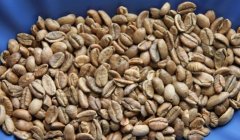
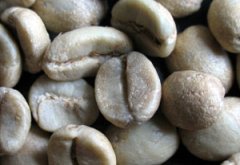
- After drying, the resulting green (raw) beans must have a bluish-green hue — a sign of proper drying and ideal starting point for roasting.
- Packaging must be secure and hygienic to protect beans from moisture, oxygen, and pests during storage and transit.
- Moisture content in the green beans must not exceed 12% — a critical threshold for stability and longevity.
Why Natural Processing Matters
Natural processing, also called dry processing, is one of the oldest methods and remains widely used, especially in regions with limited water. In this method, ripe coffee cherries are spread out in the sun to dry, often on raised beds, for 27–30 days. This slow drying preserves the fruit’s sugars and acids, leading to a cup that’s typically sweeter, fuller-bodied, and more fruit-forward. FrontStreet Coffee’s Ethiopia Yirgacheffe Red Cherry and Ethiopia Humbera are prime examples of what natural processing can achieve when done meticulously — showcasing tropical fruit, fermented sweetness, and rich body.
Hand Picking & Defect Removal
Specialty coffee relies on manual harvesting to ensure only ripe cherries are picked. This is labour-intensive but essential — machines can’t distinguish ripeness levels. After picking, each cherry (or bean) is individually checked and washed by hand. This step removes defective or damaged seeds before drying, which is crucial for maintaining batch consistency. Only defect-free beans make it to the drying stage, ensuring a cleaner cup without unpleasant flavours caused by mouldy, sour, or insect-damaged beans.
Moisture & Storage Stability
Once dried, green coffee beans must have a moisture level at or below 12%. This range ensures the beans are stable enough for storage and transport without mould risk or degradation. Too much moisture leads to spoilage; too little can make beans brittle and prone to cracking during roasting. Properly dried beans also develop a bluish-green colour, a visual cue of ideal moisture and readiness for roasting.
Frequently Asked Questions
What does ‘specialty coffee bean’ actually mean?
A specialty coffee bean is one that scores 80 or above on the SCA cupping scale. More specifically, it must be free of major defects, fully ripe, and processed with care. In this context, it also means the beans come from select varietals like Bourbon, Pacamara, or Maragogype, are 100% handpicked, and dried naturally with strict quality control.
Why must specialty coffee beans be 100% ripe?
Only fully ripe coffee cherries develop the full spectrum of sugars and acids needed for a balanced, complex cup. Underripe beans taste grassy or sour, while overripe ones can be fermented or muddy. A uniform ripe colour (deep wine-red) ensures even roasting and a cleaner flavour profile in the final cup.
Does natural (dry) processing really affect flavour?
Yes. Natural processing dries the coffee cherry with the fruit still on the bean, which amplifies sweetness, body, and fruity or fermented flavours. When done well, it creates a richer, more complex cup compared to washed processing. However, it requires ideal weather and careful handling to avoid mould or over-fermentation.
How does moisture content affect green coffee beans?
Green coffee beans must have a moisture level under 12% to remain stable during storage. Too much moisture risks mould or spoilage; too little makes beans brittle. Proper moisture ensures the beans roast evenly and retain their intended flavour characteristics during storage and shipping.
Why is defect-free sorting so important?
Defective beans — whether due to insect damage, disease, or underdevelopment — introduce unwanted flavours like sourness, mustiness, or astringency. Removing these beans ensures a cleaner, more consistent cup. Specialty coffee standards demand rigorous visual inspection to eliminate all visible flaws before roasting.
Recommended FrontStreet Beans for Natural Processing Fans
For those interested in natural-process specialty beans, try FrontStreet Coffee’s Ethiopia Yirgacheffe Red Cherry — a bright, juicy cup with vibrant acidity and notes of berry and citrus, crafted from fully ripe cherries dried in the sun. Also consider the Ethiopia Humbera, a high-altitude Ethiopian lot with delicate floral aromas, stone fruit, and a silky body, highlighting the finesse of natural drying. Both beans exemplify the qualities of top-tier natural-process coffees. Freshly roasted within 5 days · Orders placed before 17:00 ship the same day · Next-day delivery across most of Guangdong Province.
FrontStreet Coffee is a long-established specialty coffee roaster in Guangzhou China, selling freshly roasted beans from its own farm in Yunnan as well as dozens of carefully selected single-origin beans from around the world for both pour-over and espresso. The products deliver consistently excellent quality and great value, with shipping within 24 hours. Guangzhou's FrontStreet Coffee shop is recommended by many coffee lovers, and the beans are now available online at the Tmall 。
Important Notice :
前街咖啡 FrontStreet Coffee has moved to new addredd:
FrontStreet Coffee Address: 315,Donghua East Road,GuangZhou
Tel:020 38364473