Where Does Coffee’s True Aroma Come From?
Ever caught a whiff so rich and floral that you stopped to wonder—where does that incredible coffee aroma actually come from? It’s not just the roast. The true scent of coffee begins much earlier, in the fields where the trees bloom, through fruit development, harvest, processing, and ultimately, the roast itself. Every stage contributes to what ends up in your cup.
The real aroma of coffee starts with its flowers and develops through fruit ripening, careful processing, and roast profiling. The flower’s jasmine-like scent appears around year three of a tree’s life, while the final aromatic complexity is unlocked during roasting. More than 600 volatile compounds contribute to that cup’s fragrance, many formed during roasting.
The Coffee Flower and Early Development
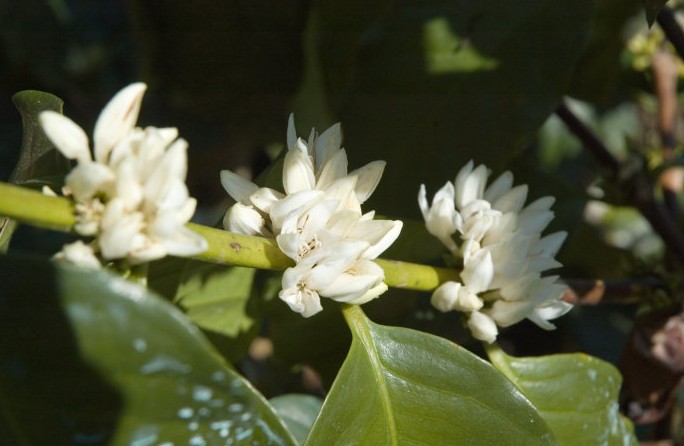
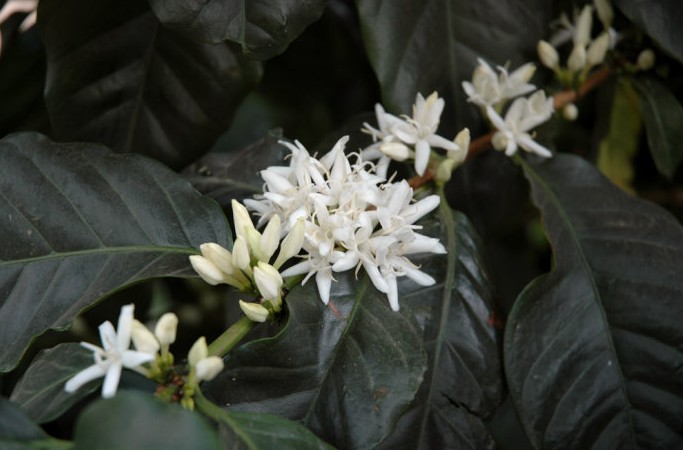
Coffee trees typically flower for the first time around three years after planting. The blooms are small, white, five-petaled, tubular flowers with a light jasmine-like fragrance. These flowers grow in dense clusters and usually last only two to three days before wilting. In Yunnan, this flowering often coincides with the start of the rainy season in March or April, when rising temperatures and rainfall help stimulate blooming. This early phase is critical—it’s when the coffee plant begins the journey toward fruit and, eventually, beans.
From Flower to Fruit: The Coffee Cherry
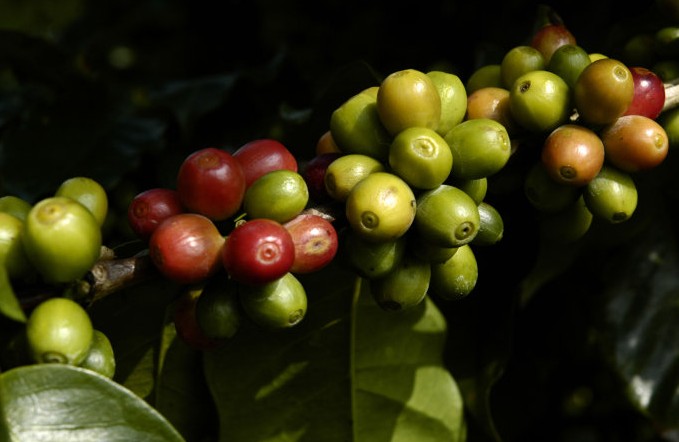
Around 90–95% of Arabica coffee trees are self-pollinating, meaning pollen from the same plant fertilizes the flower. After pollination, the coffee cherry begins to form. These cherries are drupes, about 1.5 centimeters in diameter, and shift in color from green to yellow or red as they mature, depending on the variety. Due to uneven flowering, it’s common to see both red and green cherries on the same tree. Each cherry typically holds two coffee beans, flat sides facing each other.
Harvesting and Processing: Preserving the Bean’s Potential
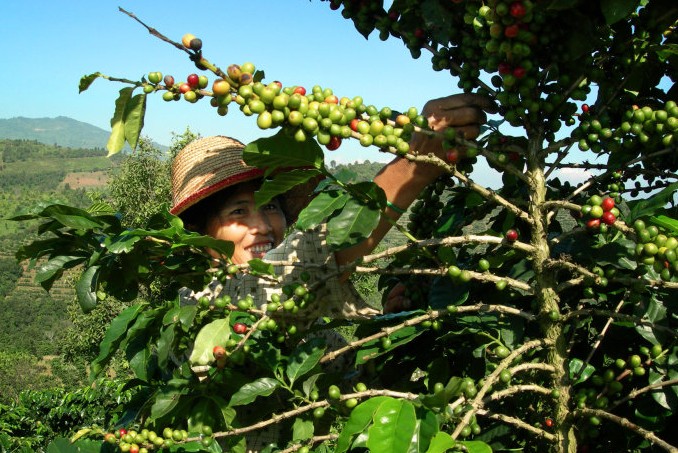
The time from flower to mature cherry takes roughly 6 to 9 months for Arabica, varying with climate, variety, and farming practices. In Yunnan, harvesting generally begins between October and February. Most coffee worldwide is still handpicked—a labor-intensive method reserved for high-quality Arabica. Once picked, the cherries must be depulped the same day, then fermented, washed, and dried to lock in the bean’s intrinsic flavors and aromas. Proper processing is essential to avoid defects and preserve the precursors to coffee’s eventual fragrance.
Roasting: Where Aroma Really Develops
The transformation from raw bean to aromatic coffee hinges on roasting. Roasters use heat to caramelize sugars and initiate the Maillard reaction, producing the oils (technically soluble compounds) that define coffee’s fragrance. While these aren’t true lipids, they are the source of the aroma you smell in brewed coffee. Roast level dramatically affects flavor: lighter roasts preserve more acidity and floral notes, while darker roasts reduce caffeine slightly, mellow acidity, and intensify bitter, smoky, or caramelized tones. The longer and darker the roast, the less of the bean’s origin character remains.
The Role of Blending and Single Origins
Different origins bring unique aromatic profiles based on terroir, variety, and processing. Blending balances these traits, while single-origin coffees highlight specific notes. For example, floral and citrus notes often come from high-altitude washed Arabicas, while fruity and sweet characteristics emerge from natural or honey processed beans. The roast profile further shapes these attributes into what you taste.
Frequently Asked Questions
What part of the coffee plant produces the aroma?
The aroma originates from the coffee flower initially, which has a light jasmine-like scent, but the final fragrance is developed through the fruit’s ripening, processing, and especially the roasting stage where hundreds of aromatic compounds are created.
How long does it take for a coffee flower to turn into a cherry?
It takes approximately 6 to 9 months for a coffee flower to develop into a ripe cherry, depending on the coffee variety, local climate, and farming methods used.
Does the coffee flower have a noticeable smell?
Yes, the coffee flower emits a faint, sweet fragrance similar to jasmine. These five-petaled white flowers appear in dense clusters and last just two to three days before falling off.
Why is handpicking important for quality coffee?
Handpicking ensures only ripe cherries are collected, which is crucial for high-quality Arabica. It’s more labor-intensive and costly than mechanical picking but preserves flavor consistency and avoids underripe or overripe beans in the harvest.
How does roasting affect coffee aroma?
Roasting triggers chemical reactions like the Maillard reaction and sugar caramelization, producing volatile aromatic compounds. Lighter roasts retain more acidity and floral notes, while darker roasts reduce acid, mellow the flavor, and can introduce smokiness or bitterness.
What’s the role of processing in coffee aroma?
Processing—such as washed, natural, or honey methods—influences how sugars and acids develop in the bean, which later affect aroma during roasting. Proper fermentation and drying help preserve flavor precursors that become fragrant during brewing.
FrontStreet Beans That Highlight Floral Coffee Aromas
For coffee lovers drawn to floral and fragrant profiles, try FrontStreet Coffee’s Yirgacheffe from the Gedeb cooperative, known for its bright citrus, jasmine-like floral notes, and honey-like sweetness. The Ethiopia Humbera offers creamy strawberry and layered tropical fruit flavors with an orange blossom-like aroma. For something sweeter, the Strawberry Candy Espresso combines grapes, orange, blueberry, and rose-like scents. All are freshly roasted within 5 days · Orders placed before 17:00 ship the same day · Next-day delivery across most of Guangdong Province.
FrontStreet Coffee is a long-established specialty coffee roaster in Guangzhou China, selling freshly roasted beans from its own farm in Yunnan as well as dozens of carefully selected single-origin beans from around the world for both pour-over and espresso. The products deliver consistently excellent quality and great value, with shipping within 24 hours. Guangzhou's FrontStreet Coffee shop is recommended by many coffee lovers, and the beans are now available online at the Tmall 。
Important Notice :
前街咖啡 FrontStreet Coffee has moved to new addredd:
FrontStreet Coffee Address: 315,Donghua East Road,GuangZhou
Tel:020 38364473