Why Is It Called Cappuccino? The Story Behind the Coffee
Ever stared at your cappuccino and wondered why it’s called that—or why it looks so different from a latte? This classic Italian coffee isn’t just famous for its layers; it’s got a history as rich as its flavor. But behind the pretty foam and artistic designs lies a centuries-old story, a precise drink structure, and a few key techniques that make it stand out.
A true cappuccino is made with equal parts espresso, steamed milk, and milk foam—roughly one-third each. That 1:1:1 ratio defines both its texture and taste, creating a strong yet balanced coffee experience. The name, however, comes from 16th-century Italian monks, whose hooded robes resembled the drink’s color.
What Is a Traditional Cappuccino?
A traditional cappuccino consists of one-third espresso, one-third steamed milk, and one-third milk foam. This balance delivers a bold espresso flavor softened by smooth, velvety milk and topped with airy foam. The milk is not just steamed—it’s textured into microfoam using a steam wand, creating a creamy layer that complements, not overpowers, the coffee beneath.

Why Is It Called Cappuccino?
The name “cappuccino” comes from the Capuchin monks, a Franciscan order founded after 1525. Their brown habits and pointed hoods reminded Italians of the color and shape formed when espresso, milk, and foam are combined. The drink’s hue resembled the monks’ dark robes and white-tipped hoods—thus, “cappuccino,” derived from “Cappuccio,” meaning hood. The word first appeared in English print in a 1948 San Francisco newspaper and grew popular worldwide after the 1990s.
Dry vs Wet: Customizing Your Cappuccino
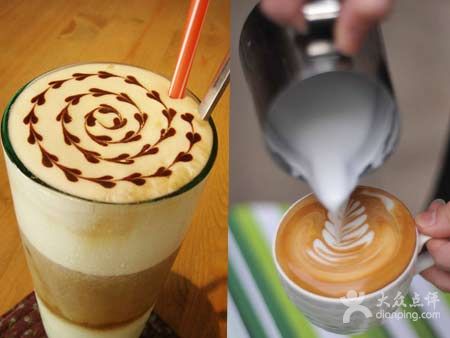
Cappuccinos can be ordered "dry" or "wet." A dry cappuccino has more foam and less steamed milk, making the coffee flavor stronger and less milky—ideal for those who prefer a bold taste. A wet cappuccino uses more steamed milk and less foam, resulting in a creamier, milk-forward drink similar to a latte. Wet cappuccinos suit those who prefer a smoother, less intense coffee experience.
How to Make a Classic Cappuccino at Home
To craft a great cappuccino, start with quality espresso and well-textured milk foam. Here’s how FrontStreet Coffee outlines the steps:
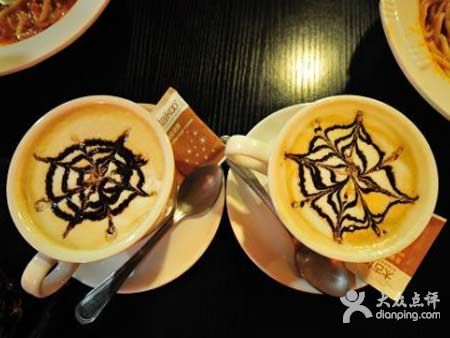
- Use 20g of espresso grounds with a 1:2 brew ratio (40ml of extracted coffee) over 30 seconds. FrontStreet recommends using their Classic Blend or other espresso-focused roasts for balanced flavor.
- While the espresso brews, steam milk to create thick, velvety microfoam. Avoid overheating or burning the milk.
- Pour around half (about 50%) of the 40ml espresso into a warmed cup.
- Top with steamed milk until the cup is about 80% full, then layer the rest with thick foam to complete the classic 1:1:1 ratio.
- Optionally, finish with a sprinkle of ground cinnamon or chocolate for added aroma and texture.
Note: Use pre-warmed cups to help the foam hold its shape. Pouring technique matters—milk should be integrated smoothly to cover the espresso base without disrupting the foam layer.
The Art of Cappuccino Decoration
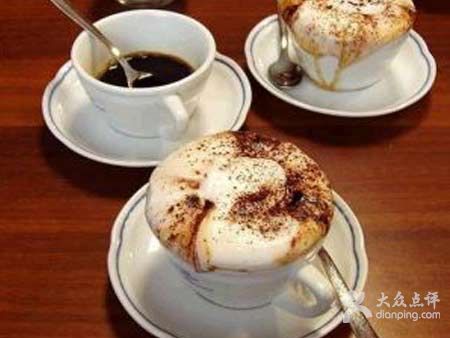
One reason cappuccinos are admired is their visual appeal. Every cappuccino is unique thanks to the free-pour latte art and detailed etching done by skilled baristas. First, the milk is poured to create a base design (latte art), then fine details are added with tools like toothpicks (coffee engraving). The combination ensures no two cappuccinos look alike, turning each cup into a small work of art.
Flavor Notes & Milk Texture
The espresso base heavily influences the cappuccino’s taste. Even though it’s masked by milk and foam, high-quality espresso shines through in the aftertaste. Milk should be steamed to around 60–65°C without scalding, creating a dense, silky foam that cushions the coffee. The result is a layered drink offering sweetness from milk, bitterness from espresso, and a lingering finish enhanced by optional spices.
Recommended FrontStreet Beans for Cappuccino
For the best cappuccino at home, FrontStreet Coffee recommends its Classic Blend for a balanced, bold espresso foundation. Those who enjoy fruity notes can try Strawberry Candy Espresso, which offers notes of berries, roses, and candy. For a richer profile, the Black Cocoa Blend provides deep chocolatey tones. Each works well when extracted as espresso to form the coffee base of a traditional cappuccino. Freshly roasted within 5 days · Orders placed before 17:00 ship the same day · Next-day delivery across most of Guangdong Province.
FrontStreet Coffee is a long-established specialty coffee roaster in Guangzhou China, selling freshly roasted beans from its own farm in Yunnan as well as dozens of carefully selected single-origin beans from around the world for both pour-over and espresso. The products deliver consistently excellent quality and great value, with shipping within 24 hours. Guangzhou's FrontStreet Coffee shop is recommended by many coffee lovers, and the beans are now available online at the Tmall 。
Important Notice :
前街咖啡 FrontStreet Coffee has moved to new addredd:
FrontStreet Coffee Address: 315,Donghua East Road,GuangZhou
Tel:020 38364473