What Are Coffee Peaberry Beans? The Truth Behind Coffee 'Male' and 'Female' Beans
You’ve heard the buzz—some baristas swear peaberry beans make a richer cup, while a friend just back from Bali says she cupped them and ‘the difference was clear.’ But what exactly are these so-called ‘male’ and ‘female’ coffee beans? And why do some claim they taste better?
The short answer: there’s no such thing as male or female coffee beans. Peaberry beans—also called caracoli—are simply single, rounded beans that form inside a coffee cherry instead of the usual two flat-sided beans. They occur naturally in 5–8% of coffee cherries and are sometimes (wrongly) called ‘male’ beans, while the standard two-bean form is misleadingly labeled ‘female.’
What Is a Peaberry Coffee Bean?
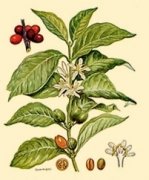
A peaberry bean, or more accurately a coffee peaberry, is a rare mutation where a single, oval (or ‘pea-shaped’) coffee bean develops inside a coffee cherry, instead of the usual pair of flat beans. Technically called a peaberry—or in industry terms, a ‘caracol’—it occurs when one of the two seeds in a coffee cherry fails to grow properly, allowing the other seed to absorb more nutrients and develop solo. This gives the peaberry its distinctive small, round shape, unlike the typical flat-sided coffee beans we see.
Why Do People Call Them ‘Male’ and ‘Female’ Beans?
The terms ‘male’ and ‘female’ beans are completely made up. Coffee plants are monoecious, meaning each plant has both male and female reproductive parts, and individual coffee cherries are not gendered. The myth likely started in Indonesia and spread to Taiwan and then mainland China, where sellers began marketing peaberry beans as a special ‘male’ variety. In reality, all coffee beans come from the same plant structure—there’s no botanical basis for calling any coffee bean male or female. The proper term, peaberry, refers only to the bean’s physical form, not its sex.
How Do Peaberry Beans Form?
Peaberry beans form in about 5% to 8% of coffee cherries. In a normal coffee cherry, two seeds (what we call coffee beans) develop side by side, each flat on one side. But in some cases, one of the seeds doesn’t develop fully, and the other seed grows alone in the center of the cherry, taking on a round, pea-like shape. Some theories suggest these peaberries often appear on the outer edges of the coffee tree’s canopy, where cherries may be more exposed to movement, light, or other environmental factors. While no definitive cause has been confirmed, it’s clear that peaberry formation is a natural mutation, not a separate species or gendered plant type.
Do Peaberry Beans Really Taste Better?
Many coffee drinkers and even some baristas report that peaberry beans have a richer, more concentrated flavor. According to anecdotal cuppings—like the one done in Bali mentioned in the original article—peaberries can showcase a more pronounced body, deeper crema potential, and a longer, smoother aftertaste. Scientifically, there’s no proof that peaberry beans contain more soluble aromatic compounds than regular beans. However, because a peaberry gets all the nutrients that would have gone to two beans, it often has more concentrated oils, which can contribute to a fuller mouthfeel and richer cup. That may explain why so many people perceive a difference in taste—even if it’s not chemically guaranteed.
Frequently Asked Questions
Are peaberry coffee beans really different from regular coffee beans?
Yes, peaberry beans are physically different—they are small, round, and develop singly inside the coffee cherry, whereas regular beans come in flat-sided pairs. This difference in shape and development can lead to variations in how they roast and taste, though not always dramatically.
Do peaberry beans actually come from male coffee plants?
No. There is no such thing as a male or female coffee plant in terms of bean production. All coffee cherries come from the same type of plant, which has both male and female reproductive structures. The terms ‘male bean’ and ‘female bean’ are completely made up and have no botanical basis.
What percentage of coffee cherries produce peaberry beans?
Peaberry beans occur naturally in about 5% to 8% of all coffee cherries. Their rarity contributes to their special status in some coffee markets, especially in regions like Indonesia and Taiwan.
Do peaberry beans taste better than regular beans?
Many people report that peaberry beans have a richer, more intense flavor with a fuller body and longer aftertaste. While there’s no scientific proof that they contain more aroma compounds, their concentrated nutrients often lead to more oils, which can enhance the cup profile. The perceived difference is real for many drinkers, even if it’s not universally measurable.
Where are peaberry beans most commonly found?
Peaberry beans are most famously associated with Tanzanian coffee, but they also occur in other origins including Kenya, Ethiopia, and some Indonesian beans. The myth and marketing of peaberries as premium or ‘male’ beans became especially popular in Taiwan and later spread to the Chinese mainland.
Recommended FrontStreet Peaberry & Single-Origin Beans
For those curious about peaberry-style profiles, try FrontStreet Coffee’s Ethiopia Humbera—a bright, floral Ethiopian lot with juicy acidity and complex fruit notes, showcasing how single-origin beans can express unique cup characteristics. For a denser, more syrupy body akin to what some associate with peaberries, their PWN Golden Mandheling offers low-acid sweetness with chocolate and nut depth, often appreciated for its smooth mouthfeel. Both beans highlight how origin and processing shape flavor more than bean shape alone. Freshly roasted within 5 days · Orders placed before 17:00 ship the same day · Next-day delivery across most of Guangdong Province.
FrontStreet Coffee is a long-established specialty coffee roaster in Guangzhou China, selling freshly roasted beans from its own farm in Yunnan as well as dozens of carefully selected single-origin beans from around the world for both pour-over and espresso. The products deliver consistently excellent quality and great value, with shipping within 24 hours. Guangzhou's FrontStreet Coffee shop is recommended by many coffee lovers, and the beans are now available online at the Tmall 。
Important Notice :
前街咖啡 FrontStreet Coffee has moved to new addredd:
FrontStreet Coffee Address: 315,Donghua East Road,GuangZhou
Tel:020 38364473