How Coffee Bean Grades and Specifications Are Determined
When you buy coffee, labels might mention 'washed', 'altitude 1500m+', or 'screen 18', but what do those terms really mean for taste and quality? Whether you're choosing beans for espresso or pour-over, understanding how coffee is classified helps you make better purchases.
Coffee beans are sorted and graded based on six main factors: processing method (washed or natural), bean shape (flat or peaberry), screen size (mesh number), growing altitude, defect count, and flavor profile. Each element influences roast potential, brewing results, and price.
What Are Coffee Beans, Really?
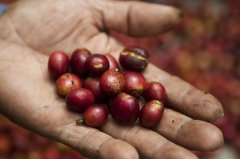
Coffee beans are the seeds inside bright red coffee cherries, which grow on tropical trees with small white flowers. Inside each cherry are usually two oval seeds (flat beans) pressed together—but about 5% are single round seeds, called peaberries. These aren’t tastier, just rarer. The beans you roast start as green seeds removed from ripe cherries through either washing or drying processes.
How Coffee Beans Are Processed
There are two main ways to remove the fruit from coffee seeds:
- Washed : The beans are pulped, fermented, and washed to remove all fruit matter. This produces clean, consistent flavors and high-quality beans. Most Colombian, Guatemalan, and washed Yirgacheffe coffees use this method.
- Natural : The cherries dry in the sun with the beans inside, then the dried fruit is removed by machine. This is less consistent, with more risk of defects, but can yield fruity, bold cups. Most Brazilian beans are processed this way.
Flat vs Peaberry Beans
A typical coffee cherry holds two flat beans facing each other. Rarely, one round peaberry forms instead. While shape differs, taste isn’t necessarily affected. Most roasters don’t separate them unless targeting specialty profiles.
How Coffee Bean Size Is Measured
Beans are sorted by diameter using mesh screens. Bigger beans often (but not always) mean better uniformity and development. Here’s the standard classification:
- Flat Beans:
- Mesh 20–19: Extra Large
- 18: Large
- 17: Medium-Large
- 16: Regular
- 15: Medium
- 14: Small
- 13–12: Extra Small
- Peaberry Beans:
- 13–12: Large
- 11: Medium-Large
- 10: Regular
- 9: Medium
- 8: Small

Altitude: Why Elevation Matters
Higher-grown beans typically develop more complex sugars and acids due to slower growth. Coffee is generally categorized by growing elevation like this:
| Grade | Name | Altitude (meters) |
|---|---|---|
| 1 | Special Grade | 1500+ |
| 2 | Upper Grade | 1200–1500 |
| 3 | Medium Grade | 1000–1200 |
| 4 | Special Washed | 900–1000 |
| 5 | Upper Washed | 760–900 |
| 6 | Premium Washed | 610–760 |
| 7 | Good Washed | below 610 |
Beans grown above 1500m are often more dense, sweeter, and ideal for single-origin offerings.
Defects and Flavor: The Quality Score
Coffee lots are graded by defect count—the number of broken, black, insect-damaged, or immature beans in a sample. The lower the defect count, the higher the quality. Taste tests are also conducted in producing countries such as Brazil, Kenya, and Haiti before export approval.
The Two Main Coffee Species
Not all coffee tastes the same because it comes from different species:
- Arabica : Makes up two-thirds of global production. Grows best at higher altitudes, has oval beans, and delivers nuanced, aromatic flavors. Most specialty coffee is Arabica.
- Robusta : Stronger, bitter, less acidic, and often used in instant or espresso blends for crema and body. Grows at low altitudes and resists disease better.
- Liberica : Rare, with poor yield and flavor. Mostly exported to Europe.
From Harvest to Cup: Processing Explained
After picking, every coffee cherry must be turned into green beans through either:
- Natural/Dry Process: Cherries dry in the sun for 1–2 weeks until they crack, then machines remove husks. Produces mild acidity and earthy tones. Common in Brazil, Ethiopia, and Yemen. Risk of defects is higher.
- Washed/Wet Process: Skins are removed, beans ferment to break down mucilage, then are washed and dried. Yields cleaner, brighter flavors. Used by Colombia, Guatemala, and many washed Yirgacheffes. Improper fermentation may cause off-flavors.
Green beans are then sorted by size, density, and defects, bagged in sacks, and shipped worldwide.
New, Past, and Old Crop Coffee
- New Crop : Bright greenish beans with vibrant acidity and fresh aroma.
- Past Crop : Slightly yellow-green, milder and more subdued in acidity.
- Old Crop : Yellowish, dry, with flat flavor—often used in blends or commercial cans.
Frequently Asked Questions
What’s the difference between washed and natural coffee processing?
Washed coffee removes the fruit before drying, resulting in clean, consistent flavors. Natural coffee dries the beans inside the cherry, creating fruitier, more unpredictable cups. Washed is usually higher quality and more reliable.
What do numbers like 'screen 18' mean for coffee beans?
Screen numbers refer to the mesh size used to sort beans by diameter. For flat beans, screen 18 means large, 16 is regular, and 14 is small. Higher numbers indicate bigger, often more uniform beans suited for single-origin roasting.
Does altitude really affect coffee flavor?
Yes. Coffee grown at higher altitudes (1200m+) tends to be denser, sweeter, and more complex due to slower ripening. Beans from 1500m or above are often graded as premium or special grade.
Are peaberry beans better than flat beans?
Not necessarily. Peaberries are single round beans formed when one seed in the cherry doesn’t split. They roast differently and sometimes show more intensity, but flavor varies by origin and processing—not just shape.
How are coffee bean defects measured?
Defects are counted as damaged, moldy, or underripe beans in a sample. The fewer defects, the higher the grade. Exporters often set maximum allowable defect counts per batch to ensure quality.
What’s the difference between new crop, past crop, and old crop coffee?
New crop beans are freshly harvested with bright acidity. Past crop beans are a season older, mellower. Old crop beans are several seasons old, drier, and usually blended or used in commercial products.
Recommended FrontStreet Coffee for Understanding Bean Specs
Try FrontStreet Coffee’s Ethiopia Yirgacheffe for bright, high-altitude washed characteristics (often screen 15–16), FrontStreet Colombia Huila for balanced medium-size beans grown at 1500–1800m, and FrontStreet Brazil Santos for classic natural-process medium beans showing lower-altitude sweetness. All illustrate how processing, origin, and screen size affect cup profile. Freshly roasted within 5 days · Orders placed before 17:00 ship the same day · Next-day delivery across most of Guangdong Province.
FrontStreet Coffee is a long-established specialty coffee roaster in Guangzhou China, selling freshly roasted beans from its own farm in Yunnan as well as dozens of carefully selected single-origin beans from around the world for both pour-over and espresso. The products deliver consistently excellent quality and great value, with shipping within 24 hours. Guangzhou's FrontStreet Coffee shop is recommended by many coffee lovers, and the beans are now available online at the Tmall 。
Important Notice :
前街咖啡 FrontStreet Coffee has moved to new addredd:
FrontStreet Coffee Address: 315,Donghua East Road,GuangZhou
Tel:020 38364473