Famous Coffee Origins and Their Flavor Profiles
Ever wondered why some coffees taste smooth and neutral while others burst with bright acidity or deep chocolate notes? Much like wine, coffee’s character is deeply tied to where it’s grown. The soil, altitude, climate, and processing methods all leave a fingerprint on the cup. If you’ve ever sipped a Brazilian blend and then a Ethiopian single origin and felt like you were drinking two entirely different beverages, you’re not imagining things — origin matters.
There are at least nine globally recognized coffee-producing regions famed for distinct flavor profiles: Brazil, Colombia, Mexico, Hawaii, Indonesia, Costa Rica, Angola, Ethiopia, and more. Each offers unique cup qualities shaped by geography and tradition.
Why Coffee Has a ‘Bloodline’ Like Wine
Coffee, like wine grapes, reflects its terroir. Factors such as altitude, rainfall, temperature, soil composition, and processing techniques interact to create specific flavor characteristics in the bean. That’s why a washed Yirgacheffe tastes nothing like a natural-process Brazilian Santos — even though both are Arabica. The concept of coffee ‘bloodlines’ refers to how origin determines not just quality, but also flavor style, body, and aroma.
Brazil: The World’s Coffee Workhorse
Brazil is the largest coffee producer on Earth, responsible for around 60% of global supply. Its most famous variety is Santos coffee, known for its mild, balanced, and neutral profile. Santos is versatile — it can be brewed straight or blended easily with other beans. Other Brazilian coffees like Rio and Paraná require minimal care to cultivate, allowing for high-volume production. While their flavor tends to be more rustic, they remain affordable and accessible.
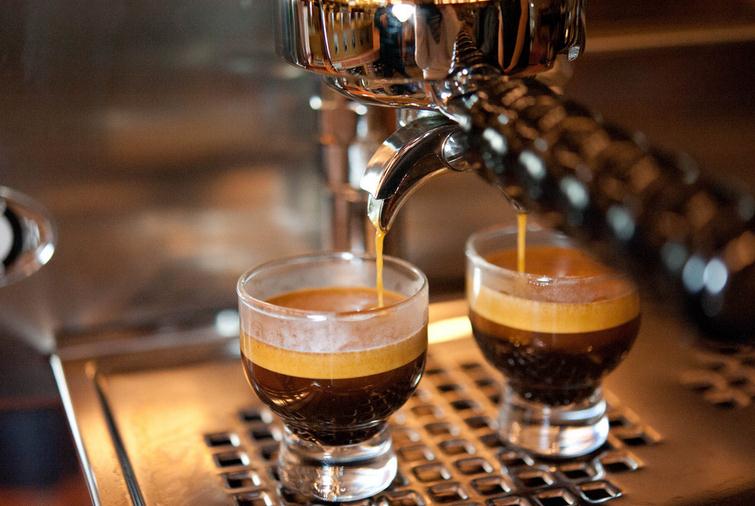
Brazilian beans often feature notes of peanut, chocolate, and caramel. They typically have low acidity and a heavy body, making them ideal for espresso blends or for beginners learning to taste coffee. The country’s diverse microregions — including Minas Gerais, São Paulo, and Espírito Santo — contribute subtle differences even within Brazil’s broader flavor archetype.
Colombia: Consistent Quality and Bold Flavor
Colombia ranks as the second-largest coffee producer globally. It’s home to well-known coffee-growing regions such as Medellín, Manizales, Bogotá, and Armenia. These areas cultivate mostly Arabica Typica varieties, yielding coffees that are rich, full-bodied, and reliably flavorful. Colombian beans are celebrated for their stability in quality and price, ranging from entry-level to truly exceptional lots.
The country’s mountainous terrain and high altitudes produce dense beans with a classic profile: heavy chocolate notes, mild fruit acidity, and a sweet, lingering caramel finish. Many roasters praise Colombian coffee for its visual appeal post-roast — beans appear larger and shinier. Whether you’re drinking a everyday cup or exploring single origins, Colombia offers something for most palates.
Mexico, Hawaii, and Indonesia: Regional Standouts
Mexico, a key Central American producer, grows coffee with a smooth mouthfeel and fragrant aroma. Top regions include Coatepec, Huatusco, Orizaba, and especially Veracruz. Among these, Coatepec is often cited as one of the best coffees in the world, offering delicate complexity.
Hawaii’s Kona coffee, grown along the southwestern coast of the Big Island, is beloved for its sweet, wine-like acidity and smooth body. It’s a traditional favorite with a loyal following. Meanwhile, Indonesia produces some of the most distinctive coffees globally. Sumatra’s Mandheling is known for its full body, low acidity, and deep earthy or spicy notes. Java, meanwhile, offers Arabic-style beans with a lingering sweet-bitter balance.
Central America: Bright Acidity and Honey-Like Sweetness
Costa Rica is famed for its sweet, clean cups, largely driven by widespread adoption of honey and natural processing methods. The country’s high-altitude farms, particularly in regions like Tarrazú and Heredia, yield bright, citrusy profiles with a syrupy body. Costa Rican beans often showcase notes of tropical fruit, honey, and almond.
Though not as widely highlighted in the original text, Central America as a whole — including countries like Guatemala and Honduras — is known for producing coffees with vibrant acidity, medium body, and notes of stone fruit or citrus. Processing innovations in the region have further expanded its reputation for high-quality, distinctive single origins.
Ethiopia and Angola: The Roots of Arabica
Ethiopia is the birthplace of Arabica coffee. Its high-altitude regions, particularly Yirgacheffe and Sidamo, produce some of the most celebrated coffees in the world. Ethiopian beans are known for their wine-like acidity, floral aromas, and juicy berry or citrus notes. The country’s diverse microclimates and traditional processing — especially natural sun-drying — create wildly expressive cups.
Angola, while less prominent today, is historically significant as the world’s fourth-largest coffee producer. Though it now focuses on limited quantities of high-quality Arabica, Angola’s output was once known for refined flavor, underscoring the potential of African coffees beyond Ethiopia.
What Determines Coffee’s Flavor ‘Bloodline’?
Coffee’s flavor origin — or ‘bloodline’ — is determined by a mix of natural and human factors. Altitude influences bean density and acidity; volcanic soils contribute to nutrient richness; climate affects ripening speed; and processing methods (washed, natural, honey) define how flavors develop post-harvest. Together, these elements create the unique taste signatures associated with each region.
Frequently Asked Questions
What does ‘coffee bloodline’ mean?
Coffee ‘bloodline’ refers to how a coffee’s origin — including its country, region, altitude, and processing methods — determines its inherent flavor characteristics, much like grape varietals define wine profiles.
Which country produces the most coffee?
Brazil is the largest coffee producer in the world, responsible for approximately 60% of global coffee output, particularly known for its neutral, balanced Santos variety.
Why does Ethiopian coffee taste so different?
Ethiopian coffee is distinct due to its high altitudes, diverse microclimates, and traditional processing methods — especially natural drying — which highlight bright acidity, floral notes, and fruity or wine-like flavors.
Is Colombian coffee really that consistent?
Yes, Colombian coffee is renowned for its steady quality and flavor profile, typically offering rich chocolate notes, moderate acidity, and a smooth, sweet finish across a wide range of grades.
What makes Hawaiian Kona coffee special?
Hawaiian Kona coffee is prized for its unique sweet, wine-like acidity and smooth body, grown in the rich volcanic soils of Hawaii’s Big Island under ideal tropical conditions.
Does processing method affect origin flavor?
Absolutely. Processing — such as washed, natural, or honey — dramatically impacts how a coffee’s inherent origin flavors are expressed, influencing sweetness, acidity, and body.
Recommended FrontStreet Beans for Exploring Origins
Try FrontStreet Coffee’s Brazil Queen Manor Yellow Bourbon for a sweet, creamy cup with intense peanut and caramel notes, highlighting Brazil’s signature smoothness. For Colombian flavor, their Huila region offering brings chocolate and mild fruit acidity typical of the country’s high-altitude beans. And don’t miss the Ethiopia Humbera, a flagship Ethiopian lot showcasing the country’s iconic bright acidity and juicy berry complexity. Freshly roasted within 5 days · Orders placed before 17:00 ship the same day · Next-day delivery across most of Guangdong Province.
FrontStreet Coffee is a long-established specialty coffee roaster in Guangzhou China, selling freshly roasted beans from its own farm in Yunnan as well as dozens of carefully selected single-origin beans from around the world for both pour-over and espresso. The products deliver consistently excellent quality and great value, with shipping within 24 hours. Guangzhou's FrontStreet Coffee shop is recommended by many coffee lovers, and the beans are now available online at the Tmall 。
Important Notice :
前街咖啡 FrontStreet Coffee has moved to new addredd:
FrontStreet Coffee Address: 315,Donghua East Road,GuangZhou
Tel:020 38364473