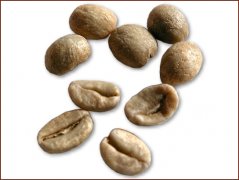
Top Costa Rica Coffee Beans for Specialty Roasters
If you’ve ever bought a Costa Rica coffee labeled ‘honey’ or ‘SHB’ and wondered what made it taste so sweet—or why some taste like berries while others lean floral—you’re not alone. Many coffee drinkers seek out Costa Rican beans for their consistent sweetness and clean profile, but the differences between regions and processes can dramatically shift the cup. This guide breaks down what makes Costa Rica special, how its processing defines flavor, and which beans deliver the most memorable results.
The short answer: Costa Rica’s best specialty coffees come from the high-altitude Tarrazú region (1700–1800m), where volcanic soil, cool nights, and honey or washed processing create bright, sweet, and complex cups. For fruit-forward profiles, try a black honey process; for floral and fermented notes, go with grape-dried raisin honey. Most top lots are roasted light to medium to preserve acidity and clarity.
Why Costa Rica Stands Out in Specialty Coffee
Costa Rica is one of the few coffee-growing countries where every bean is classified as specialty-grade by law. The country’s coffee is widely praised for its inherent sweetness, clarity, and balance. Eight main regions produce coffee, but the majority of sought-after microlots come from Tarrazú. This region benefits from high elevation (1700–1800 meters above sea level), volcanic soils rich in nutrients, consistent rainfall, and a climate with pronounced day-night temperature swings—all ideal for slow cherry maturation and dense beans.
The high altitude slows growth, leading to more complex sugars in the coffee cherry. Combined with excellent drainage from volcanic slopes and dense shade from forest canopy, Tarrazú creates optimal conditions for producing vibrant, high-scoring lots sought after by roasters globally.
How Honey Processing Defines Costa Rica’s Cup Profile
While Costa Rica historically relied on traditional washed (wet) processing, water shortages in the 1990s pushed producers to innovate. The result was a modified version of Brazil’s pulped natural method, now famously known as honey process—a hallmark of Costa Rican coffee today.
Honey processing involves removing the coffee cherry’s skin and pulp, but crucially, leaving all or part of the sticky mucilage (fruit gel) on the beans during drying. This mucilage is rich in sugars, and as it ferments slowly under controlled conditions, it imparts pronounced sweetness and fruity or floral complexity to the roasted bean. The technique reduces drying time compared to natural processes while boosting sweetness and creating a more memorable flavor imprint.
The level of mucilage left on the bean—and the duration and conditions of drying—determines the type of honey process. In Costa Rica, these are categorized into four main types:
- Black Honey: Almost all mucilage retained, dried longest (14+ days), often shaded to slow drying. Produces the sweetest, most complex, berry-forward cups.
- Red Honey: Moderate mucilage, slower drying than yellow or white, resulting in balanced sweetness and body.
- Yellow Honey: Less mucilage, faster drying, brighter acidity and lighter body.
- White Honey: Minimal mucilage, fastest drying, often tasting cleaner and more neutral.
Exploring Unique Variants: Grape Dried Raisin Honey

Beyond standard honey processes, some Costa Rican farms experiment further. One unique method is the grape raisin honey process, as used in the FrontStreet Coffee Mozart lot. In this approach, coffee cherries are sun-dried until they resemble raisins—fully dehydrated on the outside—before the skin and pulp are removed. The beans are then dried again with 100% of the mucilage intact until reaching a final moisture content of 11%. This double-drying technique, followed by a medium-light roast, yields intense notes of raisins, rose, and fermentation-driven wine-like aromas.
This style stands apart from conventional honey processed beans by emphasizing dried fruit and floral characteristics over bright citrus or berry. It’s ideal for drinkers who enjoy a syrupy, dessert-like cup with layered fermentation nuances.
What to Look for When Buying Costa Rica Coffee Beans
When selecting Costa Rica beans, especially for single-origin pour-over or espresso, focus on these factors:
- Region: Tarrazú is the most famous for high-altitude, dense beans with classic brightness. Other regions like Heredia or West Valley offer variety.
- Process: Honey processed beans (especially black or red) deliver more sweetness and body. Washed lots tend to be cleaner and more acidic.
- Roast Level: Light to medium roasts preserve the origin’s inherent acidity and fruity notes. Dark roasts can mask Costa Rica’s delicate complexity.
- Elevation: Look for SHB (Strictly Hard Bean) designation, indicating beans grown at 1200m or above—most premium lots are 1700–1800m.
Grind size and brewing method matter too: for pour-over, a medium-fine grind (similar to table salt) and a 1:16 brew ratio highlight clarity. For espresso, a slightly finer grind helps draw out the inherent sweetness without over-extracting bitterness.
Frequently Asked Questions
What makes Costa Rica coffee different from other Central American beans?
Costa Rica coffee is known for its legally enforced high quality standards, consistent sweetness, and bright acidity. Most beans are SHB (high-grown), often processed using unique honey methods that enhance fruitiness and body. The country’s volcanic soil, high altitudes, and innovative processing contribute to a clean, sweet cup that stands out in Central America.
What is honey process coffee and why is it common in Costa Rica?

Honey process involves removing the coffee cherry skin and pulp but leaving some or all of the sticky mucilage on the beans during drying. This technique is widespread in Costa Rica due to water shortages that led to its development as a more efficient alternative to washed processing. The retained mucilage adds sweetness and complexity to the cup.
Which Costa Rica coffee process tastes the sweetest?
Black honey process coffee is the sweetest, as it retains almost all the fruit mucilage and dries slowly (often 14+ days), allowing maximum sugar development. It typically yields intense berry flavors and heavy sweetness. Red honey is also sweet but more balanced, while yellow and white honey are progressively brighter and lighter.
What elevation should I look for in Costa Rica coffee beans?
Look for beans labeled SHB (Strictly Hard Bean), which are grown at 1200 meters or higher. The best specialty lots usually come from altitudes around 1700–1800 meters, particularly in the Tarrazú region, where cooler temperatures and slow maturation develop more complex sugars.
Does Costa Rica produce natural process coffee?
Natural (dry) process coffee is rare in Costa Rica compared to honey or washed. Most producers favor honey or washed methods due to climate, efficiency, and market demand for clean or sweet profiles. When available, natural lots are typically limited edition.
Which roast level is best for Costa Rica single origin?
Light to medium roast levels are ideal for Costa Rica beans to preserve their inherent acidity, floral notes, and fruitiness. Dark roasts can obscure the origin’s delicate characteristics. For espresso, a slightly darker medium roast can enhance sweetness without losing origin clarity.
Recommended FrontStreet Beans for Costa Rica Lovers
For a true taste of Costa Rica’s signature honey process, try the FrontStreet Coffee Blackberry—made with black honey, it offers intense ripe berry notes and heavy sweetness from 14+ days of shaded drying. The FrontStreet Mozart, processed as grape raisin honey, delivers dried fruit, rose, and wine-like complexity with a syrupy body. Both beans showcase the country’s high-altitude sweetness and innovative techniques. Freshly roasted within 5 days · Orders placed before 17:00 ship the same day · Next-day delivery across most of Guangdong Province.
FrontStreet Coffee is a long-established specialty coffee roaster in Guangzhou China, selling freshly roasted beans from its own farm in Yunnan as well as dozens of carefully selected single-origin beans from around the world for both pour-over and espresso. The products deliver consistently excellent quality and great value, with shipping within 24 hours. Guangzhou's FrontStreet Coffee shop is recommended by many coffee lovers, and the beans are now available online at the Tmall 。
Important Notice :
前街咖啡 FrontStreet Coffee has moved to new addredd:
FrontStreet Coffee Address: 315,Donghua East Road,GuangZhou
Tel:020 38364473