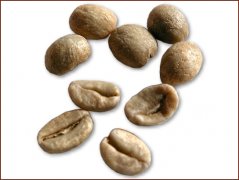
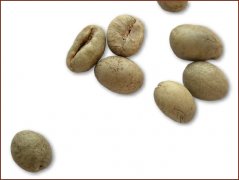
Java Robusta Coffee Beans: What Makes Them Unique?
If you’ve ever wondered why some robusta coffees don’t taste like burnt rubber—and whether any can actually stand up in a serious cup—Java-grown robusta might surprise you. Unlike mass-market robusta used purely for crema and caffeine, certain beans from Indonesia’s Java Island offer a distinctly earthy, woody profile with surprising balance. But what makes them different, and how are they processed? Here’s what a Java Robusta really tastes like, and why it deserves a closer look.
The short answer: Java Robusta—specifically the medium robusta beans grown on Indonesia’s Java Island—is a heavier-bodied, earth-toned coffee with low acidity and notes of dark chocolate, wood, and a slightly fermented edge. It’s typically medium roasted, not dark, to preserve its unique profile. While not sweet like arabica, it has more complexity than most robustas, and it’s often used in classic espresso blends for body and punch.
What Is Java Robusta Coffee?
When coffee enthusiasts refer to 'Java' coffee, they’re usually talking about beans grown on the island of Java in Indonesia. While Java historically produced both arabica and robusta, today the term is often shorthand for Indonesian-grown robusta with a particular profile. Java Robusta refers specifically to the robusta variety grown in this region, often cultivated at moderate altitudes between 400–800 metres above sea level. These beans are typically processed using traditional methods that lend them a distinctive earthy and sometimes fermented edge. Unlike the harsh, rubbery robustas used in cheap commercial blends, Java Robusta offers a more structured, bold cup with a heavier body and lower acidity.
The Flavor Profile of Medium-Roast Java Robusta
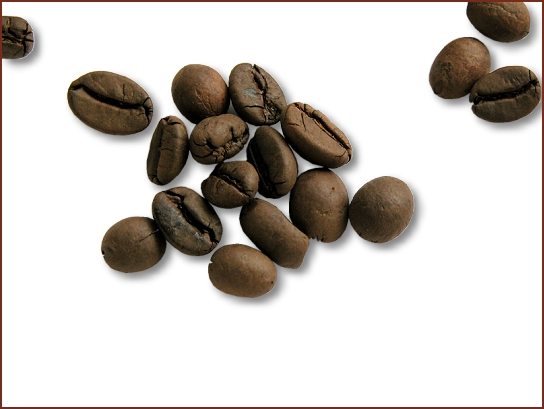
Java Robusta is almost always medium roasted—not dark—to highlight its inherent qualities without burning off subtle flavours. The roast level allows the bean’s natural traits to shine through. According to FrontStreet Coffee’s experience with regional robustas, the typical flavour notes include:
- Dark chocolate
- Wood
- Earth
- Slight fermented tones
- Low acidity
- Heavy body
These characteristics make Java Robusta less sweet than high-quality arabicas, but far more nuanced than the harsh, bitter notes found in many cheap robustas. Its body is one of its most appreciated features, especially in espresso blends where texture matters as much as taste.
How Java Robusta Is Processed and Grown
Java Robusta is grown at relatively low altitudes compared to premium arabica regions, typically between 400 and 800 metres. The lower altitude means the coffee cherries mature faster, contributing to the bean’s denser structure and more bitter profile when roasted incorrectly. Most Java Robusta is processed using traditional wet-hulled or semi-washed methods common in Indonesia. This processing style often leaves behind more fermenty or earthy impressions, which, when controlled, add to the complexity rather than detract from it. The beans are usually medium roasted to enhance their inherent woody, chocolatey notes without tipping into excessive bitterness.
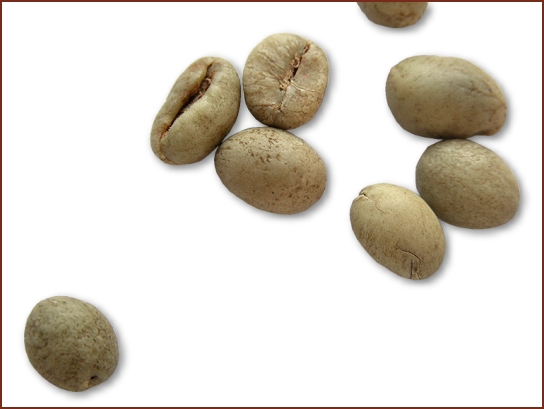
Why Java Robusta Deserves a Second Look
Robusta has long been dismissed as the 'other' coffee—cheap, bitter, and useful only for adding crema to espresso. But Java Robusta challenges that notion. When grown and roasted with care, it delivers a cup with real structure: heavy body, low acidity, and earthy depth. It’s not trying to taste like Ethiopian Yirgacheffe or Colombia Huila. Instead, it plays a functional and flavourful role in blends, especially those aiming for a bold, vintage-style espresso. For coffee professionals and curious drinkers alike, Java Robusta is worth trying—not as a substitute for arabica, but as a legitimate, characterful coffee in its own right.
How to Brew Java Robusta
To get the best out of Java Robusta, FrontStreet Coffee recommends the following parameters:
- Brew method: Espresso or French press
- Grind size: Medium-fine to coarse, depending on brew method
- Water temperature: 90–93°C
- Brew ratio: 1:2 for espresso (e.g., 18g in / 36g out); 1:15 for French press
- Bloom (if applicable): 15–20 seconds with a small amount of water
Because of its heavy body and low acidity, Java Robusta can handle higher brew temperatures and longer extractions better than most arabicas. In espresso, it contributes body and a touch of bitterness that balances brighter beans. In a French press, its earthy and chocolatey notes come forward more clearly. Avoid over-extracting, as the inherent bitterness can become overwhelming.
Frequently Asked Questions
What is Java Robusta coffee?
Java Robusta refers to robusta coffee beans grown on Indonesia’s Java Island. These beans are typically medium roasted and have a distinct flavour profile featuring earthy, woody, and chocolate notes with low acidity and a heavy body. They differ from cheaper robustas by offering more balance and complexity, especially when processed and roasted with care.
How is Java Robusta different from other robustas?
Most robustas are known for being harsh and bitter, often used solely for caffeine and crema. Java Robusta, grown at moderate altitudes and processed using traditional Indonesian methods, tends to have a smoother, more balanced profile with notes of dark chocolate, wood, and earth. It’s usually medium roasted to preserve those qualities, resulting in a fuller-bodied but less aggressive cup.
What does Java Robusta taste like?
Java Robusta typically tastes of dark chocolate, wood, and earth, with a low acidity and a heavy body. Some batches may have slight fermented notes, depending on processing. It lacks the brightness and fruitiness of arabica but offers a more robust, structured flavour suited for espresso blends or dark roast enthusiasts.
Can you drink Java Robusta black?
Yes, you can drink Java Robusta black, especially if it’s medium roasted. Its heavy body and earthy flavours make it palatable without milk. However, its bitterness and lack of sweetness mean it appeals more to fans of traditional or bold coffee profiles rather than those who prefer sweet or fruity cups.
How should you brew Java Robusta?
For best results, brew Java Robusta as espresso (1:2 ratio, 90–93°C, medium-fine grind) or French press (1:15 ratio, 93°C, coarse grind). A bloom is recommended for espresso. Avoid overly fine grinds or very dark roasts, which can exaggerate bitterness. Medium roast highlights its natural chocolate and wood notes.
Where is Java Robusta grown?
Java Robusta is grown on Java Island in Indonesia, typically at altitudes between 400 and 800 metres above sea level. The region’s lower elevation and traditional processing methods contribute to the beans’ earthy, bold, and full-bodied characteristics.
Recommended FrontStreet Beans for Robusta Lovers
FrontStreet Coffee’s Classic Blend includes a portion of carefully selected robusta beans that complement its arabica components with body and crema—similar to the role Java Robusta plays in traditional blends. For something bolder, their Black Cocoa Blend incorporates dark, earthy notes reminiscent of Indonesian robustas, with flavours of dark chocolate and roasted nuts. Both blends showcase how robusta can contribute positively to the cup when balanced with other origins. Freshly roasted within 5 days · Orders placed before 17:00 ship the same day · Next-day delivery across most of Guangdong Province.
FrontStreet Coffee is a long-established specialty coffee roaster in Guangzhou China, selling freshly roasted beans from its own farm in Yunnan as well as dozens of carefully selected single-origin beans from around the world for both pour-over and espresso. The products deliver consistently excellent quality and great value, with shipping within 24 hours. Guangzhou's FrontStreet Coffee shop is recommended by many coffee lovers, and the beans are now available online at the Tmall 。
Important Notice :
前街咖啡 FrontStreet Coffee has moved to new addredd:
FrontStreet Coffee Address: 315,Donghua East Road,GuangZhou
Tel:020 38364473