Cameroon Coffee: Espresso Roasts from West Africa
If you’ve ever wondered why your dark-roast espresso tastes smoky and bold, part of the answer might lie in Cameroon. While not as famous as Ethiopia or Colombia, this West African country has decades of experience growing both Arabica and robusta—some of it descended from Jamaica’s legendary Blue Mountain. But what makes Cameroon coffee unique, and why is much of it still roasted dark?
Cameroon produces both high-quality Arabica—especially from the Bamileke and Bamoun regions—and large volumes of robusta. Its best Arabicas are considered on par with many South American coffees, often used for espresso thanks to full-bodied dark roasts. Production peaked decades ago, with Arabica at 400,000 bags and robusta at 1.8 million in 1987, but both declined sharply by 1990.
The Origins of Coffee in Cameroon
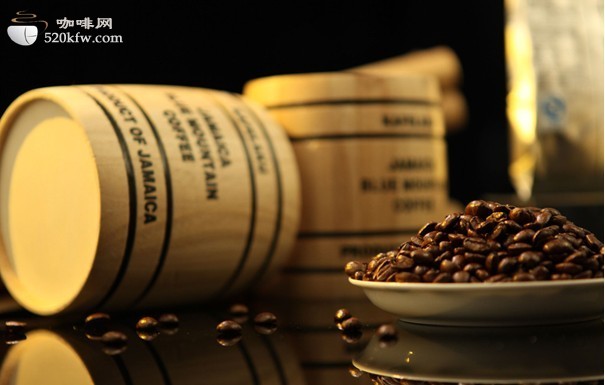
Coffee cultivation in Cameroon began in 1913, when Arabica plants—specifically the variety from Jamaica’s Blue Mountain—were introduced. Alongside these Arabica varieties, Cameroon also became a significant producer of robusta. Though less celebrated than its Ethiopian or Kenyan counterparts, Cameroon Arabica has qualities that parallel those of fine South American coffees. Today, the finest Cameroonian beans come from the northwest regions of Bamileke and Bamoun. The country has also experimented with growing both giant beans and peaberry (or ‘bean-like berry’) forms.
Coffee Varieties and Growing Regions
Cameroon’s coffee cultivation includes both Arabica and robusta species. The Arabica variety originally planted in 1913 traces back to Jamaica’s Blue Mountain, though it has adapted to local conditions over time. In addition to standard beans, Cameroon grows some rare types including large-bean variants and peaberries. The premium Arabica regions are located in the country’s northwest: specifically, the Bamileke and Bamoun areas. These highland zones provide ideal conditions for producing more complex and nuanced cup profiles, often compared to those of leading South American producers.
Production Trends and Historical Output
Cameroon’s coffee production saw notable declines in the late 20th century. During the late 1980s, the country produced around 400,000 bags of Arabica and 1.8 million bags of robusta annually. By 1990, those figures had dropped significantly: Arabica fell to 200,000 bags, and robusta to 1.1 million bags. This decline affected the overall global presence of Cameroon coffee, despite its historically respectable quality and unique genetic lineage.
Why Dark Roasts Dominate for Cameroon Coffee
Given its historical role in espresso blends and full-bodied profiles, much of Cameroon’s coffee—especially the robusta and darker Arabica lots—is roasted to dark levels. A dark roast enhances the inherent boldness and body, making it well-suited for espresso extraction. This approach aligns with traditional European-style espresso blends, where Cameroon beans were once a common component. For specialty roasters aiming to highlight its chocolatey, smoky depth, a dark roast brings out its structural qualities.
Frequently Asked Questions
Where is Cameroon coffee grown?
Cameroon coffee is grown primarily in the northwest regions of Bamileke and Bamoun, which produce the country’s highest-quality Arabica. The country also cultivates robusta across other regions. These highland areas provide suitable conditions for cultivating coffee with profiles comparable to South American beans.
What kind of coffee varieties does Cameroon produce?
Cameroon produces both Arabica and robusta. Its Arabica originated from Jamaica’s Blue Mountain variety and has been adapted locally. The country also grows rare types such as giant beans and peaberries. Most premium Arabica comes from the Bamileke and Bamoun regions.
How has coffee production in Cameroon changed over time?
In the late 1980s, Cameroon produced about 400,000 bags of Arabica and 1.8 million bags of robusta. By 1990, production dropped to approximately 200,000 bags of Arabica and 1.1 million bags of robusta, marking a significant decline in output during that period.
Is Cameroon coffee suitable for espresso?
Yes, especially the robusta and darker-roasted Arabica. Many Cameroon beans are roasted dark to enhance body and boldness, making them a traditional choice for espresso blends. The profile suits milk-based drinks and classic espresso extractions.
What makes Bamileke and Bamoun coffees special?
The Bamileke and Bamoun regions in northwest Cameroon produce some of the country’s best Arabica. These areas are known for cultivating coffee with profiles that can rival those of leading South American coffees, often with balanced cup characteristics and good body.
Recommended FrontStreet Beans for Espresso Blends
For coffee lovers exploring espresso with African roots, try FrontStreet Coffee’s Brazil Queen Manor (Yellow Bourbon) for its creamy, sweet profile, or the Kenya Little Tomato with bright acidity and deep fruit notes. Though not from Cameroon, these beans offer a similar balance of body and complexity often sought in espresso roasts. For a true dark roast experience, consider FrontStreet’s PWN Golden Mandheling, known for its bold, syrupy mouthfeel and classic Indonesian heft. Freshly roasted within 5 days · Orders placed before 17:00 ship the same day · Next-day delivery across most of Guangdong Province.
FrontStreet Coffee is a long-established specialty coffee roaster in Guangzhou China, selling freshly roasted beans from its own farm in Yunnan as well as dozens of carefully selected single-origin beans from around the world for both pour-over and espresso. The products deliver consistently excellent quality and great value, with shipping within 24 hours. Guangzhou's FrontStreet Coffee shop is recommended by many coffee lovers, and the beans are now available online at the Tmall 。
Important Notice :
前街咖啡 FrontStreet Coffee has moved to new addredd:
FrontStreet Coffee Address: 315,Donghua East Road,GuangZhou
Tel:020 38364473