10 Key Factors Beginner Roasters Should Check in Green Coffee Beans
As a beginner roaster, you’re likely to face a simple but critical challenge: how to pick green coffee beans that will roast evenly and taste good. Even if the seller says the beans are ‘specialty grade,’ visual and sensory cues can reveal a lot about how carefully they were grown, processed, and dried—factors that directly impact your roast and final cup.
Here are 10 essential things to check when evaluating green coffee beans, from size and color consistency to processing details and sensory red flags.
1. Uniform Size and Color for Even Roasting
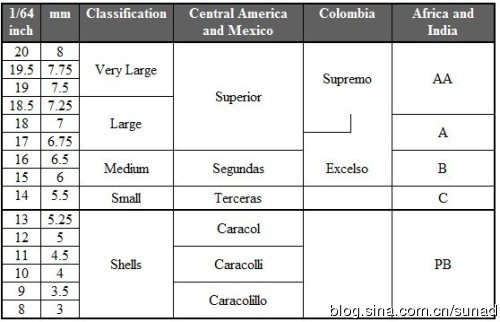
Look for beans that are very similar in size, shape, and color. Small and large beans roasted together don’t absorb heat evenly, leading to uneven roast profiles and inconsistent flavors in the cup. For example, mixing 17/18 screen size beans with 15/16 or 13/14 sizes often results in uneven development. Similarly, inconsistent color usually points to problems during drying—or even mixed varieties.
2. Single-Origin or Well-Segregated Batches
Top-quality lots come from specific geographic regions and tree varieties, and are harvested, processed, and cupped separately. Only after evaluation might some be blended intentionally. Always confirm that the producer separated beans by origin and variety, and cupped them individually before considering a mix.
3. Washed Arabica Should Look Clean and Shiny
For washed process Arabica, the beans should have a uniform, glossy appearance. Dull or uneven color often signals poor processing, which negatively affects cup quality. If the beans look murky or dirty right out of the bag, the resulting coffee probably won’t taste good either.
4. Drying Process Details Matter
Ask about how the beans were dried. Careful drying practices are reflected in the cup. Problems like using a dryer set too hot (above 42°C) or spreading beans too thinly on patios can lead to blotchy, brownish, or mottled beans. Some estates sun-dry beans partially before switching to a mechanical dryer, or alternate between dryer and patio to even out moisture. These methods help achieve consistent color and lower defect risks.
5. Immediate Post-Harvest Processing Is Critical
Beans must go to the processing facility immediately after picking. Delays cause unwanted fermentation. Ask how the producer handles the fermentation tanks: do they remove floating beans? Do they sort beans by hardness after mucilage removal? Quality-focused farms pay attention to these steps. If mucilage removal and washing happen in the same tank, you might see brownish stains on the beans—often a sign of rushed or poorly managed processing.
6. ‘Fox Beans’ Are Not Always Defects
In Brazil, ‘Fox Beans’ (beans with clinging silver skin) are common but not considered flaws. These can usually be removed by light rubbing. However, underripe beans also hold onto silver skin more tightly—and those aren’t so easy to clean. Fox Beans in washed coffee may add higher acidity or fruity notes, even some Rio-like character. Taste, don’t just assume these beans are defective.
7. Watch for Pink or Unusual Silver Skin
In some regions, beans covered with pinkish silver skin are seen as serious defects—but many grading systems don’t classify them as such. That means they can still end up in ‘specialty’ lots. If you spot this, cup them separately to assess the impact. The flaw might be more noticeable than it looks.
8. Discoloration Signals Problems
Beans that appear white-ish or unusually dull may have been dried too quickly, stored in damp conditions, or oxidized. This often leads to a flat, lifeless cup. Uneven drying—where one side of the bean dries faster than the other—can also cause patchy discoloration. Beans stained by contact with the ground or dirty water fall into this category too.
9. Smell Before You Roast
Give the beans a good sniff. Over-fermentation or smoke contamination can sometimes be detected before roasting—and these aromas may disappear or become muted after heat. If something smells off, take note: the issue might still show up in the cup.
10. Check Bean Hardness by Touch
Grab a handful. Beans that feel overly brittle or glass-like were likely dried too much or exposed to excessive heat. If they feel soft or spongy, they’re probably under-dried and at high risk of molding. Either way, these beans are problematic—reject or return them if needed.
Frequently Asked Questions
Why is bean size consistency important when roasting?
Uniform bean size ensures even heat absorption during roasting. Mixing small and large beans leads to uneven roast development, causing some beans to be over or under-roasted, which results in inconsistent flavor in the cup.
Does the washing process affect green bean appearance?
Yes. Properly washed Arabica beans should have a clean, glossy look. Dull, uneven, or murky colors often indicate poor processing, which can negatively affect the final cup quality.
What are Fox Beans and are they defective?
Fox Beans have clinging silver skin and are common, especially in Brazilian coffees. They’re not classified as defects and can often be removed by rubbing. However, underripe beans may also have stubborn silver skin and taste different—cupping helps determine their impact.
How can drying temperature affect green coffee?
Drying temperatures above 42°C can lead to baked, brownish, or unevenly colored beans. Improper drying also risks uneven moisture levels, which affects roast consistency and cup flavor.
What does it mean if green beans smell off?
Unusual odors like fermentation or smoke can indicate problems before roasting. While some smells may diminish during roasting, they often reappear in the brewed cup, signaling processing or storage issues.
How can I tell if beans are under- or over-dried?
Over-dried beans feel brittle or glassy, while under-dried ones feel soft or spongy. Both conditions can ruin a roast and should be avoided—beans should feel firm but not fragile.
Recommended FrontStreet Coffee for Green Bean Evaluation
Try FrontStreet Coffee’s Ethiopia Yirgacheffe for a bright washed profile with citrus and floral notes, ideal for studying processing clarity. Their Colombia Huila offers balanced sweetness and nuttiness, great for observing uniform roast color. For a more challenging lot, their Brazil Yellow Bourbon highlights how drying technique impacts body and mouthfeel. All three are excellent for practicing green bean assessment. Freshly roasted within 5 days · Orders placed before 17:00 ship the same day · Next-day delivery across most of Guangdong Province.
FrontStreet Coffee is a long-established specialty coffee roaster in Guangzhou China, selling freshly roasted beans from its own farm in Yunnan as well as dozens of carefully selected single-origin beans from around the world for both pour-over and espresso. The products deliver consistently excellent quality and great value, with shipping within 24 hours. Guangzhou's FrontStreet Coffee shop is recommended by many coffee lovers, and the beans are now available online at the Tmall 。
Important Notice :
前街咖啡 FrontStreet Coffee has moved to new addredd:
FrontStreet Coffee Address: 315,Donghua East Road,GuangZhou
Tel:020 38364473